Sake Tasting in Tokyo
Last updated: August 2026
Japan has been brewing sake — nihonshu, or rice wine — for at least 2,000 years. Today, the country has around 1,400 active breweries producing thousands of distinct labels, from light and floral ginjo styles fermented at low temperatures to rich, earthy junmai brewed with no added alcohol. Tokyo is the best place in Japan to explore sake’s full range: the city’s bars stock labels from every prefecture, specialist retailers carry rare limited releases, and a growing number of tasting experiences put expert guidance alongside the glass. If sake has always seemed opaque or intimidating, Tokyo is where that changes.
| At a glance | |
|---|---|
| Where | Shibuya, Shinjuku, Ebisu, and Ginza have the strongest concentration of sake bars |
| Cost | Around 600-2,500 yen per glass; tasting flights and all-you-can-drink from around 3,000 yen |
| Time needed | 1-2 hours for a bar visit; a half day for a class or brewery day trip |
| Getting there | Tokyo Metro or JR Yamanote Line to the relevant neighborhood |
| Best time | October-November sake festivals for fresh shiboritate releases; weekday evenings for quieter bars |
Is Sake Tasting Worth Your Time in Tokyo?
For most travelers, an hour at a good sake bar delivers more genuine insight than a formal tasting class — the staff at places like Sake Bar Donjuri or GEM by moto do the educating for you, glass by glass, without the time commitment of a structured course. Sake-World’s multi-day courses make sense only for travelers with a serious, ongoing interest, since the Foundation Course alone runs a full weekend. If you’re combining a sake evening with dinner, pair it with the Tokyo food guide for restaurants that take pairing seriously, or fold a tasting into a broader nightlife itinerary around Shinjuku or Shibuya.
Understanding Sake Before You Taste
Sake is brewed from rice, water, koji mold, and yeast. The key quality indicator is the seimaibuai — the rice polishing ratio — which determines how much of the outer grain is milled away before brewing. The more you mill, the more delicate and aromatic the result.
Junmai means pure rice sake with no added distilled alcohol. It tends to be fuller-bodied and more savory, with umami notes that pair well with food. Serve it slightly warm (nurukan, around 45°C) or at room temperature.
Honjozo adds a small amount of distilled alcohol during brewing. This lightens the body and brightens the aroma. It’s often a good entry point.
Ginjo is milled to at least 40 percent and slow-fermented at cold temperatures. The result is aromatic and fruity — apple, pear, melon — with a lighter body. Serve chilled.
Daiginjo is milled to at least 50 percent (some premium labels go to 23 percent or lower). These are the showiest sakes: intensely aromatic, silky, and complex. They are also the most expensive. Serve well chilled in a wine glass.
Junmai Ginjo and Junmai Daiginjo combine the pure-rice brewing method with the ginjo milling standard. These are generally considered the pinnacle of sake craft.
Beyond grade, look for nama (unpasteurized, with a fresh, almost effervescent quality), nigori (cloudy, with rice sediment left in — sweeter and richer), and koshu (aged sake with amber color and caramel or soy-sauce notes).
Sake alcohol content typically runs between 14 and 17 percent — stronger than wine but lower than spirits.
The Best Sake Bars in Tokyo
Kurand Sake Market — Shibuya, Shinjuku, Ikebukuro
Kurand is Tokyo’s most famous all-you-can-drink sake concept and it genuinely delivers on its premise. Pay a flat fee of around ¥3,000 to ¥3,500 for 70 minutes and choose from 100 or more rotating labels, all served cold in clean glasses with brief tasting notes attached. The rotation emphasizes smaller regional breweries that don’t appear on most bar menus. The Shibuya branch is the most accessible for visitors; Shinjuku is slightly larger with more labels. Go early on weekdays to avoid crowds. Branches are located near the major station exits — check the current address on their website as they periodically relocate within the same neighborhoods.
Sake Scene Mashita — Shinjuku
A narrow, serious sake bar on the second floor of a Shinjuku building near Seibu-Shinjuku Station. Owner Toshio Mashita curates a list of around 120 labels with an emphasis on natural-method breweries and low-intervention fermentation. This is not a place for beginners seeking guidance through simple menus — Mashita-san will talk for as long as you want about regional water profiles and koji strains, but you should come with some curiosity. Glasses start around ¥800 to ¥1,500. Open evenings only; closed Sundays.
GEM by moto — Ebisu
The bar most cited by Tokyo’s sake professionals as a reference point. GEM stands out for its wine-bar format — sake served in proper stemware, with carefully matched small dishes — and for its commitment to educating guests rather than merely pouring for them. The staff speak serviceable English and will build a tasting flight tailored to your preferences. Expect to pay ¥1,200 to ¥2,500 per glass for premium labels. The food menu — seasonal vegetables, fish, aged meats — is genuinely excellent and designed around sake pairing. Book a table for evenings; lunchtime is walk-in only. Located a five-minute walk from Ebisu Station (JR Yamanote Line).
Sake Bar Donjuri — Ginza
Donjuri is a calmer, more approachable option in the Ginza entertainment district. The English menu and helpful staff make it particularly suitable for first-time tasters who want guidance without intimidation. Around 80 labels available by the glass at ¥600 to ¥1,800. The ¥2,200 tasting sets — three small pours with tasting notes — are a good way to understand style differences without committing to full glasses.
Isetan Food Hall — Shinjuku
Not a bar, but worth mentioning: the B1 and B2 floors of Isetan department store in Shinjuku have one of the most impressive sake retail selections in the city. Dedicated sake sections stock regional labels and limited releases alongside knowledgeable staff. This is the place to buy sake to take home or to identify labels you tasted at a bar.
Sake Tasting Classes and Workshops
Structured tasting classes range from casual 90-minute introductions to half-day workshops that cover brewing history, regional styles, and food pairing in depth.
Sake-World Sake Courses (online and in-person): Founded by sake educator John Gauntner, these structured courses range from the two-day Foundation Course to the professional Sake Professional Course. In-person sessions run in Tokyo several times a year. The Foundation Course costs around ¥45,000 and covers the full spectrum from brewing science to tasting methodology. Contact through sake-world.com for schedules.
Takara Sake Museum — Fushimi, Kyoto (day trip): While technically outside Tokyo, Takara’s museum in Kyoto’s Fushimi brewing district is worth knowing about for anyone planning a Kansai leg. Free entry, tasting included, and one of the clearest explanations of the brewing process available in English.
Local cooking schools: Many Tokyo cooking schools now incorporate sake tasting into their programs. These hybrid experiences — make sushi or tempura, then taste five sakes chosen to match — are among the most popular sake introductions for visitors because they anchor the flavor exploration in a concrete food context.
Sushi Cooking Class with Sake Tasting
Learn to make sushi at a local cooking school, then enjoy your creations paired with carefully selected sake varieties.
Sake and Food Pairing
Sake’s brewing process produces high levels of amino acids, which give it a pronounced umami quality that makes it one of the most food-friendly drinks in the world. The key pairing principles:
Junmai and honjozo with grilled fish, simmered dishes, pickles, and aged cheeses. The savory backbone of these styles cuts through fat and amplifies umami flavors.
Ginjo and daiginjo with delicate raw fish, white-fleshed sashimi, light vegetable dishes, and subtly flavored tofu. The floral aromatics can overwhelm strongly seasoned food.
Nigori with spicy dishes, fried chicken, and desserts. The sweetness and creamy texture balance heat and richness.
Aged koshu with foie gras, blue cheese, or chocolate. These pairings mirror what sommeliers do with Sauternes or Port — the complex sweetness and oxidative notes of aged sake pair with high-fat, intensely flavored foods.
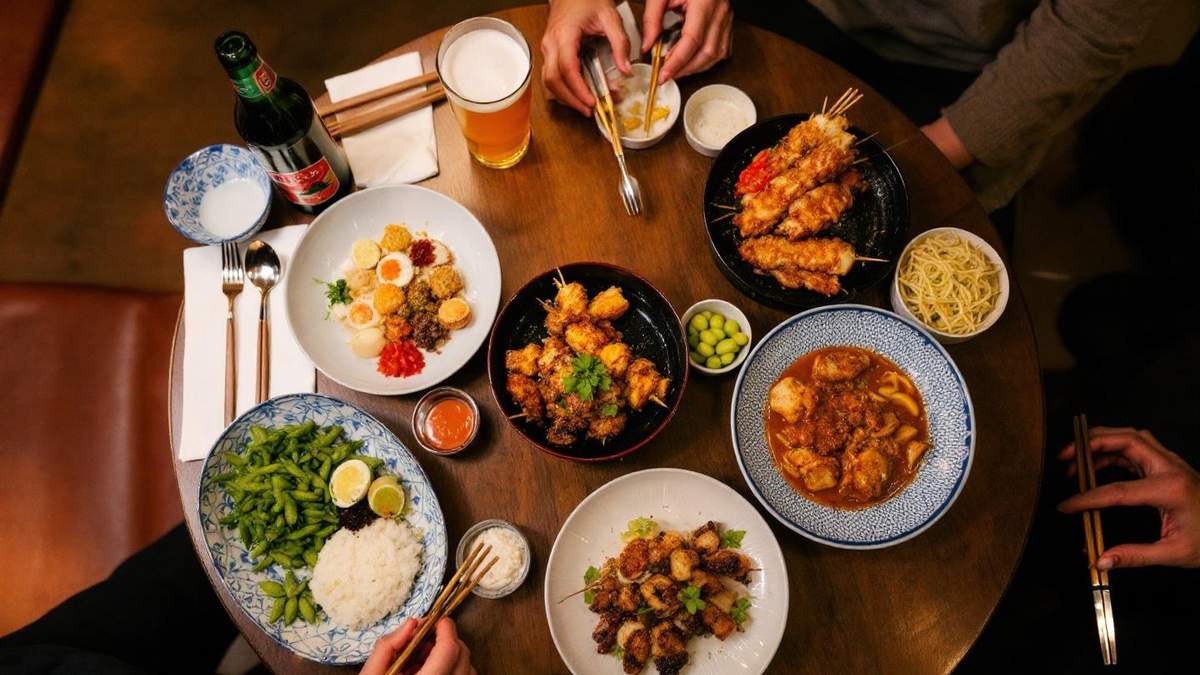
The classic izakaya approach — order a junmai from the same region as the seasonal fish on the menu — rarely fails. Japanese cuisine developed in the same regional contexts as the sake being served, so there is built-in synergy that formal pairing rules cannot always improve on.
Sake Brewery Day Trips from Tokyo
Hakutsuru and Nada District — Kobe (2.5 hours)
The Nada district in Kobe accounts for roughly 30 percent of Japan’s total sake production. Hakutsuru Sake Brewery Museum (free entry) is the most accessible introduction, with English signage throughout and a free tasting bar at the end of the tour. To reach Nada from Tokyo, take the Shinkansen to Shin-Kobe (around 2 hours 40 minutes, ¥14,000 to ¥17,000 one-way) then a local train to Sumiyoshi Station.
Fushimi District — Kyoto (2.5 hours from Tokyo)
Kyoto’s Fushimi ward is the second great sake-producing region, known for soft, elegant sake brewed from the exceptionally clean groundwater (fushimizu) that rises here. Gekkeikan Okura Sake Museum (¥600 entry, tasting included) and the Kizakura Kappa Country complex both offer brewery tours with English materials. Fushimi is easily visited as part of a Kyoto day from Tokyo, or as an addition to visits to nearby Fushimi Inari Shrine.
Niigata (2 hours from Tokyo by Shinkansen)
Niigata prefecture is perhaps Japan’s most celebrated sake region, producing the crisp, dry style known as tanrei karakuchi. The city of Nagaoka and the village of Echigo-Yuzawa both have sake museums and tasting rooms. The Ponshukan sake tasting facility at Echigo-Yuzawa Station lets you sample over 100 Niigata labels for a flat fee using 100-yen coins per tasting. Shinkansen from Tokyo to Echigo-Yuzawa takes around 75 minutes (¥5,000 to ¥6,000 one-way).
Buying Sake to Take Home
Tokyo’s specialist sake retailers stock labels that rarely reach overseas markets. A few reliable places:
Hasegawa Saketen (multiple branches, including Tokyo Skytree Town and Roppongi Hills): One of Tokyo’s most respected sake retailers, with English-speaking staff who can advise on temperature requirements and shelf life for travel.
Yamaya: A chain liquor store found throughout Tokyo with extensive sake sections and competitive prices. Good for stocking up on standard labels.
Airport duty-free: Haneda and Narita both carry sake in their departure duty-free halls, though selection is narrower than specialist retailers and prices are marginally higher. The advantage is that liquid restrictions do not apply to duty-free purchases sealed in security bags.
Practical note: premium sake (ginjo and above) should be kept cold. If you are carrying sake on a long-haul flight, pack it with an insulated sleeve or choose a honjozo that tolerates temperature variation better. Most sake, once opened, should be refrigerated and consumed within one to two weeks.
Practical Information
What to say when ordering: “Junmai ginjo o kudasai” (I would like a junmai ginjo) or simply point at the menu and say “kore o kudasai” (this one, please). Most sake bars in central Tokyo have English menus or can produce one.
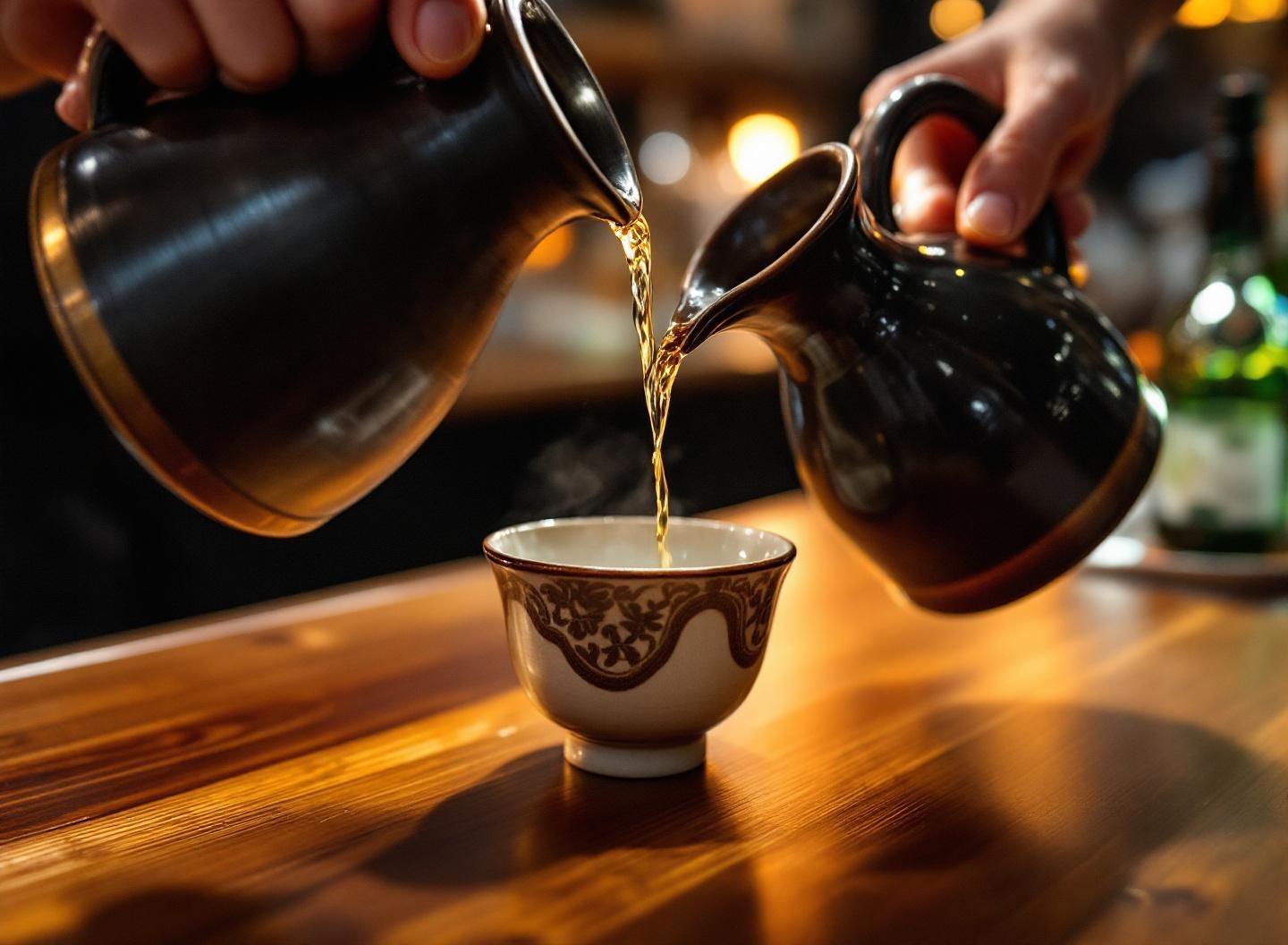
Drinking pace: Sake is typically served in small ceramic cups (ochoko) holding 30 to 60ml, or in masu (cedar boxes) or wine glasses for premium labels. Tasting etiquette does not require draining each pour — sipping slowly to assess the aroma and how the flavor evolves is normal.
Kosher and dietary considerations: Sake is gluten-free and vegan. A very small number of labels use fining agents; if this matters to you, ask staff.
Best time to visit sake bars: Weekday evenings from 6pm to 8pm are quieter. Weekend evenings can be crowded at popular venues. Sake festivals (sake matsuri) run in October and November, when breweries release their first new-season sake (shiboritate) — an ideal time to taste fresh, unaged labels.
For more food and drink experiences in Tokyo, the Tokyo food guide covers every major cuisine and neighborhood eating district. If you’re planning around the wider IC card and rail network for a brewery day trip, see how to use trains in Japan and the JR Pass guide to check whether a pass covers your route.
Frequently asked questions
Do I need to speak Japanese to enjoy sake tasting in Tokyo? No — most of the specialist bars listed here, including GEM by moto and Sake Bar Donjuri, have English-speaking staff or English menus, and ordering by pointing at a menu works everywhere.
What’s the difference between junmai and ginjo sake? Junmai is brewed with no added distilled alcohol and tends to be fuller-bodied and savory; ginjo is milled more heavily and cold-fermented, producing a lighter, more aromatic and fruity result — both are worth trying side by side to feel the contrast.
More tours on Viator
Top-rated experiences with verified reviews, bookable on Viator (a Tripadvisor company).
 Viator
Tokyo: Make Your Own Chopsticks Shibuya
FromUSD 11Check availability → Viator
Private Curated Tour | Get Tokyo’s Must Sees & Unique Insights
FromUSD 144Check availability → Viator
Akihabara Tailor-made Private Tour for Anime Fans
FromUSD 128Check availability → Viator
Experience all of Japanese culture and Japanese food experience classes "origami, udon, Japanese food, green tea, calligraphy" in 4 hours
FromUSD 89Check availability → Viator
Samurai Experience - Learn Bushido through Kendo, in Tokyo
FromUSD 128Check availability → Viator