Tokyo Nightlife Guide
Last updated: August 2026
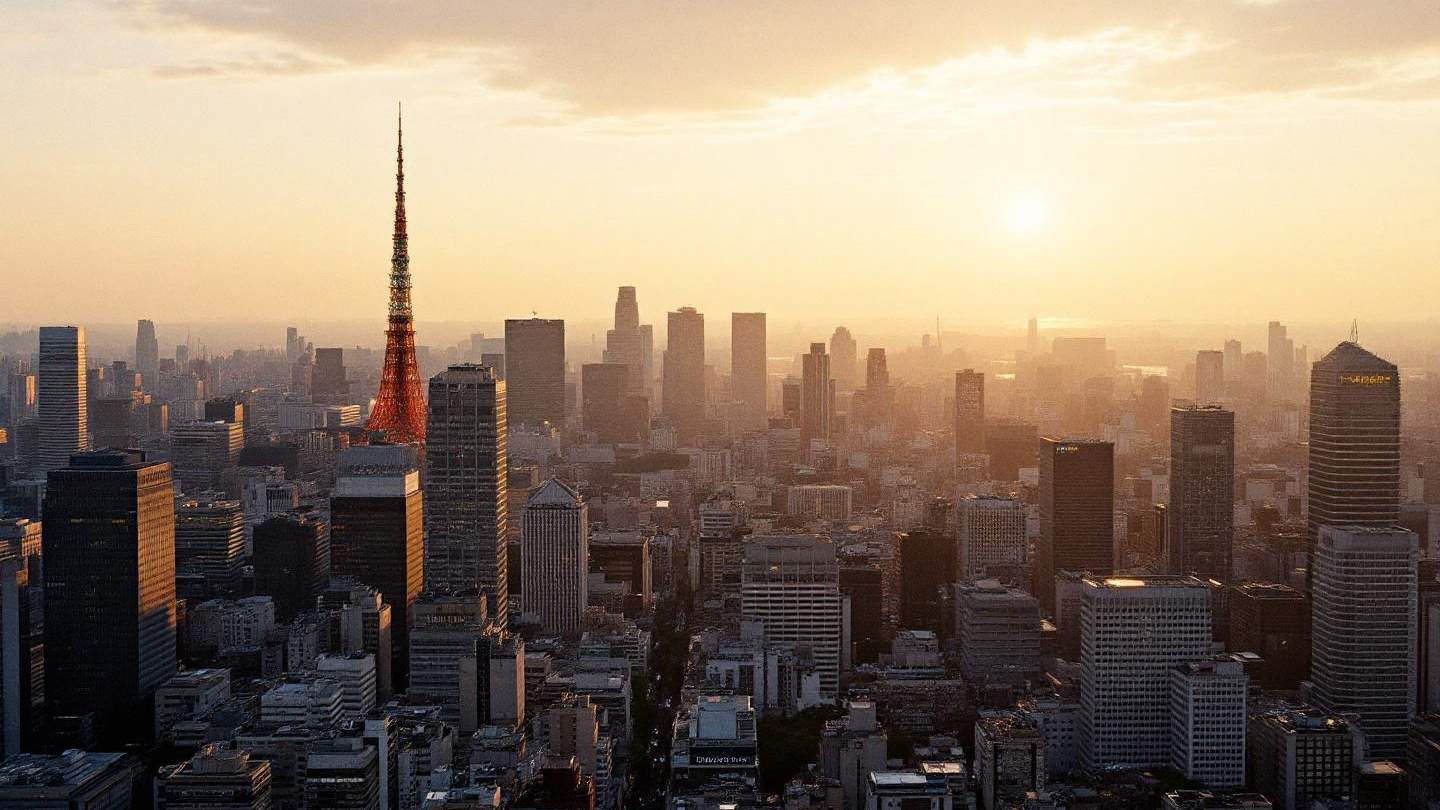
Tokyo comes alive after dark in a way that few cities on earth can match. The moment the salarymen loosen their ties and the neon signs flicker on, the city shifts into a completely different register. You have your choice of 6-seat bars so intimate the bartender knows your name by the second round, towering entertainment complexes with karaoke on floor four and a jazz club on floor seven, or open-air izakayas where skewers of yakitori arrive faster than you can finish your beer.
Tokyo’s nightlife is not concentrated in a single district — it sprawls across dozens of neighborhoods, each with its own personality, price range, and crowd. This guide cuts through the sprawl and tells you exactly where to go, what to expect, and how much it will cost.
| At a glance | |
|---|---|
| Where | Golden Gai/Shinjuku, Shibuya, Roppongi, Shimokitazawa |
| Cost | Around 700–2,500 yen per drink; nomihodai packages 1,500–2,500 yen |
| Time needed | A single evening covers one district well; a week lets you sample several |
| Getting there | Tokyo Metro or JR Yamanote Line to the relevant station; last trains around midnight |
| Best time | Weeknights for a calmer scene, Friday/Saturday for peak energy |
Choosing a District for Your Night
Each of Tokyo’s nightlife districts has a distinct personality, and picking the right one matters more than picking the right bar. Golden Gai suits travelers who want an intimate, conversation-driven evening and don’t mind small spaces. Shibuya and Roppongi suit larger groups who want energy, music, and later closing times. Shimokitazawa suits anyone tired of tourist-facing spots and craving something more local. If you’re staying near Shinjuku or another Tokyo neighborhood, picking a nightlife district close to your hotel saves a costly taxi home after the last train.
Golden Gai, Shinjuku
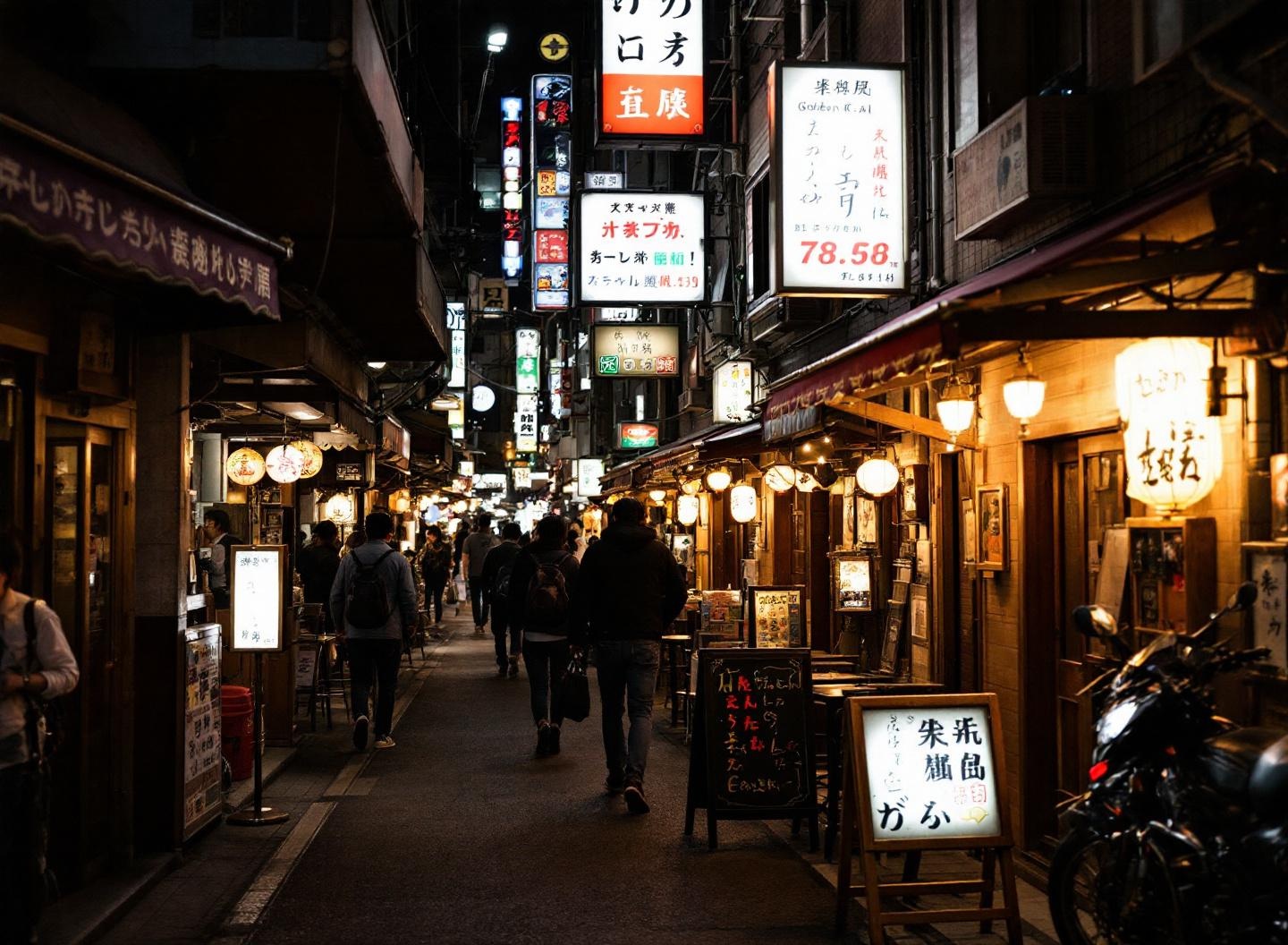
No introduction to Tokyo nightlife is complete without Golden Gai. Tucked into the northeast corner of Kabukicho, this cluster of six narrow alleys holds roughly 200 tiny bars packed into a footprint the size of a city block. The buildings are two-story wooden structures that somehow survived both wartime destruction and postwar redevelopment, and each bar is themed — one might specialize in film noir, another in 1970s Japanese folk music, another in absurdist taxidermy. Most seats just six to eight people.
The atmosphere is unlike anything else in Tokyo. You sit elbow-to-elbow with strangers who quickly become temporary friends, and the master or mistress behind the bar is usually the owner, the curator, and the conversation starter all in one.
Practical notes for Golden Gai:
Most bars charge a cover fee (seat charge) of between 500 and 1,000 yen per person. This is completely standard and not negotiable. In return you usually receive a small snack — peanuts, a slice of dried squid, or pickled vegetables. Drinks run from about 700 yen for a beer to 1,500 yen for a whisky highball. Budget roughly 3,000 to 4,000 yen for two or three drinks at a single bar.
The alleys are open to the street, so start by walking the full length before committing to anywhere. If a bar’s door is open and the master catches your eye, that is an invitation. If the door is shut, that bar may be a members-only spot and it is polite to move on. Many bars post English signs welcoming tourists; others prefer regulars. Read the room.
Golden Gai is busiest from around 8pm to midnight on weekdays and until 2am or later on weekends. Getting there: take the east exit of Shinjuku Station and walk about eight minutes northeast toward Kabukicho.
Shibuya After Dark
Shibuya is Tokyo’s most viscerally exciting nightlife district, anchored by the famous scramble crossing that becomes a river of humanity after 9pm. The area splits into several distinct zones once you know where to look.
Center-gai is the main pedestrian street running north from the crossing. It is loud, youthful, and unapologetically commercial — takoyaki stalls, arcade game centers, fast fashion, and izakaya chains stacked five floors high. If you want energy and don’t mind crowds, Center-gai delivers. Drinks at the standing izakayas here can be as cheap as 400 yen for a draft beer.
Nonbei Yokocho (Drunkard’s Alley) sits just a few minutes’ walk from the crossing near Shibuya’s north side. It is a narrow lantern-lit lane lined with perhaps 40 small bars and restaurants, some dating back decades. The atmosphere is noticeably mellower than Center-gai — older clientele, craft cocktails, a good number of wine bars. Expect to pay 800 to 1,500 yen per drink. This is a better choice if you want a relaxed evening without fighting through crowds.
Rooftop bars are a Shibuya specialty. Several department stores and mixed-use buildings have rooftop terraces with views over the crossing and the city beyond. The Scramble Square building at 47 and 49 floors above street level offers panoramic views; there is an observation deck (fee applies) as well as a rooftop bar area. Drinks here run 1,500 to 2,500 yen, but the view justifies the premium.
Shibuya stays active until the last trains around midnight, then slows before picking back up after 1am when the club crowd takes over. The clubs around the Mark City building and on the back streets near Spain-zaka cater to an 18-to-30 crowd and typically charge 2,000 to 3,500 yen entry including a drink ticket.
Roppongi
Roppongi has a reputation as Tokyo’s international nightlife district, and that reputation is largely accurate. The area around Roppongi Crossing is home to a dense cluster of clubs, live music venues, Irish pubs, and rooftop bars that draw expats, business travelers, tourists, and a significant local crowd seeking a cosmopolitan atmosphere.
The upside of Roppongi: places stay open very late, often until 5am; there is a concentration of higher-end cocktail bars and hotel bars in the nearby Roppongi Hills and Tokyo Midtown developments; and English-language menus are almost universal.
The honest downside: the area around the crossing, particularly along Gaien-Higashi-dori, can attract persistent touts and some bars have a reputation for overcharging. The golden rule is to check the menu and prices before you sit down. If no menu is visible, ask before ordering.
Where to go in Roppongi:
- The bars inside Roppongi Hills and Tokyo Midtown are reliable, well-priced, and require no cover charge. A cocktail at the bar of a Midtown hotel is typically 1,500 to 2,500 yen but the quality is consistent.
- The live jazz scene around Roppongi is genuinely excellent. Venues like Satin Doll and Blue Note Tokyo (technically in Minami-Aoyama, a short walk away) host internationally recognized acts. Blue Note charges 7,000 to 15,000 yen per person depending on the artist, which includes seating; drinks are extra.
- For clubs, Muse and V2 Tokyo are long-established venues with multiple floors and resident DJs. Entry is typically 3,000 yen including one or two drinks.
Getting there: Roppongi Station on the Hibiya and Oedo lines puts you in the center of everything.
Shimokitazawa
If Roppongi is Tokyo’s international id, Shimokitazawa is its creative soul. This neighborhood in Setagaya ward has been a hub for independent music, theatre, and vintage culture for decades, and its bar scene reflects that identity perfectly.
The streets around the north and south exits of Shimokitazawa Station (on the Keio Inokashira and Odakyu lines) are lined with vinyl record shops, live music venues, curry houses, and bars that open around 7pm and close whenever the last person feels like leaving. The crowd skews late 20s to early 40s, heavily local, with a scattering of foreign residents who have discovered the neighborhood.
Craft beer has taken root in Shimokitazawa particularly well. Several bottle shops double as taprooms, serving rotating Japanese craft ales and IPAs at around 1,000 to 1,500 yen per pint. This is a meaningful step above the ubiquitous lager of most izakayas.
Live music is the neighborhood’s signature offering. Small venues — capacity 50 to 200 — host original acts every night of the week. Entry is typically 1,500 to 3,000 yen including one drink. The music ranges from indie folk to electronic to post-rock. Checking what is on at venues like Shimokitazawa THREE, Shelter, or Club Que before you arrive is worthwhile.
Shimokitazawa is genuinely unpretentious in a way that is increasingly rare in central Tokyo. Nobody is dressed to impress. The bars are small, the prices are fair (700 to 1,200 yen per drink at most places), and conversations with strangers start easily.
Izakaya Culture
The izakaya is the backbone of Japanese social drinking culture — a cross between a pub and a tapas bar, where ordering is communal, food arrives continuously, and leaving after one drink would be considered strange. Understanding how izakayas work unlocks one of the most authentic and affordable nightlife experiences in Tokyo.
How it works: You are seated (usually at a low table with floor cushions, or at a regular table with chairs), given menus for both food and drink, and expected to order as the evening progresses. There is no formal coursing — dishes arrive as they are ready. Most izakayas charge a small otoshi (table charge) of 300 to 500 yen per person, which comes with a small starter. This is standard practice and covers the service; it is not a tip.
Nomihodai (all-you-can-drink packages) are common at chain izakayas and many independent spots. A typical nomihodai package runs 1,500 to 2,500 yen for 90 or 120 minutes and covers draft beer, shochu highballs, sake, soft drinks, and sometimes wine. Quality varies, but for a group evening on a budget, it is excellent value. Ask for the “nomihodai menu” when you sit down.
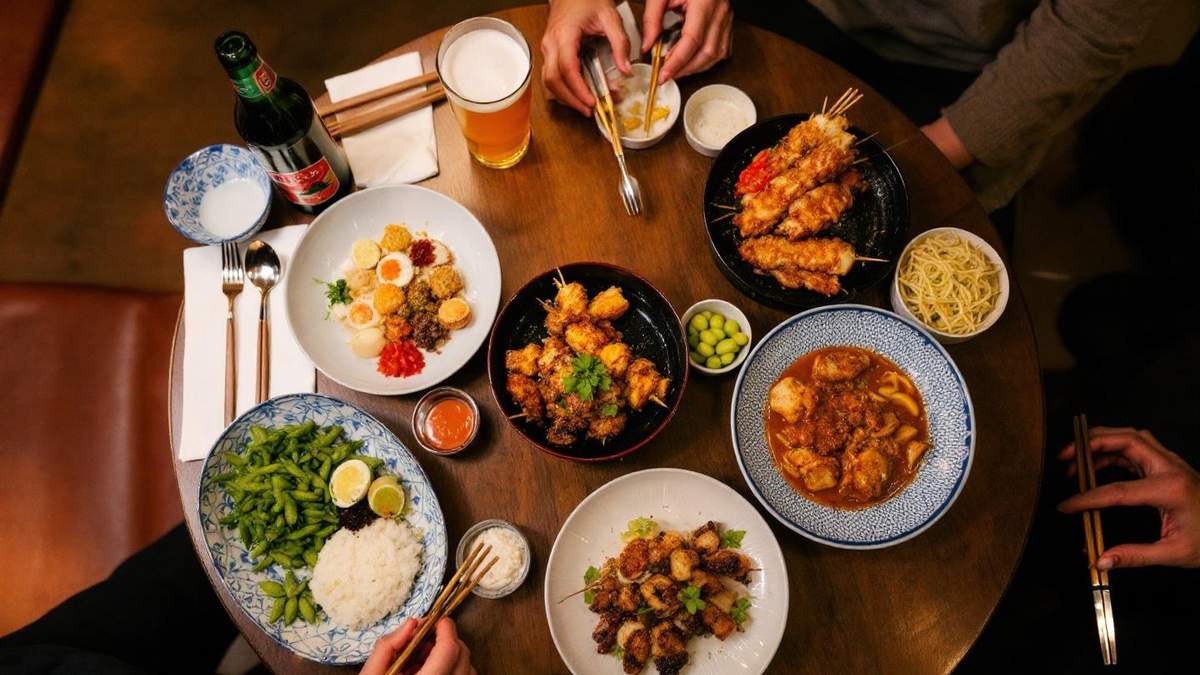
What to order to eat: yakitori (grilled skewers, 120 to 300 yen each), edamame, karaage (fried chicken), dashimaki tamago (rolled omelette), gyoza, and tofu dishes are all izakaya staples. A satisfying meal and four drinks per person typically costs 3,000 to 5,000 yen.
Where to find good izakayas: Yurakucho, just west of Tokyo Station under the old rail viaduct, is lined with some of the city’s most atmospheric izakayas — smoky, loud, and packed with after-work crowds from 6pm onward. Shinjuku’s Omoide Yokocho (Memory Lane) is tourist-facing but genuinely good — a narrow alley of yakitori stalls where the smoke hangs in the air and the charcoal glows orange. Expect to pay a slight premium there (200 to 400 yen per skewer) but the setting is worth it.
Karaoke
Karaoke in Tokyo is nothing like the Western open-mic version. In Japan, you book a private room for your group, receive a tablet with a catalog of tens of thousands of songs in Japanese and English, order food and drinks through a room phone or tablet, and sing entirely for each other. There is no audience, no judgment, and no limit on how many times you can attempt the same Bon Jovi song.
How booking works: Walk into any karaoke venue (they are in almost every entertainment district), tell the front desk your group size and how many hours you want, and you are shown to a room. No reservation is usually needed, though popular venues on Friday and Saturday nights can have waits of 30 to 60 minutes after midnight.
The main chains:
- Big Echo — the largest chain in Tokyo, reliable quality, English interface available, rooms for 2 to 20 people.
- Karaoke Kan — perhaps the best-known chain among tourists, with a branch in Shibuya that appeared in Lost in Translation. Slightly higher prices but clean facilities.
- Joysound — popular with younger Japanese customers, excellent song catalog.
Costs: Daytime sessions (before 6pm or 7pm) run about 400 to 700 yen per person per hour. Evening rates climb to 700 to 1,200 yen per person per hour. The best value is the late-night package (often called “free time” or “midnight pack”), available after midnight and running until 5am for a flat fee of around 1,500 to 2,500 yen per person — unlimited time, with food and drink ordered separately. Drinks are billed per item, typically 500 to 800 yen.
Practical tip: Bring a coin purse. Most venues add a small “room charge” per person on top of the hourly rate, and drinks are tallied separately. Your bill is settled when you leave, not per order.
Guided Night Tours
The most efficient way to navigate Tokyo’s nightlife — particularly if you have limited time or want to go beyond the obvious spots — is to join a guided evening tour. A good night tour takes you to places that are genuinely local, explains etiquette before you walk in, and handles any language barrier that might otherwise stop you at the door. The tours below are well-reviewed and cover both food and evening entertainment.
Tokyo Secret Food Walking Tour
A 3-hour culinary adventure through hidden backstreets. Sample sushi, gyoza, and secret local dishes.
Shinjuku Sumo Show
An exciting sumo wrestling show in Shinjuku with retired professional wrestlers. Watch, learn, and step into the ring.
Sumo Show and Dining Experience
Watch a live sumo performance up close, learn about traditions, and enjoy dinner with retired wrestlers.
Late-Night Eating
Tokyo’s 24-hour food culture is one of the best arguments for staying out past midnight. Once the trains stop around midnight, the city’s all-night restaurants come into their own.
Ramen at 2am is a Tokyo institution. The best ramen shops in areas like Shinjuku, Shibuya, and Ikebukuro keep their kitchens running until 3am, 4am, or around the clock. A bowl of tonkotsu or shoyu ramen with chashu pork and a soft egg costs 900 to 1,500 yen and serves as both ballast and comfort. Fuunji in Shinjuku (tsukemen specialist, dipping ramen) is one of the most respected late-night options; Ichiran’s 24-hour branches offer solo booth seating for those who prefer to eat in contemplative silence.
Tsukemen — thick noodles served separately from a concentrated dipping broth — is particularly satisfying after a night of drinking. The flavor is intense and the portion sizes are generous. Most tsukemen shops that stay open late post their hours outside; look for the sign showing “24時間営業” (24-hour operation).
24-hour family restaurants (famiresu) like Denny’s Japan, Jonathan’s, and Royal Host serve full meals including pasta, grilled fish, and breakfast sets at any hour. These are not glamorous but they are reliable, well-lit, and have picture menus. Prices are modest — a full meal with a drink runs 1,200 to 2,000 yen.
Convenience stores (konbini) deserve a mention that goes beyond convenience. Seven-Eleven, FamilyMart, and Lawson all stock fresh onigiri, sandwiches, hot foods (oden, steamed buns, fried chicken), noodles, and a surprisingly capable selection of wines and craft beers. A satisfying 2am convenience store meal costs 500 to 1,000 yen and the quality genuinely impresses first-time visitors.
Safety and Practical Tips
Tokyo is one of the safest major cities in the world for nightlife. Violent crime is rare, the streets are well-lit, and the general social contract is one of mutual non-interference. That said, a few practical points will make your night run more smoothly.
Last train times: Tokyo’s subway and commuter rail networks shut down between approximately 12:00am and 1:00am, depending on the line and station. Check the last train time for your specific line before you head out — the Jorudan or Google Maps apps will show the last departure. Missing the last train does not ruin your evening, but it does change your budget.
Getting home after the last train: Taxis are available across the city at all hours but are expensive. A taxi from Shibuya to a hotel in Shinjuku costs roughly 1,500 to 2,500 yen; from Roppongi to central Tokyo, 2,000 to 4,000 yen. Ride-hailing apps (Uber, GO) work in Tokyo and are often slightly cheaper than flagging a cab. Alternatively, night buses run on limited routes. A third option is to simply wait it out — trains restart around 5:00am and many 24-hour restaurants and karaoke venues are designed precisely for this.
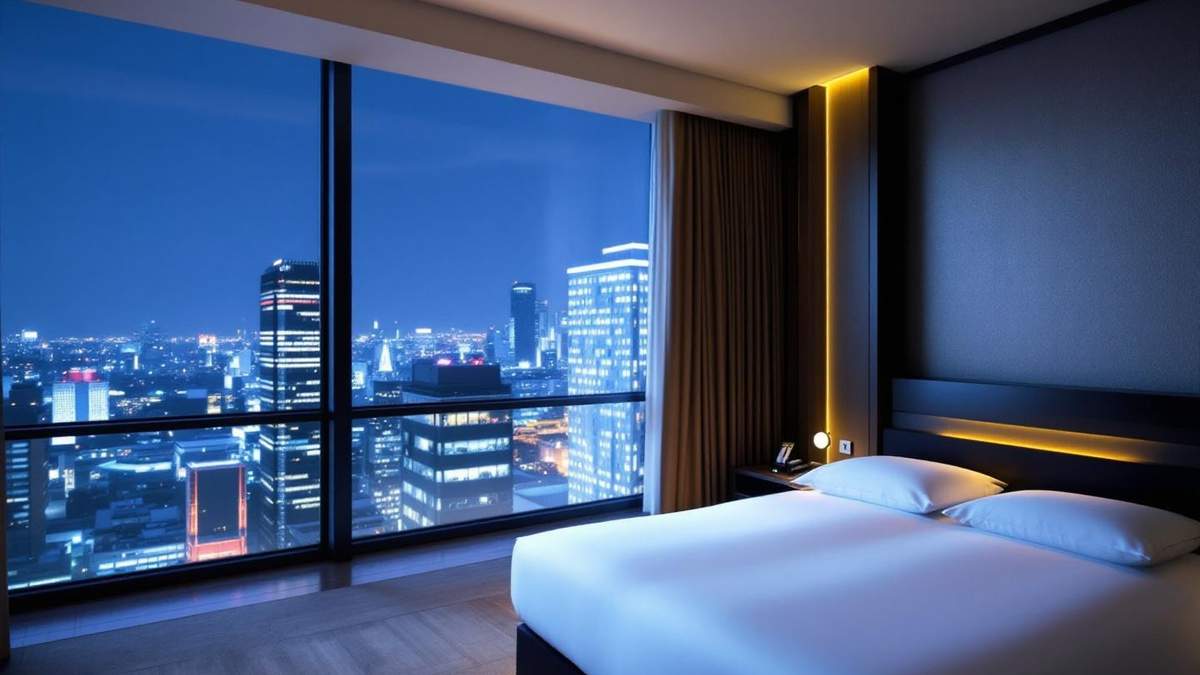
Capsule hotels near major entertainment districts (Shinjuku, Shibuya, Akihabara) accept walk-ins for same-night stays, typically from midnight onward, at rates of 3,000 to 5,000 yen. This is a legitimate and surprisingly comfortable solution if you miss your last train or simply want to stay out until dawn.
Drink safety: Drink-spiking is not a common problem in Tokyo, but it is not unheard of in higher-end clubs in Roppongi. The same common-sense rules apply as anywhere in the world: do not leave your drink unattended, do not accept drinks from strangers in clubs you do not know, and go out with at least one person you trust.
Tipping: Do not tip in Japan. Tipping is not part of the culture and in some contexts can cause genuine awkwardness. The service charge, if any, is already included in your bill. Simply pay what you owe and say “oishikatta desu” (it was delicious) or “tanoshikatta” (it was fun) as you leave — that is all the appreciation that is expected or needed.
Dress code: Tokyo nightlife is generally smart-casual unless you are aiming for a high-end hotel bar or a specific club with a stated dress code. Clean sneakers, dark jeans, and a collared shirt will get you into virtually anywhere. Very few venues in Tokyo will turn you away for what you are wearing unless you show up in beachwear.
For a broader overview of how to spend your days before the night begins, see the guide to Best Things to Do in Tokyo. For food recommendations that pair with an evening out, the Tokyo Food Guide covers the full picture from morning to midnight.
If you’re building a multi-day plan, see Tokyo in 3 days for how to fit a night out without wrecking the next morning, and the Kyoto vs Tokyo comparison if nightlife is a factor in choosing a base city.
Frequently asked questions
Is Golden Gai worth visiting if I don’t drink much? Yes, in moderation — most bars expect at least one drink alongside the seat charge, but a single beer and 30-45 minutes soaking up the atmosphere is a completely normal visit.
What time do bars and izakayas close in Tokyo? It varies widely: Golden Gai bars often run until 2am or later on weekends, Roppongi clubs and some izakaya stay open until 5am, while more local spots in Shimokitazawa may close whenever the last guest leaves.
More tours on Viator
Top-rated experiences with verified reviews, bookable on Viator (a Tripadvisor company).
 Viator
Tokyo: Make Your Own Chopsticks Shibuya
FromUSD 11Check availability → Viator
Private Curated Tour | Get Tokyo’s Must Sees & Unique Insights
FromUSD 144Check availability → Viator
Akihabara Tailor-made Private Tour for Anime Fans
FromUSD 128Check availability → Viator
Experience all of Japanese culture and Japanese food experience classes "origami, udon, Japanese food, green tea, calligraphy" in 4 hours
FromUSD 89Check availability → Viator
Samurai Experience - Learn Bushido through Kendo, in Tokyo
FromUSD 128Check availability → Viator