Japan Ryokan Guide
Last updated: August 2026
A ryokan is a traditional Japanese inn — a lodging format that has operated in essentially the same form for over a thousand years. Staying at a ryokan is one of the most complete single experiences available to a traveler in Japan: from the moment of arrival, the environment, the food, the bath, the sleeping arrangements, and the rhythms of the day are entirely structured around a distinctly Japanese idea of hospitality and rest. For many visitors, a single night at a good ryokan recalibrates their understanding of what accommodation can be.
This guide covers everything you need to know before booking: what a ryokan experience actually consists of, the etiquette you need to observe, how to read the price categories, which regions are best, and how to book confidently as an international traveler.
At a glance
| Where | Best value outside major cities — Hakone, Kinosaki, Kurokawa, Gero; a handful of good ryokan also exist within Kyoto and Tokyo |
| Cost | Roughly 8,000-15,000 yen budget, 15,000-30,000 yen mid-range, 30,000 yen+ luxury, per person per night, usually with two meals included |
| Time needed | One night is workable; two nights lets you actually settle into the rhythm without rushing |
| Getting there | Most onsen towns are 60-150 minutes by train or limited express from a major hub — check the regional section below before booking |
| Best time | Any season works; spring and autumn add scenery but also raise weekend prices — book midweek for better rates and quieter baths |
What Is a Ryokan?
A ryokan (旅館) is a Japanese inn operating under the principles of omotenashi — a form of hospitality that anticipates needs rather than responding to them. Unlike Western hotels, where service is transactional and rooms are designed for independent use, a ryokan is built around a total experience. You are a guest in a household, not a customer in a facility.
The defining elements of a traditional ryokan:
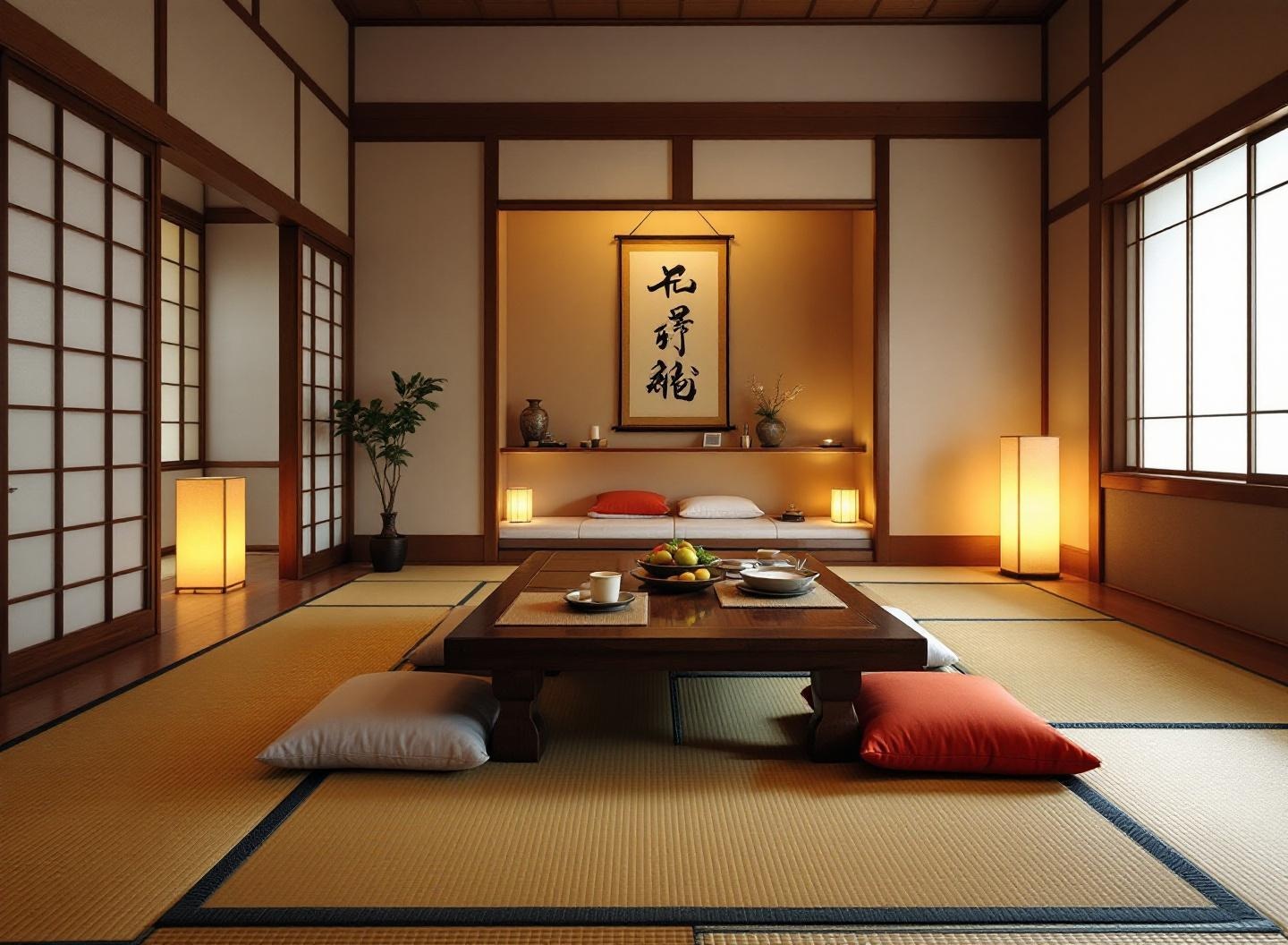
Tatami rooms — Japanese rooms with woven rush-grass flooring and no Western furniture. You sit on cushions (zabuton) at a low table, not on chairs. The floor is a social surface, not just something to walk across.
Futon sleeping — staff make up futons directly on the tatami floor while you are at dinner. The futon is then removed in the morning. This is not a budget compromise; it is the traditional sleeping format, and a quality ryokan futon is extremely comfortable.
Yukata — a light cotton kimono provided in your room, worn for the duration of the stay: to the onsen, to dinner, and in some ryokan to early morning walks in the surrounding area. This is expected, not optional, at traditional establishments.
Kaiseki dinner and Japanese breakfast — most ryokan rates include two meals. Kaiseki is a multi-course seasonal cuisine with ten to fifteen small dishes, served in your room or in a communal dining room. Breakfast is equally elaborate: grilled fish, rice, miso soup, pickles, tamagoyaki, and an assortment of small vegetable dishes. Both meals are often among the best food you will eat in Japan.
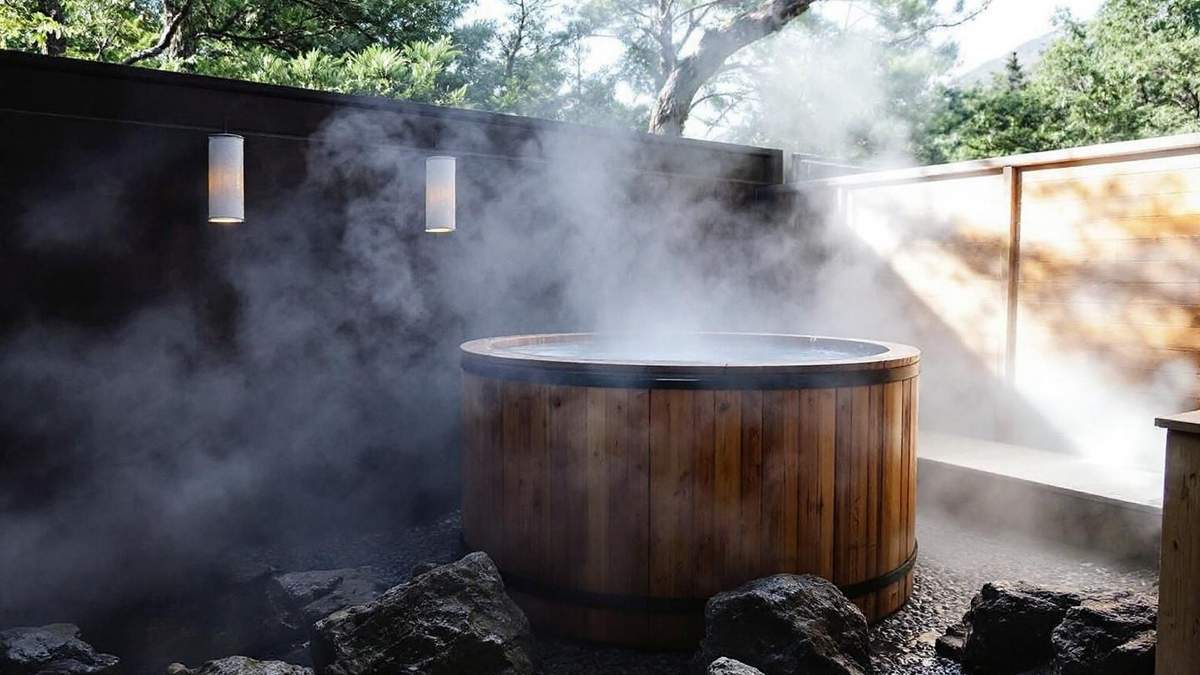
Onsen access — virtually all ryokan outside city centers have onsen (hot spring) bath facilities, either communal segregated baths, private family baths (kashikiri-buro) bookable by the hour, or in-room private baths at higher price points.
The Ryokan Experience, Hour by Hour
Understanding the rhythm of a ryokan stay removes the uncertainty that makes first-time guests hesitant.
Arrival (3:00–6:00pm): Most ryokan request check-in between 3pm and 6pm. On arrival, you remove your shoes at the entrance (genkan) and exchange them for indoor slippers. A staff member — often the same person who will attend to your needs for the stay — leads you to your room with tea and a seasonal sweet already waiting.
Room and orientation (arrival–dinner): Change into your yukata. The hot spring baths are open from arrival. Many guests take their first bath in the late afternoon before dinner — the combination of travel fatigue and a 40–42°C mineral spring is therapeutic. If the ryokan has a garden, the hour before dinner is the right time to walk it.
Dinner (6:00–8:00pm): Dinner time is usually set at booking — most ryokan offer 6pm or 7pm. Kaiseki courses arrive sequentially over 60 to 90 minutes. Sake from local breweries pairs well with kaiseki; most ryokan have a selection. The bill for drinks is settled separately at checkout.
Evening bath: The baths remain open late — typically until 11pm or midnight, and sometimes 24 hours. An evening bath after dinner, when the communal facilities are quieter, is among the most relaxing experiences a ryokan offers.
Futon preparation: While you are at dinner, staff enter your room and transform it from a living space into a sleeping one. The futons are thick, the pillows firm, and the room is at the temperature you requested.
Breakfast (7:30–9:00am): Set time again. Japanese ryokan breakfast is substantial — twelve to fifteen small dishes representing the full range of Japanese morning food. Allow 45 to 60 minutes. This is not a buffet rushed before a departure; it is a meal worth planning your morning around.
Checkout (10:00–11:00am): Most ryokan request checkout by 10am or 11am. Staff often prepare a parting gift — seasonal sweets or a small packet of local tea — which is the final expression of omotenashi.
Ryokan Etiquette
The rules of ryokan behavior are not difficult, but they are specific and matter.
Shoes off immediately. The boundary between outdoor and indoor is sacred in Japanese buildings. Remove shoes at the genkan without being reminded and place them neatly to the side. Slippers are for corridors only — never on tatami. Remove slippers when entering your tatami room and step directly onto the matting in socks or bare feet.
Separate bathroom slippers. Ryokan provide a distinct pair of slippers for the toilet room. Change into them on entry, change back on exit. Wearing toilet slippers into a tatami room is a significant etiquette failure.
Yukata rules. The yukata left panel always crosses over the right (right over left is reserved for funerals). Tie the obi (sash) in a simple bow at the back or front. The yukata hem should fall to the ankle. Walking to the onsen or dining room in yukata is entirely correct — it is the expected attire.
Onsen rules. Wash thoroughly at the shower stations before entering the communal bath. No soap or shampoo in the bath. Hair must be tied up or held away from the water. Tattoos are prohibited at many traditional onsen — check in advance. Swimwear is not worn in traditional gender-segregated baths.
Tipping. Do not tip in Japan. Tipping disrupts the ethos of service-as-relationship that underlies omotenashi. If you want to express appreciation, a sincere verbal thank-you is correct.
Noise and timing. Ryokan are quiet environments, especially after 9pm. Phone calls in corridors, loud conversations, and children running in hallways are noticed and create discomfort. Ryokan with young children should select family-oriented properties explicitly designed for that guest profile.
Ryokan Price Categories
Ryokan prices are per person, not per room, and include dinner and breakfast unless stated otherwise (room-only rates are occasionally available but represent poor value).
Budget ryokan: 8,000–15,000 yen per person per night Smaller, older properties with basic tatami rooms, shared rather than private facilities, and simpler kaiseki meals. The experience retains the essential ryokan character — tatami, yukata, onsen, Japanese meals — without premium presentation. Many highly regarded budget ryokan exist in regions like Gero and Yudanaka. The price difference does not necessarily indicate a worse experience; it often reflects location and marketing rather than quality of hospitality.
Mid-range ryokan: 15,000–30,000 yen per person per night The majority of the market. Private or semi-private bath options available. More refined kaiseki with better seasonal sourcing. Rooms are larger and more carefully maintained. The service level rises noticeably in this tier — staff presence and attentiveness increases, the room setup on arrival is more considered, and the futon quality is noticeably better.
Luxury ryokan (ryokan): 30,000–100,000+ yen per person per night The finest examples of ryokan hospitality in Japan. Private onsen baths attached to rooms. Kaiseki dinner at the level of two-to-three Michelin stars. Room sizes of fifty to one hundred square meters or more. Staff-to-guest ratios of near 1:1 at the highest end. Properties like Beniya Mukayu in Yamashiro or Asaba in Shuzenji represent what is possible at the ceiling of the format. At this level, the ryokan stay is the destination, not an accommodation choice.
Best Regions for Ryokan
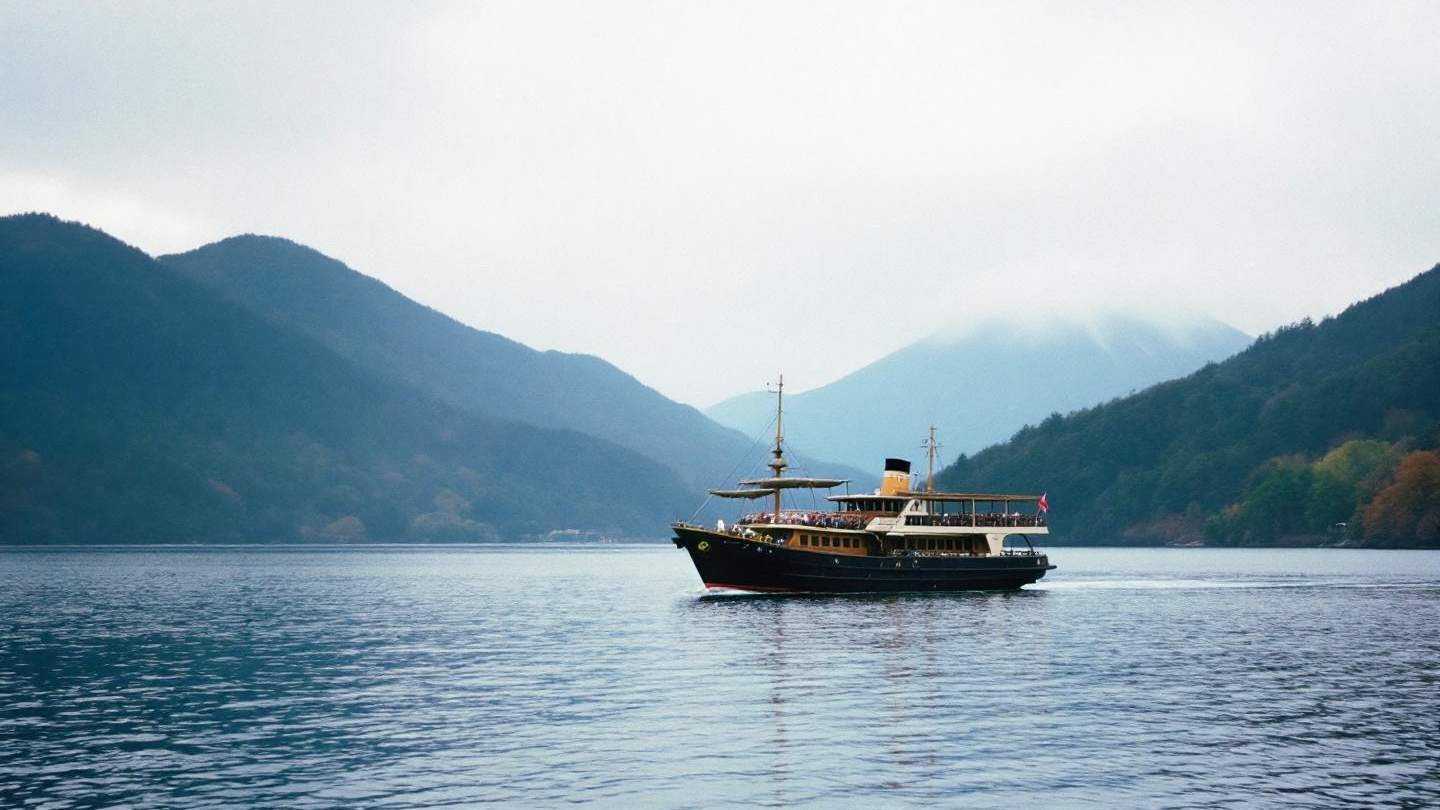
Hakone — the most accessible ryokan region from Tokyo (90 minutes by Romancecar express). Views of Mount Fuji from many properties, strong onsen tradition fed by the volcanic activity of the Hakone Geopark, and excellent kaiseki using Sagami Bay seafood. See the Hakone guide for full area context. Prices are slightly higher than comparable quality elsewhere due to proximity to Tokyo.
Kinosaki Onsen (Hyogo) — a small hot spring town on the Japan Sea coast where all seven public bath houses are accessible on foot. The convention here is to use the public baths rather than — or in addition to — the in-house onsen, so yukata-clad guests move between bathhouses throughout the evening. One of the most atmospheric onsen towns in Japan. Accessible from Kyoto in about two hours by limited express.
Kurokawa Onsen (Kumamoto) — a small, forested mountain onsen village in Kyushu with a consistently high standard across all its ryokan. The passholder system (a day pass allows access to three outdoor baths across different properties) makes exploring the area’s bathing variety easy. Prices are moderate by ryokan standards; the quality-to-price ratio is exceptional.
Beppu (Oita) — the largest onsen city in Japan by volume of spring water, with eight distinct spring types (the “Eight Hells” of Beppu). More urban and less pristine than mountain onsen towns, but the sheer variety of bathing options and the local shochu culture make it worth considering.
Gero Onsen (Gifu) — one of Japan’s three great hot springs. A traditional onsen town in the Hida mountains with a wide range of ryokan at moderate prices. More affordable than Hakone while offering a comparable onsen experience. Accessible from Nagoya in 90 minutes.
Arima Onsen (Hyogo) — Japan’s oldest onsen resort, located in the mountains above Kobe. Two distinct spring types: kinsen (gold spring, iron-rich and rust-colored) and ginsen (silver spring, clear and radioactive). Highly regarded by Japanese travelers; less visited by international travelers, which is part of its appeal.
Booking Tips
Book directly or through Jalan and Ikyu. The two leading Japanese booking platforms — Jalan (jalan.net) and Ikyu (ikyu.com) — have the most comprehensive inventory of ryokan, including many properties that do not list on international platforms. Both have English-language interfaces. Booking.com and Expedia carry many ryokan but miss a significant portion of the quality mid-range and luxury market.
Specify dietary restrictions at booking. Kaiseki menus are planned days in advance and sourced seasonally. Notifying the ryokan of allergies, vegetarian requirements, or specific dislikes at booking — not at arrival — is essential. Almost all ryokan can accommodate requests with advance notice; most cannot accommodate them on the day.
Consider traveling midweek. Weekend and holiday occupancy at popular ryokan is near 100%. Midweek stays, especially Sunday through Thursday, often have the same properties available at 10–20% lower rates with more attentive service due to lower guest numbers.
One night is not enough, but one night is worth it. Most people who stay one night wish they had stayed two. The rhythm of a ryokan — arrival bath, kaiseki dinner, morning bath, elaborate breakfast — is compressed to the point of rushing in a single overnight. Two nights allows you to actually settle into the pace the format is designed for.
Ryokan vs. Hotel
The comparison is less about comfort than about experience type. A good hotel offers predictability, privacy, and efficiency. A good ryokan offers immersion, surprise, and ceremony. The question is what kind of experience you want from your accommodation.
If you want to keep your own schedule, eat at restaurants of your choosing, work from your room, and check out whenever it suits you: a hotel is the right choice. If you want your accommodation to be a complete cultural experience that structures your evening and morning around Japanese tradition: a ryokan, even for a single night, is worth the additional cost and planning.
For most travelers on a first Japan trip, one to two ryokan nights within a longer itinerary represents the ideal balance.
Ryokan Prices by Season
Ryokan rates move with the calendar more sharply than city hotel rates, because weekend and holiday demand from Japanese travelers pushes the same room up and down through the year.
| Period | Demand | Typical rate change |
|---|---|---|
| Cherry blossom (late March-early April) | Very high | +20-40% on weekends, book 2-3 months ahead |
| Golden Week (late April-early May) | Peak | +30-50%, many popular ryokan sell out entirely |
| Rainy season (June) | Low | -10-20%, good value, indoor onsen still fully enjoyable |
| Obon (mid-August) | Very high | +30-50%, domestic travel surge |
| Autumn foliage (November) | Very high | +20-40%, especially in mountain onsen towns |
| Winter (December-February, excluding New Year) | Low to moderate | -10-20%, snow-viewing onsen add appeal at Gero and Kurokawa |
| New Year (late December-early January) | Peak | +30-50%, many ryokan require multi-night minimum stays |
Midweek stays outside these windows are consistently the best combination of price and quiet baths, regardless of season.
A Note on Booking Platforms and Language
Most ryokan, particularly smaller family-run properties, do not have English-speaking staff on every shift, and some accept bookings only through Jalan or by phone. If a property you want does not appear on international platforms, do not assume it is unavailable — check Jalan directly (the interface has an English toggle) or ask your existing accommodation’s front desk to call on your behalf, which is a normal and accepted request in Japan.
If you are combining a ryokan night with an onsen day trip, note that onsen etiquette around visible tattoos applies at ryokan baths just as it does at public bathhouses — check the specific property’s policy before booking if this affects you.
Frequently asked questions
Do I need to speak Japanese to stay at a ryokan? No. Larger and mid-range ryokan in tourist regions like Hakone and Kinosaki routinely handle English-speaking guests. Smaller rural properties may have limited English, but check-in procedures are simple enough to manage with gestures and a translation app; the Japan etiquette guide covers the small courtesies that help.
Can I wear the yukata outside the ryokan grounds? In dedicated onsen towns like Kinosaki and Kurokawa, yes — walking between bathhouses in yukata is the local custom. In cities and at ryokan without that tradition, the yukata is generally for use within the property and its immediate garden only.
More tours on Viator
Top-rated experiences with verified reviews, bookable on Viator (a Tripadvisor company).
 Viator
Peaceful Hiroshima & Miyajima UNESCO 1 Day Bus Tour
FromUSD 124Check availability → Viator
World Heritage Shirakawa-go and Experience Tours from Kanazawa
FromUSD 118Check availability → Viator
World Heritage Kyoto & Nara Uji Authentic Matcha Experience
FromUSD 124Check availability → Viator
Nara Half Day Trip Walking Tour (Private Option Available)
FromUSD 101Check availability → Viator
Hiroshima Peace (Heiwa) Walking Tour at World Heritage Sites
FromUSD 91Check availability → Viator