Japan Onsen Guide
Last updated: August 2026
Japan sits on the Pacific Ring of Fire, and the geothermal activity that makes the archipelago volcanically unstable also blesses it with thousands of natural hot springs. There are an estimated 27,000 onsen sources in Japan, producing water that has been used for bathing, healing, and ritual purification for at least 1,300 years. Today the onsen culture — the specific combination of therapeutic soaking, seasonal awareness, and restorative stillness — is one of the most distinctive experiences Japan offers visitors, and one that requires a little preparation to enter properly.
This guide covers everything you need to know: how to use an onsen, the rules of etiquette, the best onsen regions, types of hot spring, and practical advice on tattoo policies, what to bring, and how to choose between a ryokan stay and a day-use facility.
At a Glance
| Where | Nationwide — closest major region to Tokyo is Hakone, 90 minutes by express train |
| Cost | Day-use entry roughly 800–3,000 yen; ryokan stays with dinner and breakfast around 15,000–50,000 yen per person |
| Time needed | 1.5–2 hours minimum for a proper day-use soak; a ryokan stay is at least one night |
| Getting there | Shinkansen or limited express to the nearest hub station, then a local bus or short taxi to the onsen town |
| Best time | Winter for the classic snow-and-steam rotenburo experience; autumn (Oct–Nov) for foliage, but book ryokan two to three months ahead |
What Onsen Are — and Are Not
An onsen is a natural hot spring. Japanese law defines it precisely: water naturally emerging from the ground at 25°C or above, or containing any of 19 specified minerals at concentrations above regulated thresholds. This means that not every bath labeled as “onsen” in tourist materials is a geothermal spring — some facilities heat tap water with added minerals and market it loosely under the term. The distinction matters to hot spring enthusiasts (known as toji or onsen maniac) but less so to most visitors, who are after the experience of soaking in a quiet, beautiful environment.
A sento is a public bathhouse using heated tap water. Historically these were neighborhood facilities where residents without home baths would wash. Today, sento are less common than onsen resorts but exist throughout urban Japan, including Tokyo. Entry costs ¥480 to ¥600 versus the ¥800 to ¥1,500 typical of a day-use onsen. The etiquette is identical.
Types of Onsen
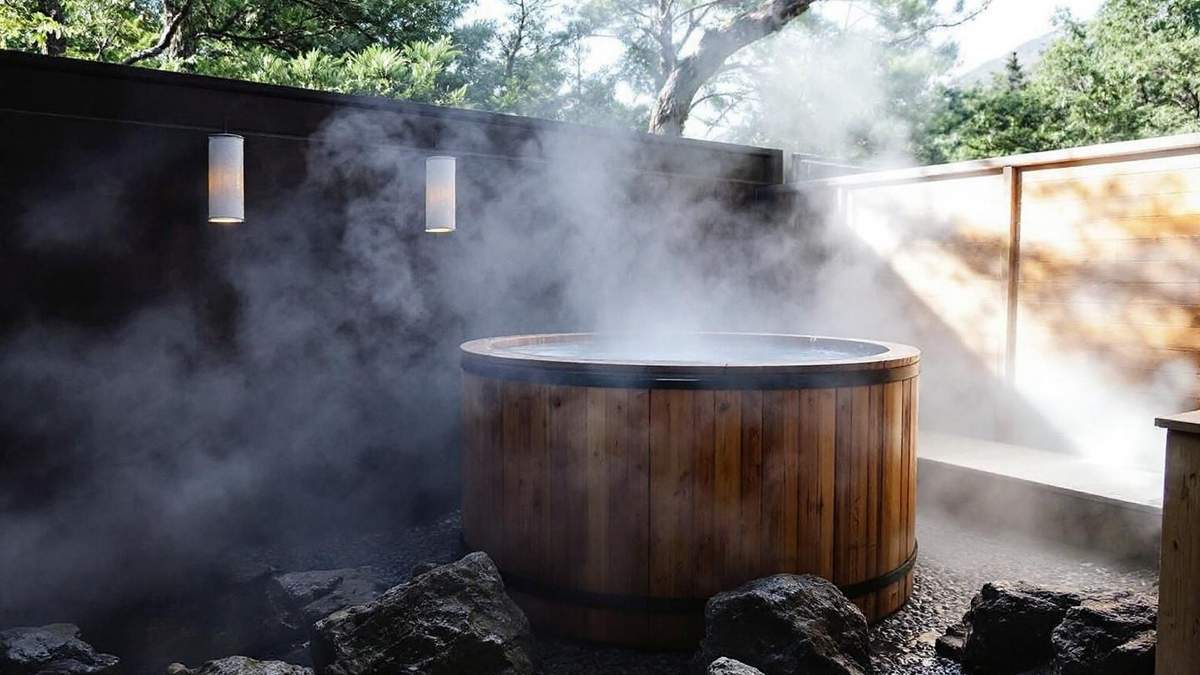
Rotenburo (outdoor bath): The most celebrated format. Water-filled pools set into natural rock, garden landscapes, forested hillsides, or cliffs overlooking the sea. The combination of hot water, cold air, and scenery — particularly in autumn when the surrounding maples turn, or in winter when snow falls — is the defining Japanese hot spring experience. Rotenburo at good ryokan typically open from early morning until late evening.
Naiyu (indoor bath): Enclosed bathing rooms, usually stone-tiled or cedar-paneled, with large windows onto gardens or mountains. Indoor baths maintain temperature more consistently in cold weather and are preferred in rain.
Kashikiri or Kashikiriburo (private onsen): A reserved room with its own private bath, bookable by the hour for solo bathers, couples, or families. Private onsen cost ¥1,500 to ¥3,000 per hour at ryokan or day-use facilities. Essential for those with tattoos, essential for anyone wanting complete privacy, and simply excellent for couples.
Konyoku (mixed-gender bath): Traditional mixed bathing exists at some rural onsen towns, though it has become increasingly rare as social norms shifted through the 20th century. Nyuto Onsen in Akita prefecture is the most well-known example of a region where konyoku still operates at traditional thatched-roof bathhouses.
Ashiyu (foot bath): Free or low-cost foot-soaking pools found at train stations, roadside rest stops, and public squares near hot spring towns. Kinosaki Onsen in Hyogo prefecture has seven public baths and numerous ashiyu along its willow-lined canal — visitors in yukata (light cotton robes) hopping between baths on foot is the town’s primary image.
Onsen Chemistry — Why Different Springs Feel Different
The mineral composition of onsen water varies significantly by geological region, which is why experienced bathers seek out specific types for specific benefits.
Simple thermal springs (tanjun-sen): The most common type. Clear water, mild mineral content, relaxing. Suitable for all conditions.
Sodium chloride springs (enshosen): Saltwater springs that leave skin feeling warm and moisturized long after bathing. Found in coastal and lowland areas. Kinosaki and some Beppu baths are this type.
Sulfur springs (ryuokan): Milky white or pale yellow water with the distinctive smell of hydrogen sulfide. These are the “classic” onsen visually. Good for skin conditions and joint pain. Noboribetsu in Hokkaido and Kusatsu in Gunma are famous sulfur spring destinations. Note that sulfur springs tarnish silver jewelry — remove rings and bracelets before entering.
Iron springs (tansan-tetsusen): Water with high iron content, often reddish-brown in color, known for relieving fatigue and anemia. Found in parts of Kyushu and the Japan Alps.
Carbonated springs (tansansen): Water with dissolved CO2 that creates a light effervescent sensation on skin. Highly sought after; genuinely unusual sensation. Relatively rare in Japan — primarily found in parts of Kumamoto and Oita.
Acidic springs (sansei-sen): Strongly acidic water (pH as low as 1.0 to 2.0 at some Kusatsu sources) that is antibacterial and beneficial for skin conditions. Can be harsh on sensitive skin; limit soaking time to five to ten minutes. Kusatsu and Tamagawa Onsen are the most extreme examples.
Alkaline springs (alkalinesen, or bijin-no-yu): High pH water that dissolves dead skin cells, leaving skin smooth and almost slippery. Called bijin-no-yu, or beauty water. Arima Onsen and parts of Noboribetsu have notable alkaline springs.
Complete Onsen Etiquette Guide
Onsen etiquette is not arbitrary formality — it is the operating system of a shared bathing culture. Follow it and the experience becomes comfortable and natural. Ignore it and you will make yourself and others uncomfortable.
Before entering the bathing area: Separate your shoes at the entrance (genkan) and leave them in the provided locker or shelf. Collect a key fob if lockers are available. Purchase entry at the front desk or ticket machine (jidohanbaiki). You will receive a small towel — bring your own large towel if you want one for drying off afterward, or rent one at the facility (¥100 to ¥300). You are given a wristband or basket key for your locker in the changing room.
In the changing room: Undress completely and store all clothing and personal items in the locker. Carry your small towel with you into the bathing area — it is used to preserve modesty when walking between the changing room and the baths. Do not wear swimwear into a traditional onsen; it is not permitted.
The washing area: Every onsen has a row of individual washing stations — small stools, shower heads, and soap and shampoo dispensers. Before entering any bath, sit at a station and wash your entire body thoroughly. This is mandatory, not optional. Use the shower head, soap up completely, and rinse until fully clean. In a public onsen you are sharing water with everyone — thorough pre-washing is the foundation of the entire culture. Splash water on yourself before lowering into the hot bath to acclimatize.
In the bath: Enter slowly. Onsen temperatures typically range from 38°C to 44°C; some baths reach 46°C. If you feel dizzy or overheated at any point, exit the bath calmly and sit by the edge or return to the changing room. Do not bring your phone or camera into the bathing area — photography is strictly prohibited. The small towel should be folded and placed on your head or on the edge of the bath — it must not touch the water. Do not wash your hair in the bath. Do not swim. Do not splash. Move calmly. Talking quietly is fine; loud conversation is not.
Exiting and drying: When you leave the bath, wring your towel as dry as possible before returning to the changing room, so you are dripping as little water as possible onto the floor. Dry yourself thoroughly before returning to the changing room. Moisturizer is often provided free of charge — using it after a mineral soak helps maintain skin condition.
General conduct: People with tattoos (in facilities where tattoos are prohibited) should not attempt to enter and conceal them — this is considered a serious breach of trust and may result in removal from the facility. People who are intoxicated are not permitted to enter onsen. People with open wounds or contagious skin conditions should not use public baths. Most onsen have a separate children’s section or age restriction (usually children under five or six are not admitted to adult baths).
Japan’s Best Onsen Regions
Hakone — Kanagawa Prefecture
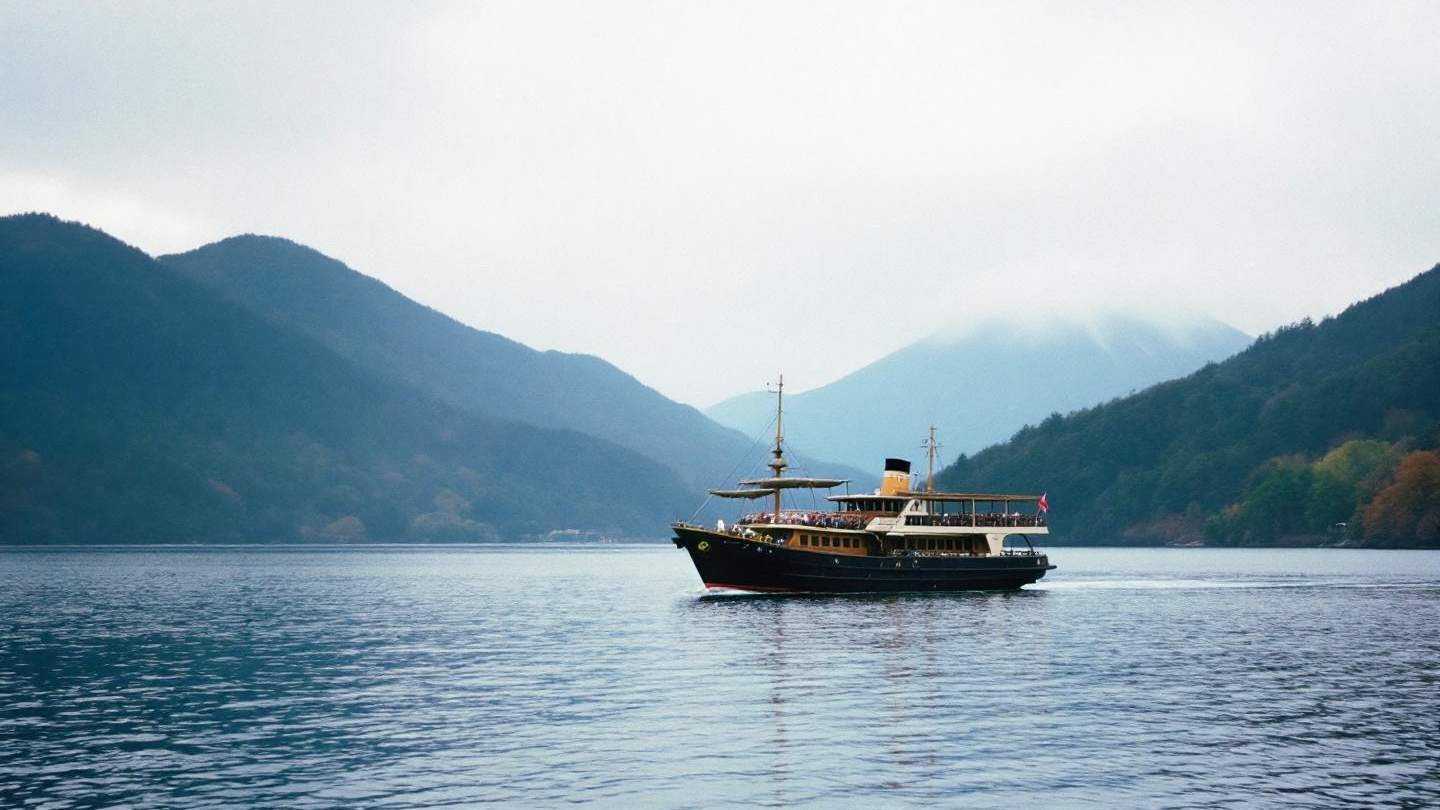
The most accessible major onsen destination from Tokyo, 90 minutes by express train from Shinjuku. Hakone’s onsen water is generally mild — sodium chloride and simple thermal springs — clear, and comfortable for extended soaking. The real draw is the setting: rotenburo overlooking forested valleys, mountain ridges, and on clear days the cone of Mount Fuji. The Hakone Open-Air Museum, Owakudani volcanic valley, and Lake Ashi make Hakone an excellent overnight destination that rewards more than the two to three hours a day trip allows.
The Hakone area has hundreds of ryokan at all price levels — from ¥8,000 per person per night in shared-bath guesthouses to ¥80,000 per person per night at luxury ryokan like Gora Kadan or Hakone Suiho. Day-use onsen facilities (higaeri nyuyoku) at hotels like the Hakone Highland Hotel or Yunessun Spa Resort start around ¥1,800.
Mt. Fuji and Hakone Day Trip from Tokyo
Combine Mt. Fuji sightseeing with Hakone's famous hot spring region. Ropeway over volcanic valleys, Lake Ashi cruise, and time for an onsen soak.
Beppu — Oita Prefecture, Kyushu
Beppu is Japan’s second-most prolific hot spring city by volume of water output (after Noboribetsu), producing eight distinct types of spring across eight separate onsen districts (onsen hatto). The eight jigoku (hells) — a tour of dramatic spring pools in violent shades of blood red, deep blue, and white — are a tourist attraction in themselves, though they are for viewing rather than bathing. The actual bathing experience at Beppu spans everything from neighborhood sento costing ¥100 to full resort ryokan. The sand baths (sunayu) at Beppu Beach are a distinct experience: attendants bury you in naturally heated black sand to the neck for 15 minutes, after which you bathe in adjacent hot spring pools. Entry around ¥1,500.
Getting there: Shinkasen to Hakata (Fukuoka), then limited express Sonic to Beppu (1 hour 40 minutes from Hakata). Total from Osaka: around 3.5 hours.
Kurokawa Onsen — Kumamoto Prefecture, Kyushu
Kurokawa is frequently cited as Japan’s most beautiful onsen village: a single street of traditional ryokan, thatched-roof tea houses, and wooden bathing facilities clustered around a gorge of the Chikugo River. The village’s specific attraction is the noppai tegata system — a wooden pass (¥1,500) that grants access to three outdoor baths at any participating inn regardless of whether you are staying there. Over 20 inns participate. In autumn and winter especially, the combination of fog, forest, steam, and flickering lanterns is extraordinary.
Getting there: Flights from Tokyo to Kumamoto Airport, then rental car or infrequent bus (2.5 hours from Kumamoto). Kurokawa is not easily accessible by public transport alone, which is part of why it feels so remote.
Noboribetsu — Hokkaido
Hokkaido’s most famous onsen resort sits at the edge of Jigokudani (Hell Valley), an active volcanic crater emitting steam from dozens of vents. Noboribetsu’s water covers the widest variety of spring types of any onsen town in Japan — sodium chloride, sulfur, iron, carbonated, acidic, and alkaline springs are all available within a short walk. The Dai-ichi Takimotokan resort hotel has 35 separate baths fed by nine spring types, making it arguably the most comprehensive single onsen facility in the country (day-use entry ¥2,200).
Getting there: Shinkansen from Sapporo to Noboribetsu Station (40 minutes on Hokuto Limited Express), then bus to the resort area.
Kinosaki Onsen — Hyogo Prefecture
Kinosaki is the archetypal Japanese onsen town: a single canal lined with willow trees, seven historic public baths (sotoyu), and traditional wooden ryokan where guests spend the evening strolling between baths in yukata robes and wooden geta sandals. Each of the seven baths has a distinct character — Satonoyu near the station is the grandest, Jizouyu is the oldest, Goshono-yu is the most elevated with views over the town. A single-entry ticket (ippaku futsuka system) covering all seven baths is included with most ryokan stays.
Getting there: JR Kyoto-Kinosaki Tokkyu Limited Express from Kyoto Station (2 hours 30 minutes, ¥4,700, JR Pass accepted). Accessible as an overnight trip from Kyoto or Osaka.
Kusatsu — Gunma Prefecture
Japan’s most popular onsen resort by visitor count, Kusatsu is renowned for its extraordinarily acidic water — the Shirahata-no-yu and Wakabatake sources have a pH as low as 2.1, which dissolves metals and kills bacteria on contact. The yumomi ritual — workers in traditional dress use long wooden paddles to cool the water from 52°C by stirring rather than adding cold water (which would dilute the minerals) — is performed as a cultural show at the Netsunoyu bath (¥600 entry for the show, extra for the bath). The central yubatake (hot water field) produces over 32,000 liters per minute and is best seen at night when it is illuminated.
Getting there: Shinkansen from Tokyo to Karuizawa, then bus to Kusatsu (around 2 hours 30 minutes total). JR passes do not cover the bus; budget ¥3,000 to ¥4,000 for the full one-way journey.
Arima Onsen — Hyogo Prefecture
Japan’s oldest recorded onsen, documented in the Nihon Shoki chronicle of 720 AD, Arima sits in a mountain valley above Kobe and within easy day-trip distance of both Osaka and Kyoto. The town has two entirely distinct water types: kinsen (golden water, a reddish iron and salt spring) and ginsen (silver water, a clear radioactive carbonated spring). Tansan-no-yu and Kinsen-no-yu are the main public baths for day visitors (¥650 and ¥800 respectively). Arima’s proximity to Kobe makes it a good half-day addition to a Kobe visit.
Dogo Onsen — Ehime Prefecture, Shikoku
Dogo Onsen Honkan, the main bathhouse, is Japan’s oldest continually operating public bath — the current building dates from 1894, though the spring has been in use since antiquity. The three-tiered timber building, topped with a bronze heron, is a National Important Cultural Property and widely considered the inspiration for the bathhouse in Hayao Miyazaki’s Spirited Away. Renovation work began in 2019 and is ongoing through 2024; the baths remain operational but access to some floors is restricted. Entry to the main Kami-no-yu bath costs ¥700.
Ryokan vs. Day-Use Onsen
Staying at a ryokan is the full onsen experience: multi-course kaiseki dinner, breakfast, yukata provided, access to private and public baths morning and evening. Most ryokan in onsen towns include two meals and unlimited bath access in the per-person rate (¥15,000 to ¥50,000 per person depending on standard). This format — arrive by 3pm, bathe before dinner, sleep, bathe in the morning, leave after breakfast — is how Japanese families traditionally use onsen resorts. Staying one night is the minimum; two nights lets you relax fully.
Day-use onsen (higaeri nyuyoku) allows non-staying visitors to use a facility’s baths for a few hours (typically ¥1,000 to ¥3,000 entry). Many ryokan open their baths to day visitors during off-peak hours. This is the right format for tight itineraries or when combining an onsen soak with a day-trip visit to a region.
Coin-operated rotenburo exist in some towns (particularly Beppu’s neighborhood sento), charging ¥100 to ¥200 per entry — genuine local infrastructure rather than tourist amenity. These are the most authentic onsen experiences available to visitors willing to follow the local etiquette fully.
Tattoo Policies
Many onsen, particularly resort hotels and popular public facilities, prohibit tattoos in public baths. The rule originates from association between tattoos and organized crime, though it is now also about maintaining the comfort of guests who find tattoos culturally uncomfortable.
The practical situation is changing: a growing number of facilities now permit tattoos covered with waterproof dressing patches (provided by the facility), allow tattooed guests in private baths only, or have abandoned prohibition entirely at properties targeting international visitors. Smaller, rural onsen and local sento are often more pragmatic about the rule than large resort facilities. See the dedicated guide to onsen and tattoos in Japan for a complete breakdown by region.
What to Bring
- Towel: A small towel is usually provided or available to rent (¥100 to ¥300). Bring your own large towel for drying if you prefer.
- Toiletries: Shampoo, conditioner, body soap, and moisturizer are provided at almost all facilities, including neighborhood sento. You need nothing beyond what you are wearing.
- Hair tie: If you have long hair, tie it up before entering the bath to prevent contact with the water.
- Cash: Many onsen facilities do not accept card payment, particularly smaller neighborhood sento and rural ryokan. Keep coins and ¥1,000 notes available.
- Remove jewelry: Particularly silver (tarnishes in sulfur springs) and items with sentimental value. Lockers are generally secure, but removing everything before bathing is simpler.
Onsen by Season, at a Glance
| Season | Weather in the bath | Crowds | Notes |
|---|---|---|---|
| Winter (Dec–Feb) | Cold air, hot water — the defining rotenburo contrast | Moderate, quieter on weekdays | Best season overall; see Japan in winter for wider trip planning |
| Spring (Mar–May) | Mild, comfortable outdoor soaking | High around cherry blossom weeks | Hakone under blossom is a highlight; book ahead |
| Summer (Jun–Aug) | Hot and humid, outdoor baths less appealing | Lower at resort onsen, higher at mountain towns | Altitude onsen like Noboribetsu and Kurokawa stay pleasant |
| Autumn (Oct–Nov) | Crisp air, maple foliage framing baths | Highest of the year | Peak season — reserve ryokan two to three months ahead; see Japan autumn foliage |
Seasonal Considerations
Winter (December to February): The best season for rotenburo. Snow falling on outdoor baths, steam rising in the cold air, the sensation of extreme temperature contrast between hot water and freezing air. Rotenburo in Hakone, Noboribetsu, and Kurokawa in snow are among the most beautiful seasonal experiences in Japan.
Autumn (October to November): Maple foliage framing outdoor baths. Peak season at most onsen resorts — book ryokan rooms two to three months in advance.
Spring (March to May): Cherry blossoms are a secondary draw at some onsen towns. Milder temperatures make outdoor bathing comfortable without the drama of winter. Hakone in late March to early April under cherry blossoms is exceptional.
Summer (June to August): Outdoor baths are less appealing in heat and humidity, but mountain onsen at altitude (Noboribetsu, Kurokawa) remain pleasant. Sulfur springs and acidic springs attract visitors seeking skin treatment regardless of season.
Fitting an Onsen Into Your Itinerary
Most first-time visitors add an onsen night at the end of a Tokyo or Kansai stretch, treating it as a deliberate slowdown after several days of temples and train travel. Hakone works well as a one-night add-on directly from Tokyo — see Hakone in a day if you only have daylight hours to spare, or plan an overnight if your schedule allows it. Kinosaki is the natural detour from a Kyoto base, reachable by direct limited express.
For a broader sense of when to build any of this into a trip, best time to visit Japan covers how onsen season interacts with cherry blossom and foliage timing elsewhere in the country. Couples in particular tend to prioritize a kashikiri private bath over a public rotenburo — see Japan for couples for how that fits into a wider romantic itinerary.
Japan’s onsen regions are among the most rewarding experiences in the country for visitors who approach them with curiosity and respect for the customs that make shared bathing work. For more on Hakone — the most accessible onsen region from Tokyo — the Hakone guide covers the full range of options with transport details and specific recommendations.
Frequently Asked Onsen Questions
Can I bring my phone into the changing room? Yes — phones and cameras are only banned in the bathing area itself, where photography is strictly prohibited out of respect for other bathers’ privacy. The changing room is fine for a quick photo of your locker key, but leave the phone in your bag or locker before you enter the wet area.
Is it rude to talk in the bath? No, quiet conversation is normal and part of the experience, particularly in a private kashikiri room or between travel companions. Loud conversation, laughing, or phone calls are the behaviors that draw disapproving looks.
More tours on Viator
Top-rated experiences with verified reviews, bookable on Viator (a Tripadvisor company).
 Viator
Peaceful Hiroshima & Miyajima UNESCO 1 Day Bus Tour
FromUSD 124Check availability → Viator
World Heritage Shirakawa-go and Experience Tours from Kanazawa
FromUSD 118Check availability → Viator
World Heritage Kyoto & Nara Uji Authentic Matcha Experience
FromUSD 124Check availability → Viator
Nara Half Day Trip Walking Tour (Private Option Available)
FromUSD 101Check availability → Viator
Hiroshima Peace (Heiwa) Walking Tour at World Heritage Sites
FromUSD 91Check availability → Viator