Best Tours in Tokyo
Last updated: August 2026
Tokyo is one of those cities where a good guide genuinely changes the experience. Not because the city is difficult to navigate on your own — the subway system is excellent and signage is bilingual — but because the most interesting parts of Tokyo are hidden. The best ramen shop in Shinjuku is in a basement reached by a staircase with no English sign. The sumo stable that allows observers opens for training only if you know who to contact. The Tsukiji fishmonger who will explain the anatomy of a tuna to a curious visitor speaks Japanese only. A guided tour bridges that gap, turning a competent solo trip into something that goes meaningfully deeper.
This guide covers the best tours in Tokyo by category: food, cooking, cultural experiences, and day trips. All are bookable through GetYourGuide with confirmed English-language operation.
| At a glance | |
|---|---|
| Where | Meeting points vary by tour — usually a named station exit in Shibuya, Shinjuku, Tsukiji, or Ryogoku |
| Cost | Roughly ¥3,000–8,000 for half-day food/cultural tours, ¥8,000–20,000+ for full-day trips such as Mt. Fuji |
| Time needed | 2–4 hours for food/cooking tours; 10–12 hours for day trips |
| Booking | Popular slots (sumo training, teamLab, Fuji day trips in peak season) sell out weeks ahead — book before arrival |
| Best time to book tours | Any season, but reserve earlier around cherry blossom season and autumn foliage |
Food Tours
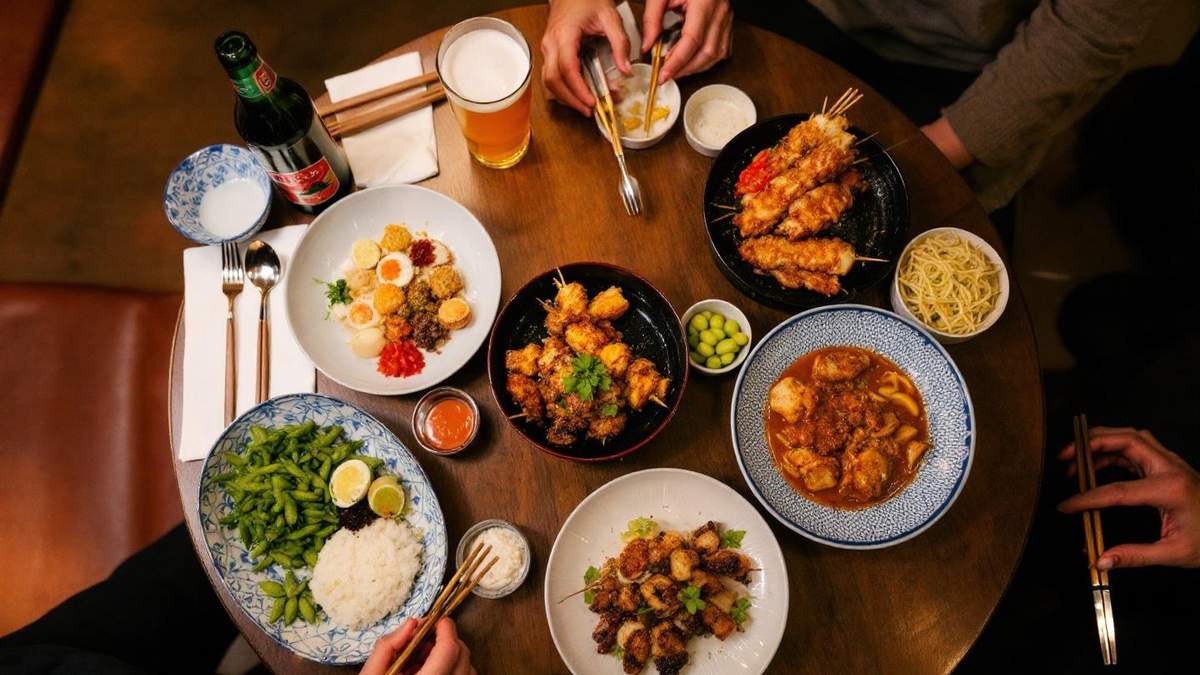
Tokyo’s food scene rewards guided exploration more than almost any other city. The sheer density of options — thousands of restaurants per square kilometer in central neighborhoods — means that wandering without direction leads to tourist traps and mediocre meals. A good food tour routes you through the places locals actually eat, at the times they eat them, with explanations of what you are eating and why it matters. Expect to eat more than you expect, and arrive hungry.
Tsukiji Market Tour and Sushi Making
Explore Tsukiji Market with a guide, then learn sushi at a top cooking school.
Tokyo Secret Food Walking Tour
A 3-hour culinary adventure through hidden backstreets sampling sushi, gyoza, and local dishes.
Shibuya Food Tour
3-hour immersive food tour through Shibuya's best local spots and street food.
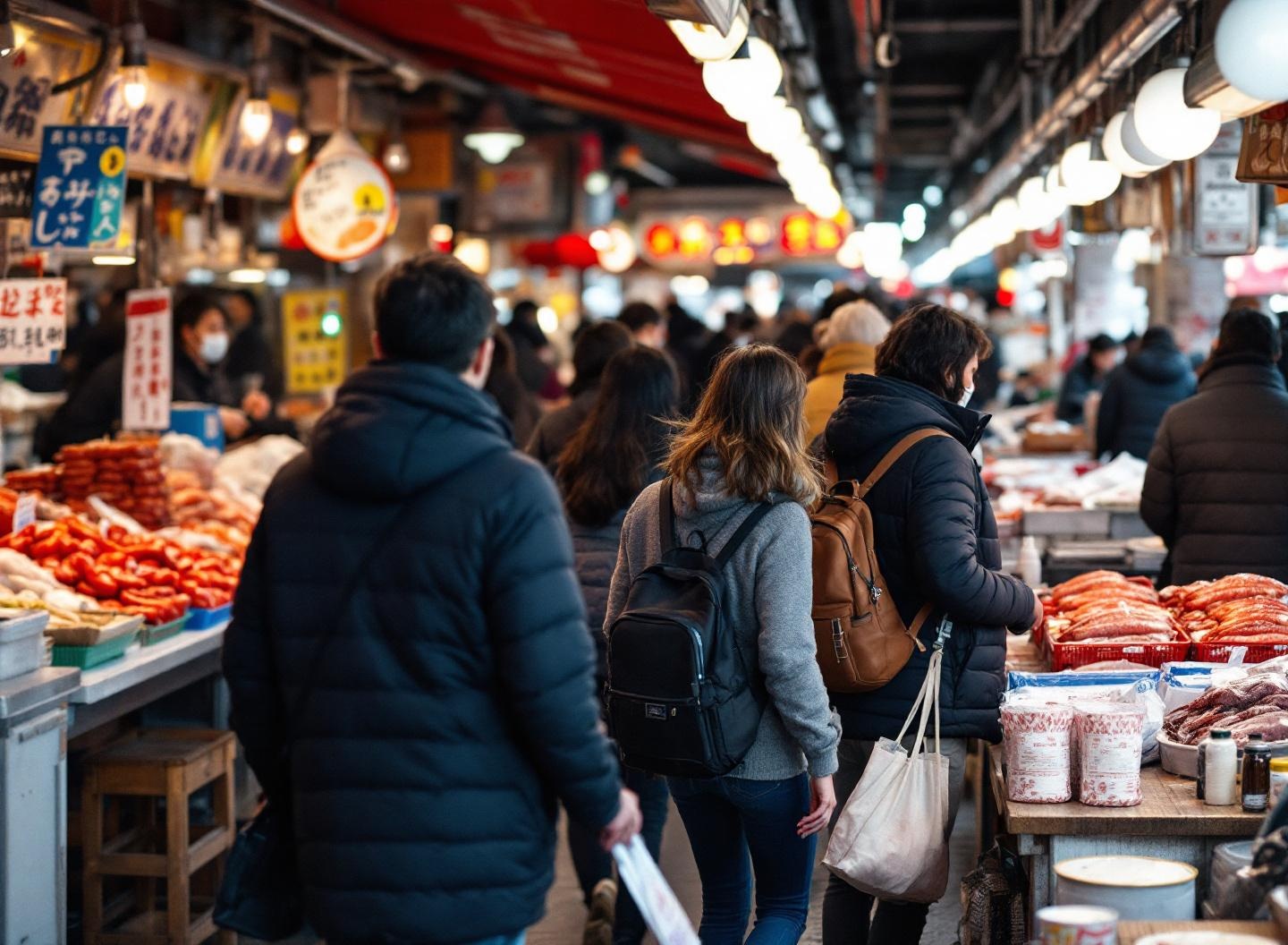
The Tsukiji Market Tour is one of Tokyo’s most consistently recommended food experiences. Although the main wholesale tuna auctions relocated to Toyosu in 2018, the outer Tsukiji market remains Tokyo’s most atmospheric street-food destination, packed with vendors selling tamagoyaki (sweet rolled omelette), grilled scallops, fresh sashimi, and specialist knives. This four-hour combination adds a sushi-making class at a dedicated cooking school — a sensible pairing that gives context to what you just saw in the market.
The Secret Food Walking Tour goes off the tourist circuit into the narrow alleys (yokocho) of central Tokyo, stopping at standing noodle counters, tiny gyoza shops, and local convenience store delicacies that no one outside Japan would ordinarily seek out. This is the tour for people who are already fairly experienced travelers wanting to push past the obvious.
The Shibuya Food Tour works particularly well as an introduction: Shibuya’s blend of international and deeply local food culture makes it a good primer for the wider city, and the neighborhood’s navigability means the tour can cover significant ground in three hours.
Cooking Classes
Cooking classes in Tokyo have evolved well beyond the token tourist experience. The best ones start with ingredient sourcing — at a supermarket, market, or specialist supplier — then work through technique with real depth. You leave knowing how to reproduce what you made, not just having tasted it. Classes run from around ¥7,000 to ¥18,000 per person depending on duration, menu complexity, and whether the session is private or group.
Sushi Cooking Class with Sake Tasting
Shop at a local supermarket, learn sushi-making, and enjoy sake with your creations.
Ramen Making from Scratch
Visit Akihabara, pick up ingredients, then make authentic ramen from scratch.
Private Cooking Class with Local Chef
Private hands-on class in a local chef's kitchen. Learn authentic recipes to recreate at home.
The Sushi Cooking Class with Sake Tasting is rated among the highest-reviewed cooking experiences in Tokyo for good reason: it combines three things visitors most want to do — visit a supermarket to understand ingredient quality, learn a real technique with immediate practical application, and understand sake as a food partner rather than just a drink. Groups are small (usually six to eight people) and the sake tasting covers three to four styles with notes explaining the differences.
The Ramen Making from Scratch class takes a different approach, routing through Akihabara’s specialist food shops before settling into the kitchen. Making ramen properly — tare, broth, noodles, toppings all made separately and assembled — takes four hours and teaches more about the food than eating three bowls at different shops. The Jiro-style format, known for its huge portion of thick noodles with rich tonkotsu broth and a mountain of vegetables, is one of Tokyo’s cult food experiences.
The Private Cooking Class is the right choice for couples or small groups who want focused attention and a menu tailored to dietary requirements. Private classes allow the pace to slow down, with time to ask questions and understand the reasoning behind each technique. The instructor typically covers three or four dishes per session.
Cultural Experiences
Tokyo’s cultural depth is harder to access than its food scene — language barriers and custom-specific etiquette make certain experiences difficult to enter independently. Guided cultural tours solve this cleanly, and the best ones offer access that is simply not available to walk-in visitors.
Sumo Morning Training Visit
Watch real sumo wrestlers train at a stable in Ryogoku with an expert guide.
Sumo Show and Dining Experience
Live sumo performance, learn traditions, and dine with retired wrestlers.
teamLab Planets Entry Ticket
Skip the line at Tokyo's most immersive digital art museum. Walk barefoot through stunning installations.
Sumo Morning Training is among the rarest access experiences Tokyo offers. Sumo stables (heya) train in the mornings from around 6am to 11am and occasionally allow small groups to observe, but this requires personal introduction through the stable’s management — something the tour operators have established through years of relationship-building. You watch wrestlers practice tachiai (the initial charge), suriashi (footwork), and practice bouts in a traditional dohyo with a guide explaining the significance of each exercise. Dress conservatively, arrive on time, and maintain absolute silence during training.
The Sumo Show and Dining Experience is a more accessible alternative that doesn’t require early rising: a curated performance of sumo techniques and traditions followed by chanko-nabe — the high-protein hot-pot dish wrestlers eat in massive quantities. Former wrestlers host the dinner and answer questions about the sumo lifestyle. This works better for families and groups who want the sumo experience without the 5am wake-up call.
teamLab Planets in Toyosu has established itself as one of Tokyo’s essential experiences since it opened in 2018. The installation spaces — wade through a shallow pool into rooms of infinite reflective light, lie on a mirrored floor as digital flowers grow around you — are genuinely unlike anything else in the world. Pre-booking is essential as timed entry slots sell out weeks in advance; skip-the-line tickets purchased through GetYourGuide guarantee entry at your chosen time. Allow 90 minutes to two hours and wear clothing you don’t mind getting wet at the ankles.
Day Trips from Tokyo
Tokyo’s position at the center of the Kanto region puts several of Japan’s most spectacular landscapes within 90 to 120 minutes by bus or train. Day trip tours handle all the logistics — transport, admission, English interpretation — and pack more into ten or eleven hours than most independent travelers manage in a full day. The tradeoff is pace: guided day trips move fast. If you want to spend four hours at the base of Mount Fuji watching clouds clear, a private hire is better suited.
Mt. Fuji Full-Day Trip
Visit Mt. Fuji 5th Station, Kawaguchi Lake, Oshino Hakkai. All transport included.
Mt. Fuji and Hakone with Bullet Train
Mt. Fuji, Hakone ropeway, Lake Ashi cruise, and Shinkansen return.
Mt. Fuji, Kamakura and Big Buddha
Three iconic experiences in one day: Mt. Fuji, Great Buddha, and Lake Ashi cruise.
The Mt. Fuji Full-Day Trip is the single most-booked tour from Tokyo and the itinerary has been refined over years of operation: 5th Station (the highest point accessible by road at 2,305 meters above sea level), Kawaguchi Lake (the best angles of Fuji reflected in still water), and Oshino Hakkai (the eight spring-fed ponds at the foot of the mountain). Departs from Shinjuku at around 7:30am and returns by 8pm. Fuji is snow-capped from October to May and the 5th Station pathway may be closed November to April depending on conditions — check with your operator.
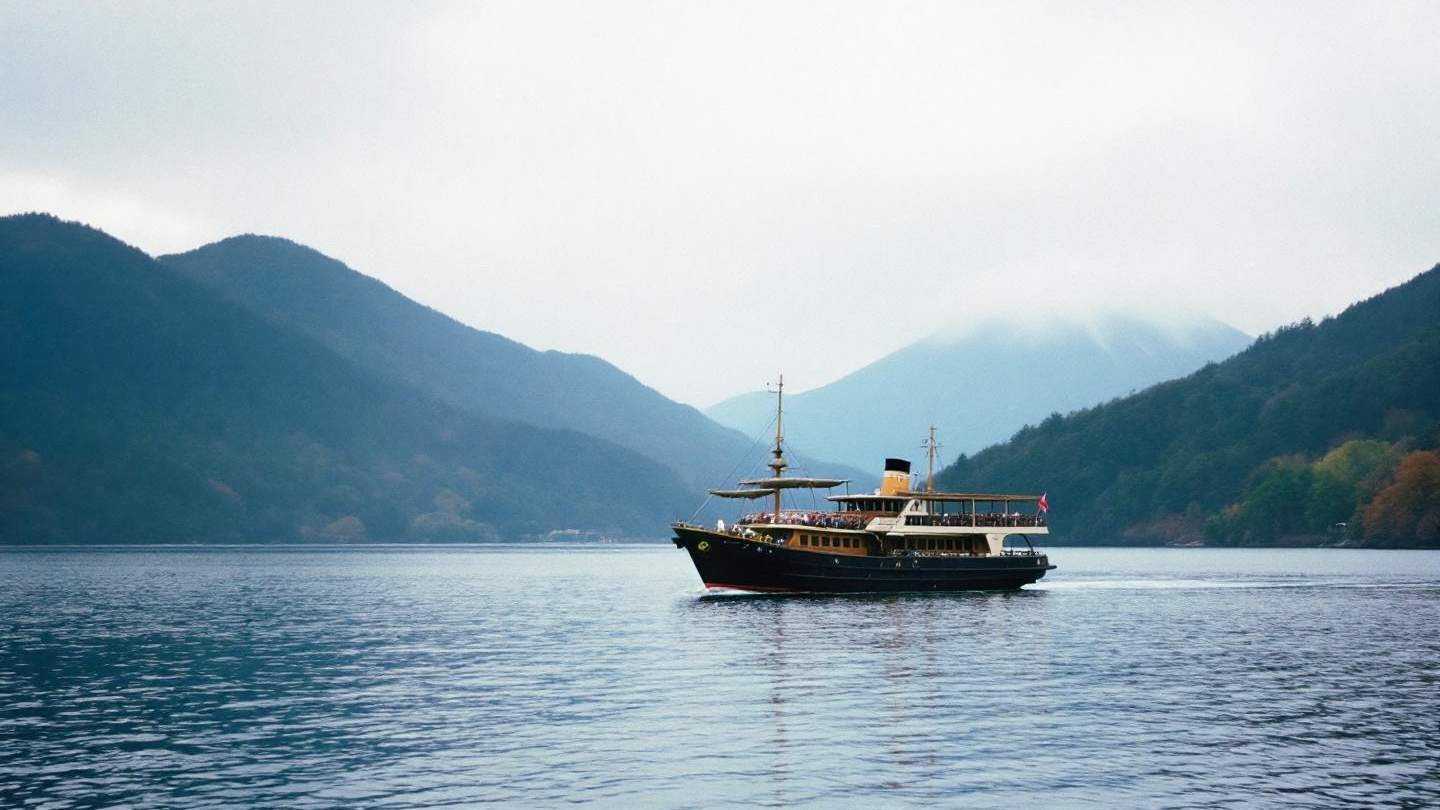
The Mt. Fuji and Hakone with Bullet Train tour earns its higher price through the Shinkansen return from Odawara to Shin-Yokohama or Tokyo — an experience that justifies itself on its own terms, and which routes you through the Hakone ropeway over Owakudani’s sulfurous volcanic valley and Lake Ashi with views of Fuji from the water. This is the right tour if you want to see Fuji and also experience Hakone as a region, not just a backdrop.
The Mt. Fuji, Kamakura and Big Buddha combination is logistically ambitious but covers the Kanto region’s two most iconic sights in a single efficient day. The Great Buddha of Kamakura (Kotoku-in, 13.35 meters tall, cast in bronze in 1252) and the Lake Ashi cruise with Fuji in the background represent two completely different aspects of Japan in one well-organized itinerary.
For more options, the full day trips from Tokyo guide covers independent transport and additional destinations including Nikko and Enoshima.
How to Choose the Right Tour
Group vs. private: Group tours (typically 10 to 25 people) cost less and provide social energy — you will likely meet other interesting travelers. Private tours cost more (usually 2x to 3x) but allow pace adjustment, dietary accommodation, and candid conversation with your guide. For food tours with dietary restrictions, private is strongly recommended.
Half-day vs. full-day: If you have limited time, half-day food tours (three to four hours) are more efficient per hour of experience. Day trips to Mt. Fuji or Hakone require full days by definition — the travel time alone is two to three hours each way.
Morning vs. evening: Food tours run at different times for good reason. Morning tours (starting 9am to 10am) hit breakfast and brunch culture, market vendors at peak activity, and the pre-lunch energy of kitchen-focused neighborhoods like Tsukiji. Evening food tours (starting 5pm to 6pm) access izakaya culture, standing bars, and the social side of Japanese eating and drinking. Both are valuable; they cover different aspects of the food city.
Booking timing: The most popular tours — sumo morning training, teamLab Planets, Mt. Fuji day trips in peak season — sell out weeks in advance. Book before you arrive, particularly for travel between late March and early May (cherry blossom season) and October to November (autumn foliage and generally ideal weather).
For the complete picture of what to see and do in Tokyo independently, the best things to do in Tokyo guide covers every major attraction with transport details and current admission prices.
Tipping and Paying Your Guide
Tipping is not expected on any of these tours, even for exceptional guiding — this holds true across Japan generally, and offering cash directly can occasionally cause awkwardness. Most operators charge in full at booking through GetYourGuide, so no cash changes hands on the day beyond what you spend on food, drinks, or optional extras during the tour itself. If you want to show appreciation, a written review on the platform is the more culturally appropriate gesture than a tip.
Combining Tours With Independent Exploration
Tours work best as a spine rather than the entire trip. A sensible pattern for a first Tokyo visit: use one guided food tour early in the stay to orient yourself to a neighborhood’s layout and vocabulary, then return independently later in the trip to revisit favorites at your own pace. The Tokyo food guide and best things to do in Tokyo pages are useful companions for planning the independent half of that pattern, and if you are weighing whether a day trip tour or self-guided transport makes more sense, the day trips from Tokyo guide breaks down both options.
Frequently asked questions
Do I need to speak Japanese to take these tours? No. Every tour listed here is confirmed to run in English, with guides fluent enough to explain cultural context, not just translate menus. Some operators also offer other languages — check the specific listing if you need something other than English.
Are these tours suitable for children? Many are, particularly the Sumo Show and Dining Experience and the Mt. Fuji day trips, which are pitched at general audiences. Food tours involving late-night yatai-style stops or alcohol-forward izakaya routes are better suited to adults. Check the “bestFor” notes on each listing, and message the operator directly if traveling with young children.
More tours on Viator
Top-rated experiences with verified reviews, bookable on Viator (a Tripadvisor company).
 Viator
Tokyo: Make Your Own Chopsticks Shibuya
FromUSD 11Check availability → Viator
Private Curated Tour | Get Tokyo’s Must Sees & Unique Insights
FromUSD 144Check availability → Viator
Akihabara Tailor-made Private Tour for Anime Fans
FromUSD 128Check availability → Viator
Experience all of Japanese culture and Japanese food experience classes "origami, udon, Japanese food, green tea, calligraphy" in 4 hours
FromUSD 89Check availability → Viator
Samurai Experience - Learn Bushido through Kendo, in Tokyo
FromUSD 128Check availability → Viator