Tokyo Shopping Guide
Last updated: August 2026
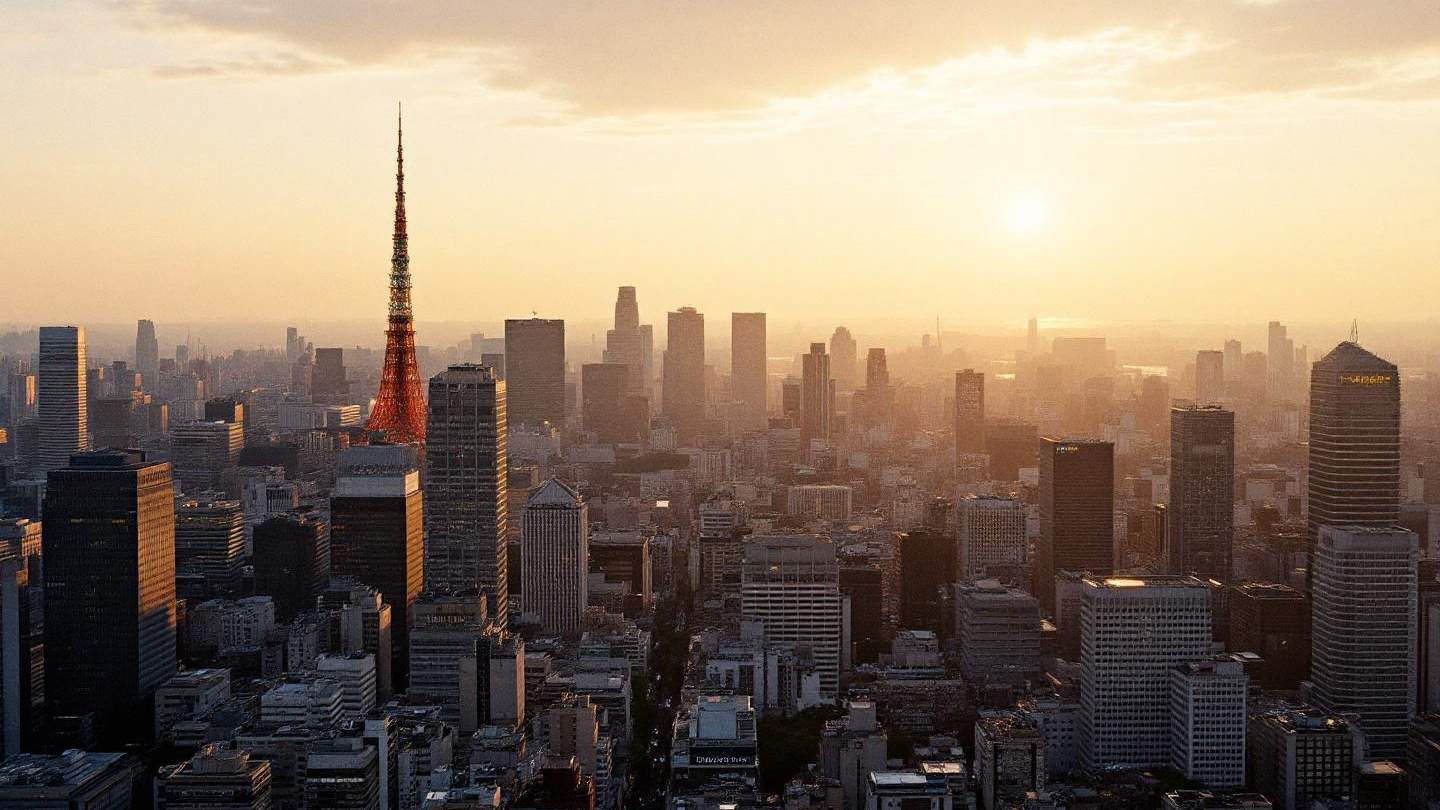
Tokyo is one of the world’s great shopping cities — not because of luxury malls or duty-free deals, but because the sheer diversity and quality of what is available is unmatched anywhere. From a 400-year-old knife shop in Kappabashi to the world’s largest anime merchandise floor, from ultra-high-end Ginza boutiques to the best vintage clothing market in Asia, the city rewards every kind of shopper. This guide covers the essential areas, what to buy, and the practical details that make the experience smoother.
| At a glance | |
|---|---|
| Where | Harajuku, Ginza, Akihabara, Shibuya, Shinjuku, and Shimokitazawa each cover different ground |
| Cost | From 500 yen t-shirts to six-figure yen designer pieces; most souvenirs 500-3,000 yen |
| Time needed | A half day per neighborhood; a full day if you’re combining two areas |
| Getting there | JR Yamanote Line or Tokyo Metro connects all the major shopping districts directly |
| Best time | Weekday mornings for quieter stores; weekend afternoons for the fullest street energy in Harajuku and Shibuya |
Which Shopping Area Should You Actually Visit?
With so many districts, it helps to match the neighborhood to what you’re after rather than trying to cover all of them. Fashion hunters short on time should prioritize Harajuku and Omotesando together, since they sit within walking distance and cover both ends of the style spectrum. Gadget and camera buyers get the best value in Akihabara or Shinjuku’s Bic Camera and Yodobashi flagships. If you’d rather browse without a fixed shopping goal, Nakameguro and Shimokitazawa reward an unhurried afternoon more than a rushed department-store sprint. Pair any shopping day with the Tokyo guide for what else is nearby, or where to stay in Tokyo if a shopping district is influencing your hotel choice.
Shopping by Area
Harajuku and Omotesando — Fashion from Street to Couture
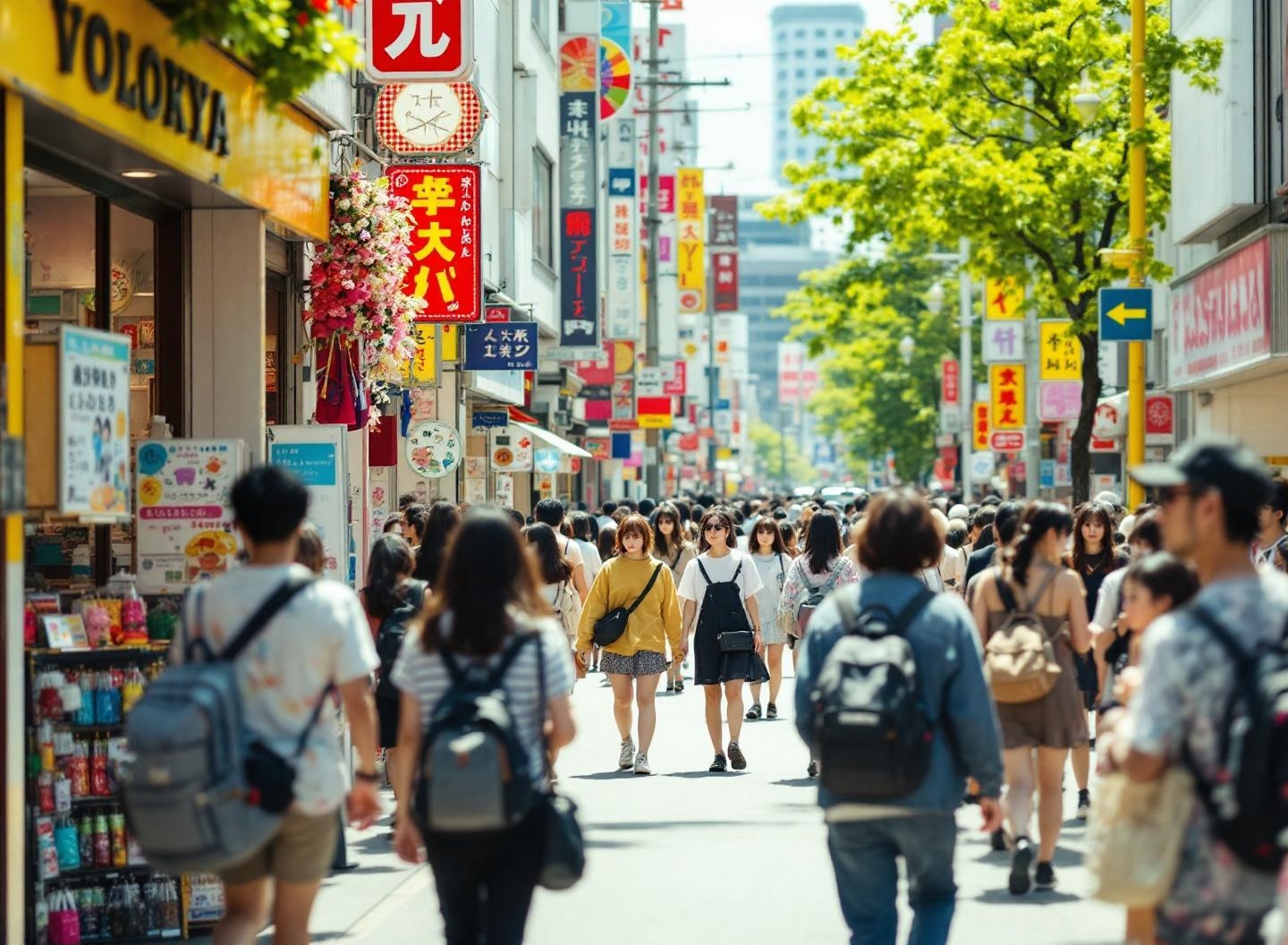
Harajuku runs two very different shopping experiences side by side. Takeshita-dori is a narrow pedestrian street of fast fashion, cosplay, crepe stands, and teen subculture — chaotic, cheap, and endlessly photogenic. Parallel to it, Omotesando is Tokyo’s most elegant shopping boulevard, lined with flagship architecture from Prada, Louis Vuitton, Tod’s, and the Omotesando Hills mall (designed by Tadao Ando).
Between the two extremes, the backstreets of Ura-Harajuku (sometimes called Cat Street) contain the most interesting concentration of independent Japanese fashion labels — Comme des Garcons, Visvim, and dozens of smaller designers with no overseas presence.
- Best for: Japanese fashion brands, vintage, luxury flagships, streetwear
- Getting there: Harajuku Station (JR Yamanote Line); Omotesando Station (Tokyo Metro Ginza/Chiyoda/Hanzomon lines)
- Price range: 500 yen t-shirts to 300,000 yen designer pieces
Ginza — Tokyo’s Luxury Core
Ginza is where Tokyo’s most prestigious retailers have clustered since the Meiji period. The main Chuo-dori avenue hosts flagship stores for every major international luxury brand plus iconic Japanese institutions: Mikimoto pearls (founded in Ginza), Itoya (a nine-floor stationery store unlike anything else on earth), and the Ginza Six complex housing 240 brands under one roof.
The Matsuya and Mitsukoshi department stores here are the best expression of Japanese department store culture — formal, impeccably staffed, with extraordinary food halls (depachika) in the basement that are worth visiting even if you buy nothing.
- Best for: Luxury brands, Japanese department stores, fine stationery, pearls
- Getting there: Ginza Station (Tokyo Metro Ginza/Hibiya/Marunouchi lines)
- Tip: Chuo-dori closes to traffic on weekend afternoons, creating a pedestrian promenade
Akihabara — Electronics and Anime
Akihabara is one of a kind. Originally Tokyo’s post-war black market for electronics components, it evolved into the world’s largest market for consumer electronics and then into the global capital of anime, manga, and gaming merchandise.
For electronics: BIC Camera and Yodobashi Camera (the main Akihabara store spans an entire city block) offer competitive prices on cameras, lenses, appliances, and gadgets, all with tax-free counters. Prices are competitive with online retailers and warranty service is reliable.
For otaku culture: multi-floor specialist shops like Animate, Mandarake, and Kotobukiya sell figurines, limited-edition merchandise, doujinshi (fan comics), trading cards, and cosplay supplies. The retro game shops (Super Potato is the most famous) are treasure troves for collectors.
- Best for: Cameras, electronics, anime merchandise, retro games, cosplay
- Getting there: Akihabara Station (JR Yamanote Line, Keihin-Tohoku Line, Tsukuba Express)
- Tip: Large electronics purchases qualify easily for tax exemption — bring your passport
Shibuya — Youth Culture and Trend Retail
Shibuya 109 (known as Maru-kyu) remains the flagship of Gyaru and young women’s fashion despite several rebranding attempts. The Scramble Square tower (the tall building above Shibuya Station) has a strong retail floor covering menswear, lifestyle goods, and a spectacular observation deck.
Shibuya Parco, redesigned in 2019, is the most interesting of the major malls — it dedicates multiple floors to artist collaborations, limited-edition streetwear drops, a Nintendo store, and a basement floor of vinyl records and alternative culture retail.
- Best for: Youth fashion, streetwear, pop culture, Loft (homeware and stationery)
- Getting there: Shibuya Station (JR Yamanote Line; multiple Metro lines)
Shinjuku — Department Stores and Everything Else
Shinjuku has the highest concentration of department stores in Tokyo: Isetan (the best), Takashimaya, Odakyu, and Keio are all within a 10-minute walk of the station’s west exit. Isetan Men’s building is consistently ranked among the world’s best menswear stores.
The east side near Kabukicho also has Bic Camera, Yodobashi Camera, and a concentration of discount shops and drugstores (drugstore shopping — cosmetics, skincare, snacks — is a legitimate tourist activity in Tokyo’s Don Quijote stores, open 24 hours).
- Best for: Department stores, menswear, electronics, discount retail, 24-hour Don Quijote
- Getting there: Shinjuku Station (JR Yamanote Line; multiple Metro lines)
Nakameguro — Independent and Design-Forward
Nakameguro along the canal is Tokyo’s most concentrated strip of independent design and lifestyle shops. Cowbooks (tiny but curated), the Traveler’s Factory (travel stationery), Hacoa (wooden goods), and dozens of clothing boutiques give this neighborhood a distinctly local, non-tourist character.
- Best for: Design objects, independent labels, artisan goods
- Getting there: Nakameguro Station (Tokyo Metro Hibiya Line, Tokyu Toyoko Line)
Shimokitazawa — Tokyo’s Vintage Capital
Shimokitazawa is the undisputed center of Tokyo’s vintage clothing scene. Dozens of shops selling carefully curated second-hand Japanese and American workwear, denim, flannels, and military surplus are concentrated in a walkable neighborhood of narrow lanes. Brands like Flamingo, New York Joe Exchange, and Stick Out Vintage anchor the scene.
Prices are reasonable by global vintage standards. Items are usually in excellent condition — the Japanese approach to second-hand clothing is thorough.
- Best for: Vintage clothing, denim, Americana, second-hand vinyl
- Getting there: Shimokitazawa Station (Odakyu Odawara Line, Keio Inokashira Line)
Ameyoko — Discount Market Under the Tracks
Ameyoko is a covered market running under the JR Yamanote Line tracks between Okachimachi and Ueno stations. It started as a black market after World War II and still feels like it operates just outside normal retail norms. Stalls sell dried seafood, nuts, import foods, sportswear, bags, cosmetics, and street food at prices well below department stores.
- Best for: Bargain shopping, food gifts, sportswear, casual goods
- Getting there: Okachimachi Station or Ueno Station (JR Yamanote Line)
What to Buy in Tokyo
Souvenirs Worth Buying
Wagashi (Japanese sweets): Available at all department store basement food halls. Individually packaged, shelf-stable options travel well. Look for items from Toraya, Tsuruya Yoshinobu, or regional producers.
Tea: High-quality matcha, gyokuro, and houjicha from specialist shops like Ippodo (Marunouchi) or Maruyama Nori pack flat and make excellent gifts.
Tenugui (hand towels): Functional, flat, and beautifully designed. Kamawanu in Daikanyama is the best specialist shop.
Furoshiki (wrapping cloth): Traditional fabric squares used for wrapping gifts. Multiple patterns and sizes available at department stores and specialty shops.
Knives and Kitchen Tools
Kappabashi — the professional kitchen supply street in Asakusa — is where to buy knives. Shops like Kama-asa and Sugimoto sell hand-forged Japanese knives directly to the public at professional prices. Budget 8,000–60,000 yen for a quality chef’s knife. Bring a knife roll or ask shops about protective cases for travel.
Electronics
Cameras and lenses are the strongest value proposition for foreign buyers, particularly used gear. Map Camera in Shinjuku has one of the world’s largest inventories of used cameras in excellent condition with clear grading. Lenses are often significantly cheaper than in Europe or North America.
Fashion
Japanese brands with limited or no overseas retail presence make the strongest purchases. Look for Nanamica, Teatora, Comoli, Digawel, Beams Plus, and Engineered Garments collaborations (available only in Japan).
Tax-Free Shopping Explained
Japan’s consumption tax is 10 percent. Foreign visitors on a tourist visa can reclaim this at point of sale at participating retailers when spending above a minimum threshold (typically 5,000 yen net per store per day).
How it works:
- Show your passport at checkout and state you want the tax exemption
- Some stores refund tax immediately and attach a receipt to your passport
- At the airport, your receipts may be checked at customs before departure
- Do not open or use purchases until you leave Japan (for clothing items — food is exempt from this rule but must be purchased separately)
Most major department stores, electronics chains, and shopping malls participate. Look for “Tax Free” signs. Smaller independent shops and vintage stores typically do not offer the exemption.
Consumption tax on food: A reduced rate of 8 percent applies to food and non-alcoholic beverages for take-away. In-restaurant dining is 10 percent.
Practical Shopping Tips
- Cash vs card: Japan is increasingly card-friendly, but small shops, markets, and older establishments often prefer cash. Carry 10,000–20,000 yen as backup.
- Bags: Plastic bags are charged at most retailers (3–10 yen). Bring a tote bag for daily shopping.
- Sizes: Japanese clothing sizes run small by Western standards. Always try before buying or check measurements carefully.
- Shipping home: Major department stores and electronics chains offer international shipping. EMS (Japan Post) is reliable for fragile items.
- Opening hours: Department stores typically open 10:00–20:00 or 21:00. Electronics stores often open 9:30 and close 21:00. Convenience stores are 24 hours.
For more on getting around Tokyo’s neighborhoods, see the Tokyo guide and best things to do in Tokyo. If shopping is part of a longer trip, Tokyo in 3 days shows how to fit a shopping afternoon around temples and food, and suica and pasmo IC cards covers the transit card you’ll want for hopping between districts.
Frequently asked questions
Is tax-free shopping worth the hassle in Tokyo? Yes for larger purchases — reclaiming 10 percent on a camera, electronics, or a full wardrobe of clothing adds up quickly; for a single 2,000 yen souvenir it’s not worth tracking receipts.
What’s the best single shopping area if I only have one afternoon? Harajuku and Omotesando together cover the widest range — from cheap street fashion on Takeshita-dori to luxury flagships a five-minute walk away — making it the most efficient single stop.
More tours on Viator
Top-rated experiences with verified reviews, bookable on Viator (a Tripadvisor company).
 Viator
Tokyo: Make Your Own Chopsticks Shibuya
FromUSD 11Check availability → Viator
Private Curated Tour | Get Tokyo’s Must Sees & Unique Insights
FromUSD 144Check availability → Viator
Akihabara Tailor-made Private Tour for Anime Fans
FromUSD 128Check availability → Viator
Experience all of Japanese culture and Japanese food experience classes "origami, udon, Japanese food, green tea, calligraphy" in 4 hours
FromUSD 89Check availability → Viator
Samurai Experience - Learn Bushido through Kendo, in Tokyo
FromUSD 128Check availability → Viator