Best Things to Do in Nagoya
Last updated: August 2026
Nagoya’s Underrated Appeal
Nagoya occupies a peculiar position in Japan’s travel landscape: it is the country’s fourth-largest city, one of its wealthiest, and the global headquarters of both Toyota and a cluster of aerospace and manufacturing industries — yet it remains consistently overlooked by international visitors doing the standard Tokyo–Kyoto–Osaka circuit. This is partly because Nagoya lacks the concentrated scenic beauty of Kyoto or the kinetic energy of Tokyo, but it is also partly undeserved reputation. The city has a genuine castle, one of Shinto’s holiest shrines, world-class automotive museums, and a food culture unlike anywhere else in Japan.
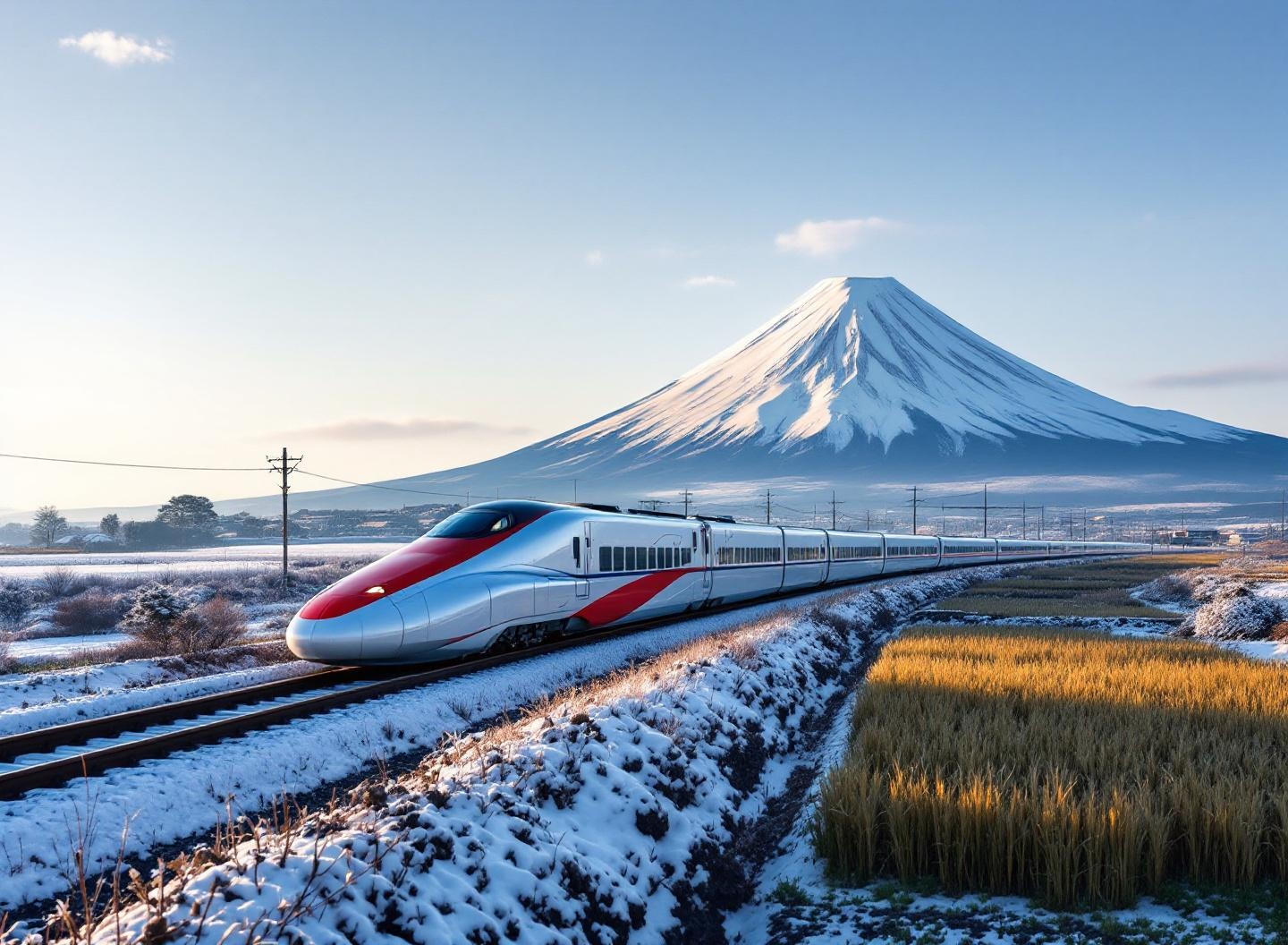
Nagoya sits directly on the Tokaido Shinkansen line between Tokyo and Osaka, making it trivially easy to include as a stop. Two full days give you the castle, the shrines, the museums, and the food. A serious food traveler could spend an entire day eating their way through what locals call “Nagoya meshi” — Nagoya cuisine — without repeating a dish.
At a Glance
| Where | Central Japan, on the Tokaido Shinkansen between Tokyo and Osaka |
| Time needed | 1 full day for the highlights, 2 days for the castle, shrines, museums and a proper Nagoya meshi crawl |
| Cost | Around 500 yen per site for most museums/castle; food runs roughly 700–5,500 yen per dish depending on the specialty |
| Getting there | Around 100 minutes from Tokyo or 50 minutes from Shin-Osaka by Nozomi Shinkansen |
| Best time | Spring and autumn for comfortable walking weather; the food scene is good year-round |
Nagoya Castle and Honmaru Palace
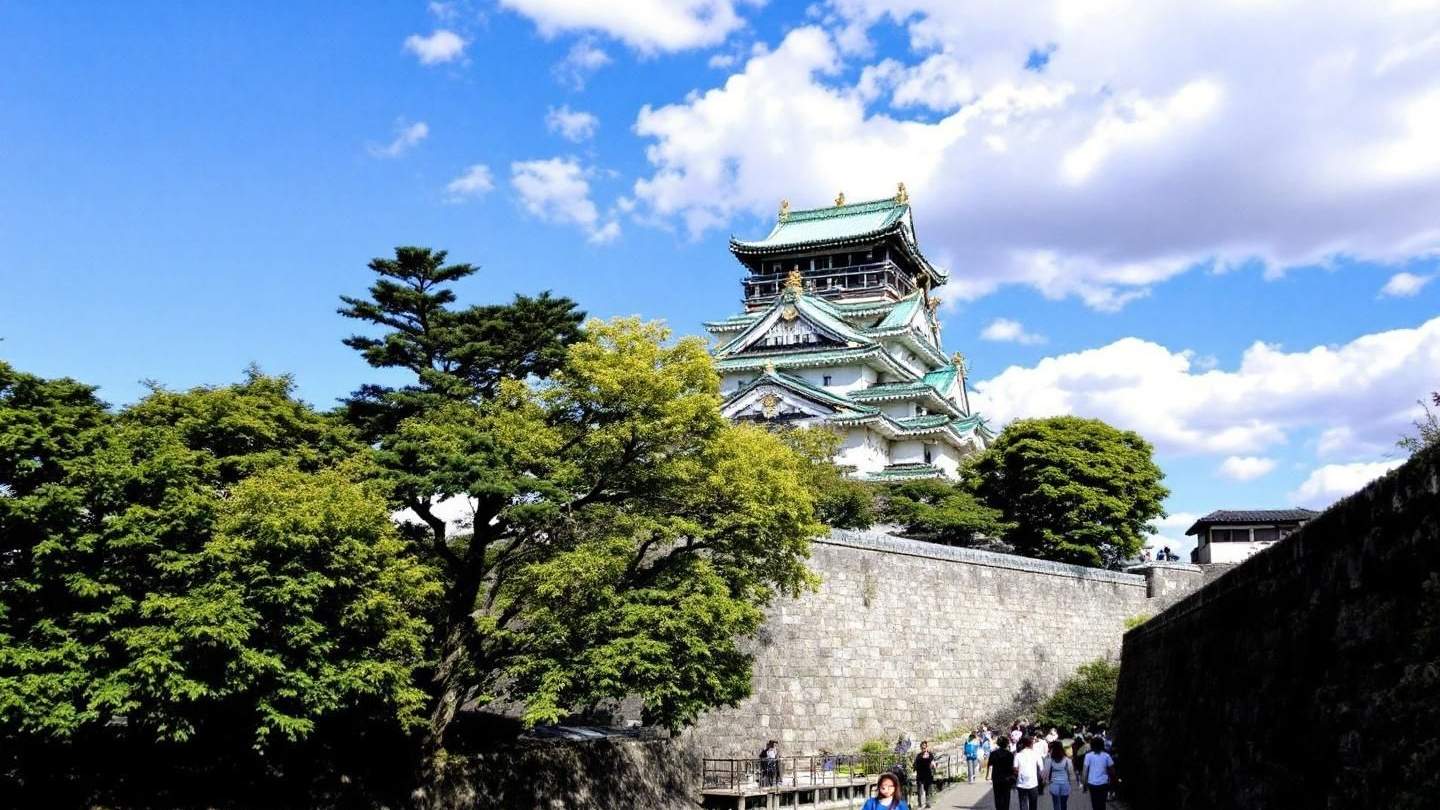
Nagoya Castle was originally built in 1612 under Tokugawa Ieyasu as the headquarters for the Owari domain, one of the three senior Tokugawa branch families. The castle keep is among the largest in Japan and is topped with two famous kinshachi — gold-plated bronze dolphin-like creatures that became the symbol of the city. The original keep was destroyed by Allied bombing in 1945; the current concrete reconstruction dates to 1959 and lacks an elevator, making the interior accessible mainly by stairs.
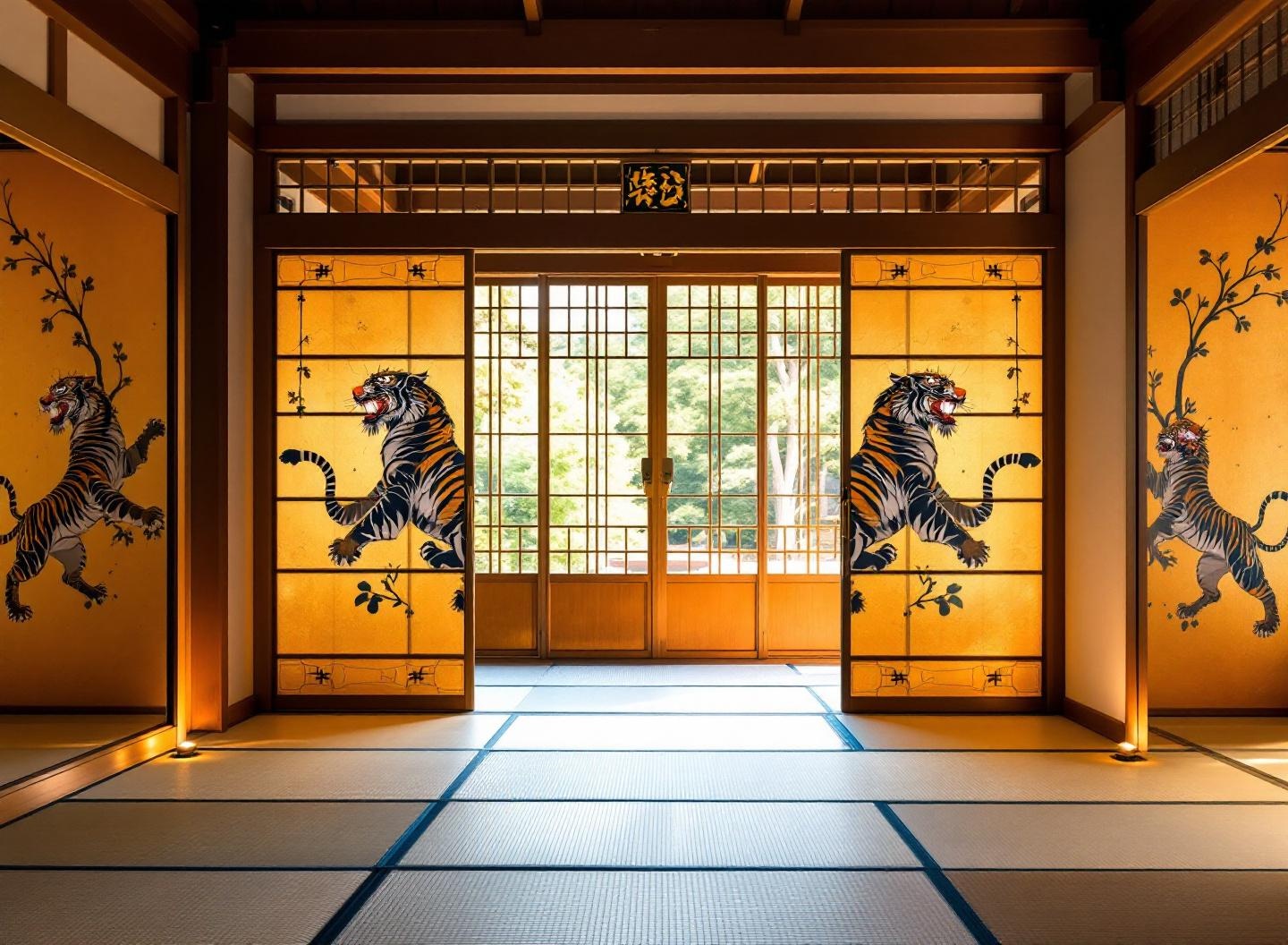
The adjacent Honmaru Palace is more interesting. This was the formal reception palace of the Owari lords, and the interiors — meticulously reconstructed between 2009 and 2018 using traditional techniques after the originals burned in 1945 — are among the finest examples of Japanese palace architecture open to the public. The shoin-style rooms are decorated with stunning gold-leaf fusuma (sliding door) paintings by Kano school artists, recreated from historical records and surviving photographs. The quality of the craft is extraordinary.
Admission: 500 yen (includes both the castle tower and Honmaru Palace). Open daily 9 am–4:30 pm, closed December 29–January 1. Access: Nagoya Castle Station on the Meijo subway line, 5 minutes on foot.
Atsuta Shrine
Atsuta Shrine is one of the most important Shinto shrines in Japan — second in sacred status only to the Grand Shrine of Ise. The shrine is said to enshrine the Kusanagi-no-Tsurugi, one of the three Imperial Regalia of Japan (the sacred sword that, along with the sacred mirror and jewel, forms the basis of imperial legitimacy). The sword is not publicly displayed and has not been viewed by anyone outside certain priests in recorded modern history.
Atsuta operates as a functioning place of worship with very few concessions to tourism, which makes it feel different from more visitor-oriented shrines. The main compound is relatively small, surrounded by a 6.2-hectare forested area that muffles traffic noise completely. The ancient camphor trees (some said to be 1,000 years old) give the grounds an atmosphere of genuine antiquity.
Admission is free. Open 24 hours (main buildings close in the evening). Access: Jingu-Nishi Station on the Meijo line (5 minutes walk) or Jingumae Station on the Meitetsu Nagoya Main Line (3 minutes walk).
Eat hitsumabushi nearby: The shrine’s most famous adjacent restaurant is Atsuta Horaiken, which has been serving hitsumabushi (see below) since 1873. The main branch is a five-minute walk from the shrine and operates on a queue system — expect waits of 30–90 minutes on weekends.
Osu Shopping District
Osu is Nagoya’s most interesting shopping neighborhood — a dense covered arcade district that mixes old-school shops, religious heritage, and youth culture in a way that feels more organic than most Japanese shopping areas. At its center is Osu Kannon, a large Buddhist temple with a friendly white pigeon population. The arcades radiate outward from the temple, selling vintage clothing, electronics, anime goods, foreign groceries, and food from a higher-than-average number of international stalls.
The district is particularly good for used and vintage items: second-hand clothing shops, retro gaming stores, and vinyl record shops occupy much of the upper-floor real estate above the ground-level food stalls. No admission charges; the arcades are always open, though most shops run 10 am–8 pm. Access: Osu Kannon Station on the Tsurumai subway line.
Toyota Commemorative Museum of Industry and Technology
Located on the site of Toyota’s original textile machinery factory in northern Nagoya, the Toyota Commemorative Museum is one of the best industrial museums in Japan — and one of the best of its kind in the world. Despite the Toyota branding, only about half the museum covers automotive production. The other half is devoted to the loom and textile machinery that Sakichi Toyota invented before his son Kiichiro pivoted the company to automobiles in the 1930s.
The working machinery exhibits are the highlight. Historic looms operate continuously under the supervision of museum staff, and the sheer mechanical complexity of the weaving machines is mesmerizing. The automotive section includes early Toyota prototypes, historic production lines, and one of the most thorough demonstrations of automated car manufacturing anywhere publicly accessible.
Admission: 500 yen. Open Tuesday–Sunday, 9:30 am–5 pm. Access: Sako Station on the JR Nagoya–Kansai Line (10 minutes walk), or a 15-minute taxi from Nagoya Station.
SCMAGLEV and Railway Park
The SCMAGLEV and Railway Park is operated by JR Central and houses Japan’s most comprehensive collection of Shinkansen trains, including a full-size Series 0 bullet train (the original, dating to 1964) and a SCMaglev test vehicle that held the world land speed record of 603 km/h. The exhibit explains the history and technology of the maglev system that will eventually connect Tokyo and Nagoya in 40 minutes (currently under construction; opening projected for 2027 at the earliest as of 2026).
The exhibits are thorough and genuinely interesting for non-specialists. The drivable Shinkansen simulator (requires advance booking, 3,500 yen extra) is popular with children and adults alike.
Admission: 1,000 yen. Open Tuesday–Sunday, 10 am–5:30 pm (last entry 5 pm). Access: Kinjofuto Station on the Aonami Line from JR Nagoya Station (about 25 minutes, 360 yen).
Nagoya Food (Nagoya Meshi)
No Japanese city takes as much pride in its local cuisine as Nagoya, and the locals are somewhat defensive about it — “Nagoya meshi” (Nagoya cuisine) is a marketing-adjacent term, but the dishes themselves are genuinely distinct and worth the attention.
Hitsumabushi is the dish most worth seeking out. Grilled freshwater eel (unagi) over rice, served in a wooden tub (ohitsu), is eaten in three sequential ways from the same bowl: plain, then with condiments (wasabi, nori, spring onion, dashi broth), then as ochazuke (poured over with green tea or dashi). The version at Nagoya’s top restaurants uses locally raised eel and a specific charcoal-grilling technique. Prices run 3,500–5,500 yen for a full set. Beyond Atsuta Horaiken, Maruya (multiple locations near Nagoya Station) is consistent and more accessible on weekdays.
Kishimen are flat, wide wheat noodles — the distinctive Nagoya noodle, served in a dashi broth with soy, topped with kamaboko fish cake, dried bonito flakes, and spinach. The flat width gives them a silky texture that differs from standard udon. Available at most traditional restaurants and notably at the platform noodle stand inside Nagoya Station (one of the few station food stands worth deliberately stopping for). Price: 550–850 yen.
Miso nikomi udon is udon simmered in an Aichi-style red miso (hatcho miso) broth, typically in a clay pot, with chicken, tofu, and sometimes egg. The broth is significantly more intense and saltier than standard udon soup. Yamamotoya Honten (main branch near Sakae) is the city’s benchmark, with sets from around 1,200 yen.
Tebasaki (chicken wings) prepared Nagoya-style means deep-fried twice for maximum crispness, then brushed with a sweet-savory soy-based sauce and topped with sesame seeds. Furaibo and Sekai no Yamachan are the two chains that defined the style, both with multiple city locations. A serving of five wings runs 700–900 yen.
Taiwan ramen — a Nagoya invention despite the name — is a thin-noodle ramen served in a chili-heavy pork broth topped with minced pork and green onion. Spicier than standard ramen by design. Created at Misen, a Taiwanese-owned restaurant in Nagoya in the 1970s, and now a fixture of the city’s food landscape. Bowls run 750–950 yen.
Ogura toast is a Nagoya breakfast institution: thick white bread toast topped with a generous spread of sweet adzuki bean paste (ogura an) and butter. The combination is sweeter than Western toast traditions but less sweet than you might expect. Available at most of the old-style coffee shops (kissaten) that are unusually dense in Nagoya. Most operate an extensive “morning service” (moringu) where a coffee order includes a free or deeply discounted toast set until 11 am.
Ankake spaghetti is perhaps the most bizarre Nagoya specialty — spaghetti served under a thick, spicy meat sauce that tastes somewhat like a cross between Japanese curry and bolognese, thickened to a gravy consistency. Invented in the 1960s. Available at Yokokane (central locations) and numerous specialty shops.
Sakae and Oasis 21
Sakae is Nagoya’s main commercial and nightlife district, centered around Hisaya Odori Park and the TV Tower. The Oasis 21 complex, designed by architect Kisho Kurokawa and opened in 2002, is a striking multi-level structure with a “Galaxy Platform” — a glass-floored elevated oval that creates an undulating roof above the basement-level bus terminal and sunken garden below. It functions primarily as a bus hub but the design is genuinely interesting and free to explore. Lit up at night, it photographs well. Access: Sakae Station on the Higashiyama or Meijo subway lines.
Day Trips from Nagoya
Ise Grand Shrine — the most sacred Shinto site in Japan — is 90 minutes from Nagoya by the Kintetsu Limited Express (around 3,250 yen one-way). A day trip is entirely feasible and represents one of the more significant cultural experiences accessible from a Nagoya base.
Takayama — the well-preserved Edo-period merchant town in the Japanese Alps — is 2.5 hours from Nagoya by Hida Limited Express (5,610 yen one-way). The scenic mountain journey through river valleys is itself worth the trip.
Inuyama Castle, 30 minutes north of Nagoya on the Meitetsu Inuyama Line (570 yen), is one of Japan’s twelve original, unreconstructed castle towers (surviving from before the Meiji era). Small, hillside, and genuinely old, it is a more atmospheric castle experience than Nagoya Castle’s concrete reconstruction.
Getting to Nagoya
By Shinkansen: Nagoya is on the Tokaido Shinkansen between Tokyo and Osaka. From Tokyo: approximately 100 minutes by Nozomi (11,090 yen). From Shin-Osaka: approximately 50 minutes by Nozomi (6,680 yen). From Kyoto: approximately 35 minutes (5,940 yen).
By bus: Highway buses from Tokyo (Shinjuku) take 5–6 hours and cost 2,000–4,500 yen — a viable overnight option on budget trips, and worth weighing against the Shinkansen using the Shinkansen vs night bus comparison.
Nagoya Station is enormous and sprawling. The main Shinkansen exit (Central Exit) faces Meieki — the city center. Most destinations are accessible by the Nagoya Municipal Subway, which covers all major tourist sites efficiently. For general Shinkansen booking mechanics and seat reservations, see how to use trains in Japan; if you are weighing a JR Pass against point-to-point tickets for a Tokyo-Nagoya-Kyoto-Osaka route, the Japan passes and deals guide has the maths.
A Two-Day Nagoya Plan
Nagoya rewards a second day more than most Japanese cities its size, mainly because the food alone justifies the extra time.
| Day | Morning | Afternoon | Evening |
|---|---|---|---|
| Day 1 | Nagoya Castle and Honmaru Palace | Osu shopping district and Osu Kannon | Hitsumabushi at Atsuta Horaiken near Atsuta Shrine |
| Day 2 | Toyota Commemorative Museum | SCMAGLEV and Railway Park | Tebasaki and a kissaten “morning service” the next day, or Sakae/Oasis 21 at night |
If you only have one day, prioritize the castle, Atsuta Shrine, and one Nagoya meshi meal — the museums are excellent but the first two are what make Nagoya distinct from anywhere else in Japan.
Where Nagoya Fits in a Wider Trip
Nagoya works best as a deliberate stop rather than a rushed transfer. Travelers connecting Tokyo to Kansai often skip it entirely because the Shinkansen makes bypassing it so easy, but a single overnight breaks up the journey and adds a city most itineraries never touch. If your route already includes Kyoto or Osaka, Nagoya slots in cleanly as a half-day detour on the way between them, and the Japan itinerary planner can help you work out where the extra day comes from.
Frequently asked questions
Is Nagoya worth visiting on a Japan trip? Yes, particularly for a second or third trip to Japan, for food-focused travelers, or as a planned overnight break on the Tokyo-Kyoto-Osaka Shinkansen route. First-time visitors with under a week should prioritize Kyoto, Osaka, and Nara first.
How many days do you need in Nagoya? One full day covers the castle, Atsuta Shrine, and a Nagoya meshi meal. Two days allow the Toyota museum, the SCMAGLEV park, and a more relaxed pace through the food scene without repeating dishes.
More tours on Viator
Top-rated experiences with verified reviews, bookable on Viator (a Tripadvisor company).
 Viator
Peaceful Hiroshima & Miyajima UNESCO 1 Day Bus Tour
FromUSD 124Check availability → Viator
World Heritage Shirakawa-go and Experience Tours from Kanazawa
FromUSD 118Check availability → Viator
World Heritage Kyoto & Nara Uji Authentic Matcha Experience
FromUSD 124Check availability → Viator
Nara Half Day Trip Walking Tour (Private Option Available)
FromUSD 101Check availability → Viator
Hiroshima Peace (Heiwa) Walking Tour at World Heritage Sites
FromUSD 91Check availability → Viator