Japan Travel Budget Guide
Last updated: March 2026
How much does a trip to Japan cost per day?
Budget travelers can manage on 6,000-10,000 yen per day. Mid-range travelers should budget 15,000-25,000 yen. Comfortable/luxury travelers should plan for 30,000-50,000+ yen. These figures exclude international flights.
Japan has a reputation as an expensive destination. That reputation is partly deserved and partly outdated. At the top end — Michelin-starred kaiseki restaurants, high-end ryokan in Hakone, private taxis between cities — Japan can cost extraordinary amounts. But at the budget end, Japan is one of the best-value developed countries in Asia. A filling ramen lunch costs ¥800–¥1,200. A clean bed in a guesthouse hostel runs ¥3,000–¥5,000 per night. The yen has weakened significantly against the US dollar and euro over the past several years, making Japan noticeably more affordable for international visitors than it was a decade ago.
The key is understanding where the money goes and making deliberate choices. This guide works alongside our how to plan a trip to Japan step-by-step guide. For specific cost-saving transport strategies, see our JR Pass guide and our trains in Japan guide.
All Prices Are in Japanese Yen (JPY)
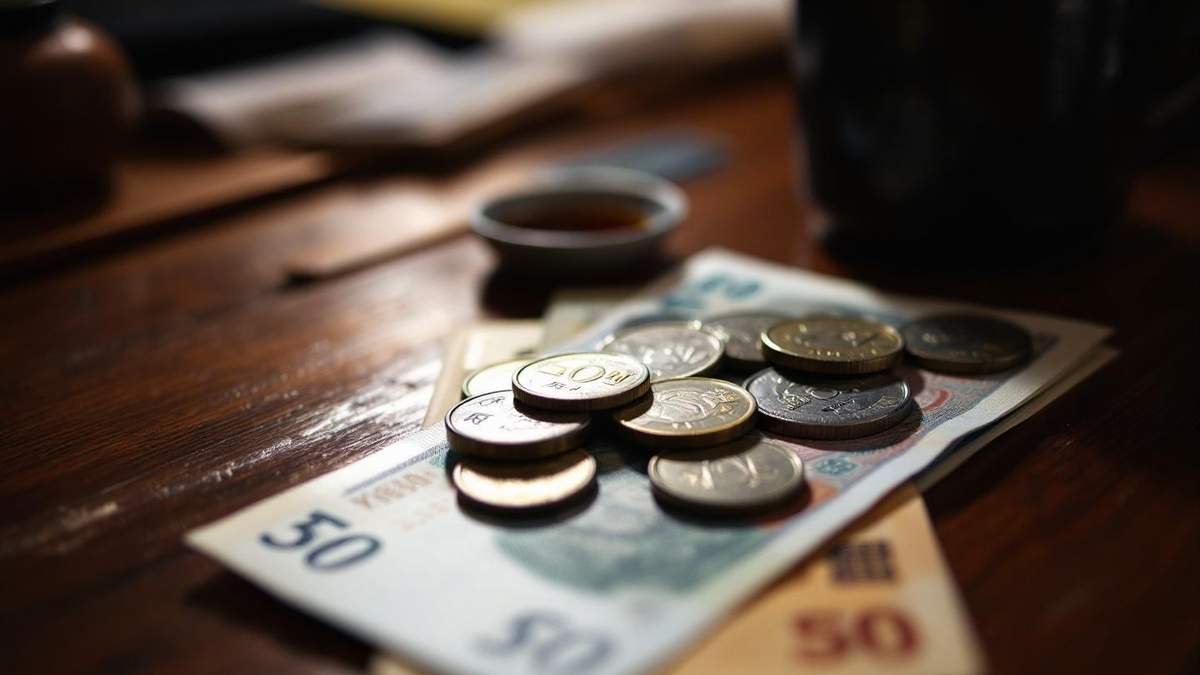
All prices in this guide are in Japanese yen as of 2026. For rough reference: at the time of writing, 150 yen equals approximately 1 US dollar, and approximately 0.85 euros. Check current exchange rates before travel.
The Three Budget Tiers
Budget Traveler: 6,000-10,000 yen per day
This is genuinely achievable if you are willing to:
- Sleep in hostel dormitories or budget guesthouses
- Eat mostly at convenience stores and cheap noodle/rice restaurants
- Use IC cards for all local transport
- Visit free or low-cost attractions
This is not a suffering budget. Japan’s convenience stores (7-Eleven, FamilyMart, Lawson) sell high-quality prepared food for ¥200–¥600 per item. Their onigiri (rice balls, ¥120–¥180), yakisoba noodles (¥300–¥450), sandwiches, and hot foods from the counter are genuine meals, not gas-station afterthoughts. Gyudon beef bowl restaurants (Yoshinoya, Matsuya, Sukiya) serve a complete meal with miso soup for ¥500–¥700. For context on these dishes, see our Japanese food guide.
Daily budget breakdown (budget tier):
- Hostel dorm bed: 2,500-4,500 yen
- Breakfast (convenience store onigiri + coffee): 300-500 yen
- Lunch (ramen, udon, gyudon): 600-1,200 yen
- Dinner (convenience store bento + snacks): 600-1,000 yen
- Local transport (IC card): 500-800 yen
- Entrance fees, average: 500-800 yen
- Total: approximately 5,000-8,800 yen
Add a small buffer for incidentals and this sits comfortably at 6,000-10,000 yen per day.
Mid-Range Traveler: 15,000-25,000 yen per day
The mid-range tier unlocks the majority of what makes Japan special — sit-down restaurant meals, a private hotel room, occasional cultural experiences, and some flexibility. This is the experience for most international travelers.
Daily budget breakdown (mid-range tier):
- Business hotel (private room): 7,000-12,000 yen
- Breakfast (hotel included, or coffee shop): 500-1,000 yen
- Lunch (teishoku set meal, soba restaurant): 1,000-1,800 yen
- Dinner (izakaya, mid-range Japanese restaurant): 2,500-4,500 yen
- Local transport (IC card plus occasional taxi): 1,000-1,500 yen
- Entrance fees and activities: 1,000-2,000 yen
- Snacks, drinks, sundries: 500-1,000 yen
- Total: approximately 13,500-23,800 yen
At the upper end of mid-range, you are eating well — fresh sushi at a conveyor belt restaurant (1,500-2,500 yen), yakitori at a good izakaya, tempura teishoku at lunch. You are sleeping comfortably. You are not scrimping.
Comfortable/Luxury Traveler: 30,000-80,000+ yen per day
At this level, the sky is genuinely the limit in Japan. A single kaiseki dinner at a notable Kyoto restaurant can cost 30,000-80,000 yen per person. A premium ryokan in Hakone with two meals included runs 30,000-80,000 yen per person per night. A private transfer from Osaka to Kyoto with a guide is possible for 20,000-40,000 yen. Japan’s luxury tier is world-class.
Daily budget breakdown (comfortable/luxury tier):
- Boutique hotel or mid-tier ryokan: 15,000-40,000 yen per person
- Breakfast (hotel included): included
- Lunch (specialty restaurant, kaiseki lunch which is often 50-60% of dinner price): 3,000-8,000 yen
- Dinner (specialized restaurant, kaiseki, premium sushi counter): 8,000-30,000+ yen
- Taxis and comfortable transport: 2,000-5,000 yen
- Activities, experiences: 2,000-10,000 yen
- Total: approximately 30,000-90,000+ yen per day
Accommodation Costs
Hostels and Budget Guesthouses
Japan has excellent hostels, many in renovated traditional buildings (machiya townhouses in Kyoto, old buildings in Tokyo). Dormitory beds range from 2,500 yen (basic) to 4,500 yen (stylish, with good amenity spaces) per night. Private rooms in hostels run 6,000-9,000 yen for a double.
Capsule Hotels
A uniquely Japanese experience — a sleeping pod roughly 2m x 1m, with curtain or lockable door, shared bathroom facilities. Good ones (particularly in Osaka and Tokyo) include excellent shared amenity areas with lounge spaces, luggage storage, and sometimes an onsen. Rates: 3,000-5,500 yen per night.
Business Hotels
The workhorse of Japanese accommodation. Toyoko Inn, APA Hotel, Dormy Inn, Super Hotel, and Vessel Hotel dominate this category. Rooms are compact (14-20 square meters) but have everything needed: private bathroom, air conditioning, good bed, fast WiFi, TV, and often a small writing desk. Rates: 7,000-14,000 yen per night for a single room in major cities. Dormy Inn properties often include a public bath (onsen or sento) in the building, making them particularly good value.
Mid-Range Western Hotels
International brands (Marriott, Hilton, Hyatt, IHG) are present in major cities. Rates typically 18,000-35,000 yen per night for a standard room. Facilities are good but the rooms are no better and often smaller than Japanese business hotels at a higher price. For most travelers, the Japanese business hotel option is a better value proposition.
Ryokan (Traditional Japanese Inn)
A ryokan is the gold standard of Japanese accommodation experience. You sleep on a futon laid out on tatami mats, wear a yukata robe, and if the ryokan has an onsen, you bathe in it. Most ryokan include two meals: dinner (often kaiseki-style multi-course) and breakfast (Japanese or Western option).
Budget ryokan: 8,000-12,000 yen per person per night (two meals). These are often older buildings with basic but authentic facilities.
Mid-range ryokan: 15,000-25,000 yen per person per night (two meals). Good food, good facilities, often private onsen access.
High-end ryokan: 30,000-80,000+ yen per person per night (two meals). Some of the finest hospitality experiences in the world. Hakone’s top ryokan (Gora Kadan, Hakone Ginyu) and Kyoto’s top inns (Tawaraya, Hiiragiya) command enormous prices with extraordinary results.
Food Costs
Convenience Store Meals: 200-700 yen per item
Japan’s convenience stores — 7-Eleven (Seven-Eleven Japan), FamilyMart, and Lawson — are not like convenience stores in other countries. They stock fresh-made food daily: onigiri, sandwiches, hot foods (fried chicken, steamed pork buns), prepared bento boxes, noodle dishes, desserts, and high-quality drinks. A full meal from a convenience store costs 600-1,000 yen. This is genuinely a legitimate dining option.
Ramen: 800-1,500 yen per bowl
Ramen restaurants are everywhere. A standard bowl of ramen with chashu pork and a soft-boiled egg runs 800-1,200 yen at most mid-level establishments. Adding extra toppings or a side of gyoza adds 200-400 yen. Famous ramen shops in Tokyo (Ichiran, Fuunji, Tsuta) may charge 1,000-1,500 yen. Premium tonkotsu in Fukuoka can be found from 800 yen.
Udon and Soba: 400-1,200 yen
Standing udon shops (Fuji Soba, Yudetaro, Namiki in various cities) are Tokyo’s great budget secret — a hot bowl of tempura udon costs 450-700 yen at a stand-and-eat counter. Sit-down soba restaurants with handmade noodles charge 1,000-2,000 yen for a full meal.
Gyudon and Rice Bowl Chains: 500-900 yen
Yoshinoya, Matsuya, and Sukiya serve beef bowls with miso soup and pickles for 500-750 yen. Tenya serves tendon (tempura on rice) for 600-900 yen. These are fast, filling, and legitimate meals, not fast-food aberrations.
Izakaya (Japanese pub dining): 2,500-5,000 yen per person
An izakaya dinner with drinks — yakitori skewers, edamame, tofu, fried chicken, small shared plates, beer — typically runs 2,500-4,000 yen per person at mid-range chains (Torikizoku charges a flat 360 yen per item including beer). At more refined izakaya, 4,000-7,000 yen per person is typical.
Sushi: 1,500-15,000+ yen per person
Conveyor belt (kaiten) sushi (Sushiro, Kura Sushi, Hama Sushi) runs 100-300 yen per plate for good-quality fish. A satisfying meal typically runs 1,500-2,500 yen. A proper sushiya counter (lunch) costs 3,000-8,000 yen. Omakase at a top counter: 20,000-50,000+ yen per person.
Kaiseki: 8,000-30,000+ yen per person (dinner)
Kaiseki is Japan’s formal multi-course haute cuisine. Lunch kaiseki at good restaurants costs 4,000-12,000 yen — roughly half the dinner price — and is one of Japan’s best value food experiences if the cuisine interests you.
Transport Costs
Local Trains and Subways: 150-350 yen per trip
Most single-ride urban train and subway trips cost 170-350 yen depending on distance. Using an IC card (Suica/Pasmo) charges the correct amount automatically. A day’s worth of local train travel in Tokyo or Osaka runs 600-1,200 yen typically.
Shinkansen: 3,000-14,500 yen per segment
| Route | Service | Non-Reserved Fare |
|---|---|---|
| Tokyo to Kyoto | Hikari | ¥13,080 |
| Tokyo to Osaka | Hikari | ¥13,620 |
| Tokyo to Hiroshima | Hikari | ¥18,040 |
| Osaka to Hiroshima | Hikari | ¥9,440 |
| Kyoto to Hiroshima | Hikari | ¥10,580 |
| Tokyo to Hakata (Fukuoka) | Hikari | ¥22,950 |
See our JR Pass guide to calculate whether the pass saves money on your specific route.
JR Pass vs Individual Tickets
The 7-day JR Pass (2026 price: approximately 50,000 yen) covers:
- All Hikari and Kodama shinkansen (not Nozomi — Japan’s fastest service)
- All JR local and limited express trains
- The JR Narita Express (N’EX) from/to Narita Airport
When the JR Pass pays off:
- Tokyo-Kyoto-Hiroshima-Kyoto-Tokyo in 7 days: Shinkansen costs alone exceed 50,000 yen
- Adding airport transfers and JR trains to Nikko, Kamakura, etc., pushes savings higher
When the JR Pass does not pay off:
- Tokyo only
- Kansai region only (Kyoto, Osaka, Nara)
- Short trips where few long-distance trains are used
Taxis: 700 yen starting meter, roughly 90 yen per 250m
Taxis are expensive for long distances but reasonable for short hops that are awkward by train. Apps like GO (Japan’s dominant ride-hailing app) make hailing taxis in cities straightforward. A short ride (10-15 minutes) typically costs 1,200-2,000 yen.
Airport Transfers
- Narita Airport to Tokyo: Narita Express (N’EX) ¥3,070 to Shinjuku/Ikebukuro/Shibuya; Airport Limousine Bus ¥2,700–¥3,200; covered by JR Pass
- Haneda Airport to Tokyo: Monorail to Hamamatsucho ¥600; Keikyu Line to Shinagawa ¥600
- Kansai Airport (KIX) to Kyoto: Haruka limited express ¥3,640 (¥2,150 with Icoca & Haruka pass)
- Kansai Airport to Osaka Namba: Nankai Airport Express ¥1,210
For Narita-specific options, our Narita to Tokyo guide covers every transport method in detail.
Activity and Entrance Fees
Most temples and shrines have modest entrance fees. Here are typical prices:
- Fushimi Inari (Kyoto): Free
- Kinkaku-ji (Golden Pavilion, Kyoto): 500 yen
- Arashiyama Bamboo Grove (Kyoto): Free (but nearby temple Tenryu-ji garden 1,000 yen)
- Hiroshima Peace Memorial Museum: 200 yen
- Miyajima Itsukushima Shrine: 300 yen
- teamLab Borderless (Tokyo): 3,200 yen
- Senso-ji Temple (Tokyo): Free
- Shinjuku Gyoen National Garden: 500 yen
- Universal Studios Japan (Osaka): 8,900-10,800 yen (day pass)
- DisneySea/Disneyland (Tokyo): 7,900-10,900 yen (one-day ticket)
- Hakone Open Air Museum: 1,800 yen
- Nijo Castle (Kyoto): 1,300 yen
- Osaka Castle: 600 yen
A sightseeing-heavy day in Kyoto with 3-4 paid sites typically costs 1,500-3,500 yen in entrance fees.
Sample 7-Day Budgets
Budget Traveler, 7 Days
| Category | Total |
|---|---|
| Accommodation (6 nights hostel dorm, 1 night budget guesthouse) | 22,000 yen |
| Food (convenience stores + ramen + occasional sit-down) | 28,000 yen |
| Transport (IC card + JR trains, no JR Pass) | 8,000 yen |
| Entrance fees | 5,000 yen |
| Sundries, snacks, drinks | 5,000 yen |
| Total (excluding international flights) | 68,000 yen |
Mid-Range Traveler, 7 Days
| Category | Total |
|---|---|
| Accommodation (5 nights business hotel, 1 night ryokan) | 90,000 yen |
| Food (mix of restaurants and convenience stores) | 55,000 yen |
| Transport (IC card + JR Pass 7-day) | 52,000 yen |
| Entrance fees and activities | 12,000 yen |
| Sundries, shopping | 15,000 yen |
| Total (excluding international flights) | 224,000 yen |
Comfortable Traveler, 7 Days
| Category | Total |
|---|---|
| Accommodation (mix of good hotels and mid-range ryokan) | 180,000 yen |
| Food (good restaurants every meal, one kaiseki dinner) | 110,000 yen |
| Transport (JR Pass + taxis) | 60,000 yen |
| Entrance fees, activities, experiences | 25,000 yen |
| Shopping and sundries | 40,000 yen |
| Total (excluding international flights) | 415,000 yen |
Sample 14-Day Budget (Mid-Range)
A two-week trip covering Tokyo, Hakone, Kyoto, Nara, Hiroshima, and Osaka:
- 14-day JR Pass: approximately 80,000 yen
- Accommodation (mix of business hotels and 2 ryokan nights): 140,000-200,000 yen
- Food (13 dinners, 14 lunches, occasional breakfast): 90,000-120,000 yen
- Local transport, buses: 10,000-15,000 yen
- Entrance fees: 15,000-20,000 yen
- Shopping, sundries, incidentals: 25,000-50,000 yen
- Total estimate: 360,000-485,000 yen (roughly 2,400-3,200 USD at 150 yen/dollar)
Money-Saving Tips
Eat at convenience stores strategically. Dinner from 7-Eleven after 8 PM sometimes includes markdowns on prepared foods. Breakfast from a convenience store before the day’s travel is both cheap and practical.
Use gyudon and udon chain restaurants for quick meals. Yoshinoya, Matsuya, Fuji Soba, and Nakau are everywhere and consistently good value.
Book accommodation mid-week. Business hotels charge significantly more on Friday and Saturday nights. If your itinerary allows, arrive in a city Sunday-Thursday.
Visit popular destinations outside peak season. A ryokan in Hakone during January or June costs 30-40% less than the same room during cherry blossom or autumn foliage peak.
Buy a Suica and use it everywhere. IC cards save small amounts on each ride vs. single-ride tickets, and they work at convenience stores and vending machines, eliminating the need to handle exact coins constantly.
Day-trip instead of overnighting. Staying in Osaka and day-tripping to Kyoto (30-minute shinkansen, or 40-minute JR Biwako Line) saves significant accommodation cost compared to staying in Kyoto where prices run higher. Read more budget strategies on Japan on a budget or our is Japan expensive explainer.
Eat kaiseki at lunch. Premium kaiseki restaurants often offer lunch courses at 3,500-7,000 yen that use the same kitchen and similar dishes as their 15,000-30,000 yen dinner menus.
Take overnight buses for long distances. If you opt not to purchase the JR Pass, overnight highway buses (JR Bus, Willer Express) connect major cities for 3,000-6,000 yen and save a night’s accommodation.
Hidden Costs to Watch For
Ryokan service charges: Most high-end ryokan include a “service charge” (typically 10-15%) on top of listed room rates. Read the fine print.
Onsen day passes: Many famous onsen can be visited for the day (day use / hiiru) for 800-1,500 yen, but you need to check hours — many require a minimum stay.
Luggage forwarding (takuhaibin): Sending luggage ahead to your next destination costs 1,500-2,500 yen per bag and is well worth the cost for shinkansen travel.
Coin lockers: Station coin lockers for day storage run 300-800 yen per half day. Budget for 1-2 per day on days you are not checking in somewhere.
Tourist passes: City tourist passes (e.g., Kyoto City Bus & Subway Pass at 1,100 yen per day, Tokyo Subway 24-hour pass at 800 yen) are worth calculating. They only save money if you make multiple rides per day.
Tipping
Japan has no tipping culture. Do not leave tips at restaurants, do not tip taxi drivers, and do not attempt to tip hotel staff. If you leave cash on the table, staff may run after you to return it. The service charge included at some high-end establishments is the only payment beyond the stated price that is expected.
Getting Cash
7-Eleven ATMs and Japan Post ATMs reliably accept foreign Visa, Mastercard, and Cirrus cards with English menus. Use these rather than airport exchange desks (poor rates). Japanese ATMs typically charge 110 yen per international transaction. Your home bank may charge an additional international fee — check this before travel and consider opening a fee-free travel account (Wise, Charles Schwab US, Starling UK) if your existing bank charges heavily for ATM withdrawals abroad.
Withdraw enough cash to cover 2-3 days of spending — about 20,000-30,000 yen — and replenish at 7-Elevens throughout the trip rather than carrying large sums.
Shopping Budgets
Shopping is one of Japan’s great pleasures and a significant cost category that many travelers underestimate. Japan produces extraordinary things at every price point: 100 yen shop curiosities, precision kitchen knives, hand-painted ceramics, textiles, electronics, cosmetics, and fashion that you genuinely cannot find at home.
Daiso and 100-yen shops: Functional travel items, snacks, stationery, basic kitchenware. Budget 500-2,000 yen for useful small items.
Donki (Don Quijote): Large discount variety stores open late (often 24 hours). Everything from electronics to snacks to cosmetics at lower prices than department stores. Popular with tourists for cosmetics, beauty products (Hada Labo, Shiseido lines, sheet masks), and Japanese snack hauls.
Matsumoto Kiyoshi and other drugstores: Japanese drugstore cosmetics are world-class and significantly cheaper in Japan than imported abroad. Budget 3,000-10,000 yen if cosmetics are important to you.
Electronics (Yodobashi Camera, BIC Camera, Akihabara): Good prices on cameras, accessories, electronics. Tourists can claim 8-10% tax refund (shohizei menzei) at designated stores by showing your passport — worthwhile on purchases over 5,000 yen.
Knife shops (Kappabashi, Kyoto Nishiki market, specialist shops in Osaka): Japanese kitchen knives are among the world’s best. A quality gyuto (chef’s knife) at a reputable shop starts around 8,000-15,000 yen for a reliable everyday blade; professional-grade knives in high-carbon steel run 25,000-80,000+ yen.
Department store (depato) basement food halls (depachika): Not primarily for buying large quantities, but excellent for bespoke sweets, regional specialties, and omiyage gifts. Budget 2,000-5,000 yen for a serious depachika visit.
Seasonal Price Variations
Japan’s accommodation and activity prices are not flat throughout the year. Understanding the pricing calendar helps budget travelers make their money go further.
Cheapest periods:
- January (after New Year, excluding ski resorts)
- February (excluding Sapporo Snow Festival window)
- Early June (rainy season)
- Early December (before Christmas/New Year rush)
Most expensive periods:
- Late March to mid-April (cherry blossom / spring school holiday season)
- Late April to early May (Golden Week)
- Mid-August (O-bon domestic holiday)
- Late November in Kyoto (peak autumn foliage)
- New Year window (December 28 - January 3)
During peak periods, accommodation prices can be 40-100% higher than the same room in low season. For a mid-range business hotel that costs 9,000 yen in January, expect 13,000-16,000 yen during cherry blossom peak. Ryokan in Kyoto or Hakone during peak foliage season routinely charge double or triple their off-season rates.
Practical Budget Scenarios
Scenario A: 7-Day Budget Backpacker Trip
Arriving at Narita, spending 4 days in Tokyo and 3 days in Kyoto:
- Keisei Limited Express from Narita to Ueno: 1,260 yen (both ways: 2,520 yen)
- Hostel dorm, 6 nights (average 3,500 yen): 21,000 yen
- Food (7 days at 2,500 yen average per day): 17,500 yen
- IC card local transport: 5,000 yen
- Tokyo-Kyoto shinkansen (Hikari, unreserved, one-way): 13,080 yen
- Entrance fees (Senso-ji free, Shinjuku Gyoen 500 yen, Kinkaku-ji 500 yen, Nijo Castle 1,300 yen): approximately 3,000 yen
- Sundries and incidentals: 3,000 yen
- Total in-Japan spend: approximately 65,100 yen (about 435 USD at 150 yen/dollar)
Scenario B: 10-Day Comfortable Mid-Range Trip
Tokyo, Hakone, Kyoto, Osaka:
- 7-day JR Pass: 50,000 yen
- 4 nights Tokyo (business hotel, 10,000 yen): 40,000 yen
- 1 night Hakone (mid-range ryokan per person, two meals): 20,000 yen
- 3 nights Kyoto (business hotel, 11,000 yen): 33,000 yen
- 2 nights Osaka (business hotel, 9,000 yen): 18,000 yen
- Food (10 days at 5,000 yen average per day): 50,000 yen
- Entrance fees and activities: 12,000 yen
- Local transport, taxis, IC card: 8,000 yen
- Shopping and souvenirs: 20,000 yen
- Total in-Japan spend: approximately 251,000 yen (about 1,673 USD)
These scenarios exclude international flights and travel insurance.
Value-for-Money Food Highlights Worth Knowing
Japan has a remarkable collection of very affordable high-quality food that is worth singling out for budget-conscious travelers.
Standing sushi bars (tachi-gui zushi): Some Tokyo neighborhoods (Tsukiji outer market, Ueno) have standing sushi counters where a piece of fresh nigiri costs 150-300 yen. Five or six pieces make a satisfying lunch for under 1,500 yen.
Lunch sets at mid-range restaurants (ranchi setto): Most Japanese restaurants offer a lunch set (ranchi setto or teishoku) priced at 30-50% below their dinner equivalent. The kitchen, ingredients, and quality are identical. A restaurant charging 8,000 yen for dinner may have a 2,000 yen lunch set with smaller portions of the same food. This is one of Japan’s great budget strategies.
Morning set at coffee shops (moninagu): Japanese coffee shops (Doutor, Komeda Coffee, local independents) offer “morning sets” before 10-11 AM: coffee plus toast and a boiled egg for 400-600 yen. Komeda’s Nagoya-style morning in particular is generous — a thick slab of toast with toppings and all drinks come with a free morning side.
Supermarket discount evening (ne-biki): Japanese supermarkets mark down prepared foods, sushi trays, and bento boxes by 20-50% after approximately 7-8 PM. If you are near a supermarket (Aeon, Ito-Yokado, Maruetsu, or regional equivalents) in the evening, this is where the best value food in Japan is found.
Yatai in Fukuoka: Fukuoka’s outdoor food stalls (yatai) — set up on the street along the Naka River and in Tenjin district — serve ramen, yakitori, oden, and gyoza at unpretentious low prices (1,500-2,500 yen for a full meal with a beer) in an atmosphere that is unique in Japan. Not budget in the conventional sense, but extraordinary value for experience.