Japan in Summer
Last updated: March 2026
Should I visit Japan in summer?
Summer (June to August) is hot and humid, with a rainy season in June-July. However, it offers Japan's best festivals (including Gion Matsuri), spectacular fireworks, beach access in Okinawa, lower prices, and fewer international tourists. With the right preparation, summer can be rewarding.
Japan in summer polarises opinion. The honest truth: late June through mid-August is hot, humid, and at times uncomfortable. Summer in Japan brings temperatures of 30–35°C in Tokyo with humidity above 70%, a rainy season that saturates the country in June and early July, and a typhoon window in August–September. Yet this same season delivers Japan’s most spectacular festival calendar, the planet’s best fireworks displays, stunning beach access in Okinawa, and pricing that is 20–40% lower than the peak spring season.
This guide gives you the tools to make a realistic decision about Japan summer travel and, if you choose it, to do it brilliantly.
The Japan Rainy Season (Tsuyu): What to Expect
The Japan rainy season — called tsuyu or baiu — is a meteorological front that sweeps across Japan from south to north, typically lasting 3–6 weeks per region. It is characterised not by constant rain but by a pattern of heavy downpours, overcast skies, thick humidity, and unpredictable breaks of sunshine.
Rainy Season Timing by Region
| Region | Typical Start | Typical End | Duration |
|---|---|---|---|
| Okinawa | ~May 8 | ~June 23 | ~6 weeks |
| Kyushu (Fukuoka) | ~May 31 | ~July 14 | ~6 weeks |
| Kansai (Kyoto, Osaka) | ~June 6 | ~July 19 | ~6 weeks |
| Kanto (Tokyo) | ~June 8 | ~July 20 | ~6 weeks |
| Tohoku (Sendai) | ~June 12 | ~July 25 | ~6 weeks |
| Hokkaido | No rainy season | — | Exempt |
Key insight: Hokkaido does not experience tsuyu. July and August in Hokkaido are the best months in Japan for those who want summer temperatures (18–24°C) without the oppressive heat and humidity of Honshu. Lavender fields in Furano peak in July. It is Japan’s best summer secret.
How to Manage the Rainy Season
Tsuyu does not mean you cannot sightsee. Many days during the rainy season are partly cloudy or merely overcast rather than raining. The practical strategies:
- Carry a compact umbrella at all times — sudden downpours last 30–90 minutes and then clear
- Plan indoor activities for afternoons (museums, covered markets, cooking classes)
- Visit temple gardens — hydrangeas (ajisai) bloom spectacularly during tsuyu, and famous hydrangea temples like Meigetsu-in in Kamakura and Hakusan Shrine in Tokyo are worth visiting specifically in June
- Book flexible accommodation — avoid resort-type outdoor-focused hotels during this period
Summer Heat Management in Japan
Post-rainy season (mid-July through August) brings genuinely challenging heat. Tokyo regularly exceeds 35°C with humidity at 80%+. Combined with the extensive walking a Japan trip requires, this demands specific strategies.
Practical heat management:
- Start early, rest midday: Begin sightseeing by 8:00–9:00 AM while temperatures are manageable. Retreat to air-conditioned spaces (department stores, museums, underground malls, cafes) from 11:00 AM to 3:00 PM. Resume in late afternoon.
- Carry cooling supplies: A cooling towel, portable fan (sold everywhere in Japan for ¥300–¥1,000), and a spray bottle with cool water are standard summer kit.
- Hydrate constantly: Japan has extraordinary density of vending machines (roughly 1 per 25 people) selling cold drinks for ¥150–¥200. Hydrating every 30–45 minutes is essential. Isotonic sports drinks are available everywhere.
- Wear moisture-wicking clothing: Cotton holds sweat and adds weight; quick-dry technical fabrics are far more comfortable in high humidity.
- Know the signs of heat exhaustion: Dizziness, heavy sweating, nausea. Japan has free cooling centers (hinan basho) at community centers and government buildings — look for the blue and white signs.
Japan Summer Festivals: The Top 10
Summer in Japan has the country’s most celebrated festival calendar. Japanese summer festivals (matsuri) are a defining cultural experience — fireworks, yukata-wearing crowds, street food stalls, portable shrine processions, and traditional performances.
| Festival | Location | Dates | What It Is |
|---|---|---|---|
| Gion Matsuri | Kyoto | All of July (parades July 17, 24) | Japan’s most famous festival; massive floats |
| Awa Odori | Tokushima | August 12–15 | Mass street dance festival; 1.3 million attendees |
| Nebuta Matsuri | Aomori | August 2–7 | Giant illuminated paper floats through streets |
| Kanto Matsuri | Akita | August 3–6 | Balancing 46 lanterns on bamboo poles |
| Tenjin Matsuri | Osaka | July 24–25 | River-borne procession, massive fireworks |
| Sumida River Fireworks | Tokyo | Last Sat July | Japan’s most famous fireworks; 20,000 shells |
| Nada no Kenka Matsuri | Himeji | October 14–15 | Rival shrine floats crash into each other |
| Obon festivals | Nationwide | Mid-August | Ancestral spirit commemoration; bon odori dance |
| Hanabi (Fireworks) — Long Island | Omagari, Akita | Late August | Japan’s premier competitive fireworks |
| Yosakoi Soran | Sapporo | June (Hokkaido) | 50,000 dancers in Japan’s most dynamic festival |
Gion Matsuri in Kyoto is the crown jewel of Japanese summer festivals. The entire month of July builds toward two grand processions featuring towering yamaboko floats — some over 25 metres tall, pulled by teams of men through the old city streets. The evenings of July 14–16 and 21–23 (yoi-yama, or eve festivals) are when the street stalls fill the neighbourhood and the floats are displayed — these evenings have a magical atmosphere unlike anything else in Japan.
Japan Fireworks Calendar
Hanabi (fireworks) is the quintessential Japanese summer experience. Fireworks displays in Japan are far more elaborate and technically advanced than those in most countries — some fire 20,000–40,000 shells over 90 minutes with precise choreography to music.
| Fireworks Event | Location | Date | Scale |
|---|---|---|---|
| Sumida River Fireworks | Tokyo | Last Saturday in July | 20,000 shells |
| Edogawa Fireworks | Tokyo (Edogawa) | First Saturday August | 14,000 shells |
| Nagaoka Festival Fireworks | Nagaoka, Niigata | August 2–3 | 20,000 shells; considered Japan’s finest |
| Omagari National Fireworks | Omagari, Akita | Last Saturday August | Competition; judges evaluate technical quality |
| PL Fireworks | Tondabayashi, Osaka | August 1 | 100,000 shells in one night |
| Lake Suwa Fireworks | Suwa, Nagano | August 15 | Lakeside; reflected in water |
For attending hanabi, arrive 2–3 hours early to secure a viewing spot. Wear yukata (summer kimono) if you want the full local experience — rental sets are available near most festival grounds for ¥2,000–¥5,000.
Beaches in Japan: Summer Access
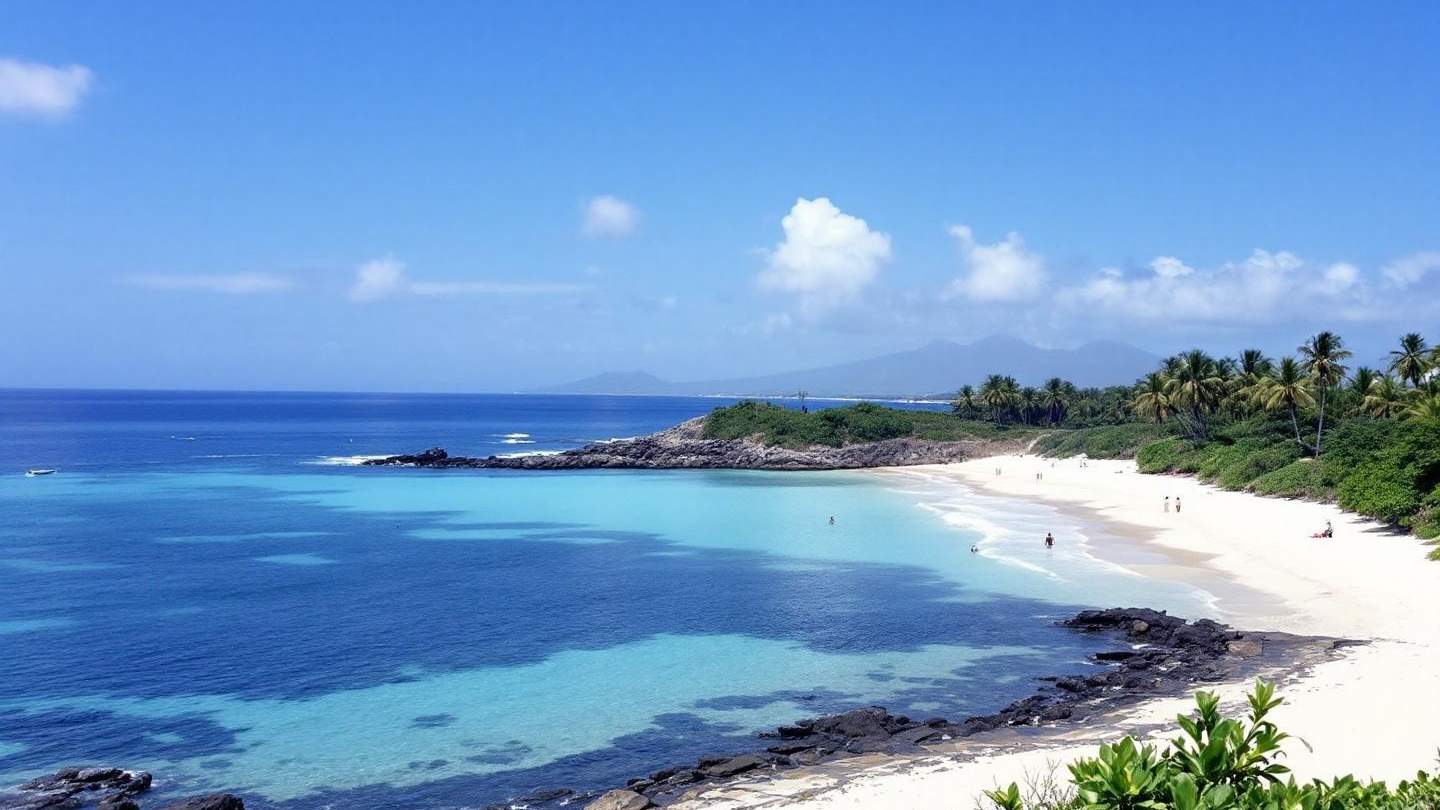
Summer in Japan opens the country’s beach season. Japan has an extraordinary coastline, from the tropical reefs of Okinawa to the rugged volcanic beaches of Hokkaido.
Okinawa: Japan’s only subtropical island chain; water temperatures reach 28–30°C in summer. The best beaches include Emerald Beach (Okinawa Churaumi Aquarium complex), Katsuren Peninsula beaches, and the Kerama Islands (Zamami-jima, Tokashiki-jima). Access: fly from Tokyo (3 hours), Osaka (2 hours) or Fukuoka (1.5 hours). Prices for flights to Okinawa drop in June (rainy season) and rise sharply in late July–August.
Shonan coast: 1 hour from Tokyo by train, the Shonan coast (Kamakura, Enoshima, Zushi) is Tokyo’s accessible beach escape. Crowded on summer weekends but convenient for combining with Kamakura sightseeing.
Izu Peninsula: Beautiful beaches 2 hours from Tokyo; the peninsula has volcanic hot springs alongside beach towns, making it a distinctive summer destination.
Note on sea conditions: Jellyfish are present on many Japanese beaches in August. Swimming is typically restricted to designated areas patrolled by lifeguards, which are only open July–August.
Hokkaido: Japan’s Summer Escape
Hokkaido is the answer to everyone who wants to visit Japan in summer but dreads the heat. Japan’s northernmost island sits out of the tsuyu rainy season entirely and stays 10–15°C cooler than Tokyo throughout July and August.
July in Furano brings the famous lavender fields: purple hillsides rolling toward distant mountains, the scent carried by a cool breeze. July–August in Biei offers a patchwork of flower farms with distinctly un-Japanese skies. Sapporo in summer is a pleasant, liveable city with beer gardens, excellent seafood, and a craft beer scene.
Hokkaido’s summer temperatures average 18–24°C — the same as a good English summer, with clear skies and manageable humidity. For visitors who find the rest of Japan too hot, Hokkaido is the answer.
Typhoon Season
Japan’s typhoon season runs from June through October, with peak risk in August and September. Most typhoons track from the Pacific through Okinawa and up the Pacific coast of Kyushu and Honshu.
Practical reality: Typhoons are forecast with 5–7 days’ advance notice. Most tropical storms weaken before making landfall. When a serious typhoon is imminent, transport (flights, Shinkansen) is proactively cancelled 12–24 hours in advance. Train services resume quickly after a storm passes.
Travel insurance: Typhoon cancellation is a real risk in August–September. Travel insurance with trip interruption coverage is strongly recommended for summer Japan trips. See our plan a trip guide for insurance advice.
What to Pack for Summer in Japan
June (rainy season):
- Light, quick-dry clothing
- Compact umbrella (non-negotiable)
- Waterproof sandals or shoes
- Light rain jacket that packs small
- Portable phone charger
July–August (hot season):
- Moisture-wicking light tops (2–3 colours for mixing)
- Loose-fitting trousers or shorts
- Portable folding fan
- Cooling towel
- SPF 50 sunscreen (Japan sells excellent sunscreen in convenience stores)
- Insect repellent (mosquitoes are active in forested areas)
For festivals:
- Yukata (optional but wonderful) — rental is easy and affordable near festival grounds
- Comfortable sandals or geta (wooden clogs, available to rent with yukata)
See our complete what to pack for Japan guide for a full breakdown by season.
Summer Budget Advantages
Japan in summer — particularly June and early July — offers some of the best value in the Japanese tourism calendar. International tourist numbers are lower than spring or autumn, and hotels in most cities price competitively:
| City | Spring Peak Price (Typical) | Summer Off-Peak (June–July) | Saving |
|---|---|---|---|
| Tokyo (mid-range hotel) | ¥18,000–¥30,000 | ¥9,000–¥15,000 | ~40% |
| Kyoto (mid-range hotel) | ¥20,000–¥40,000 | ¥10,000–¥18,000 | ~45% |
| Osaka (mid-range hotel) | ¥14,000–¥22,000 | ¥8,000–¥13,000 | ~40% |
| Okinawa resort | ¥18,000–¥35,000 (July–Aug) | ¥12,000–¥20,000 (June) | ~30% |
Note: Late July and August prices rise due to Japanese domestic school holidays (Obon season). The best value window is June through mid-July.
Is Japan in Summer Right for You?
Choose summer if: You are specifically targeting Japan’s great festivals (Gion Matsuri, Awa Odori, Nebuta); you want beach access; you have a budget constraint; you plan to base yourself in Hokkaido; or you are flexible and excited about the unique summer atmosphere even if it is hot.
Avoid summer if: You are highly sensitive to heat and humidity; you have young children or elderly travellers in your group who struggle with 35°C days; or your primary goal is efficient sightseeing across multiple cities.
Best summer combination: 3 days in Tokyo for festivals and food, 3 days in Kyoto for Gion Matsuri (if in July), 3–4 days in Hokkaido for cool air and lavender. This circuit manages the heat intelligently by ending in Japan’s most temperate summer destination.
For detailed itinerary planning, visit our plan a trip to Japan guide.
Summer Food in Japan
Summer in Japan brings a distinct food culture centred on refreshment, light flavours, and seasonal specialities that are unavailable at other times of year.
Kakigori (shaved ice): Japan’s shaved ice is not the coarse slush of other countries — it is an ultra-fine, snow-like texture that absorbs flavoured syrups completely. Premium kakigori shops offer seasonal fruit syrups, red bean paste, condensed milk layers, and fresh fruit inserts. A high-end kakigori at a specialist shop costs ¥900–¥1,800 and is worth every yen. Look for kakigori shops in Kyoto’s historic district and Tokyo’s Yanaka neighbourhood.
Hiyashi chuka (cold ramen): One of Japan’s best summer dishes — chilled noodles with cold toppings (cucumber, corn, egg, sesame sauce) served as a refreshing alternative to hot noodle soups. Available at ramen shops from June and often displayed on menus with the phrase “available now” when the season begins. Cost: ¥800–¥1,400.
Fresh somen: Thin white noodles served in ice water — the pinnacle of Japanese summer minimalism. Many traditional restaurants in Kyoto serve nagashi somen (flowing somen) in which noodles travel down a bamboo flume and you catch them with chopsticks.
Unagi (grilled eel): Doyo no Ushi no Hi — the traditional midsummer “Day of the Ox” (typically late July) is when Japan consumes enormous quantities of grilled eel, believed to provide stamina for summer heat. Unagi kabayaki (eel grilled with sweet soy glaze over rice) is available year-round but at its freshest in summer. A proper unaju (eel rice bowl) at a specialist restaurant costs ¥3,000–¥8,000.
Edamame and beer: Summer izakaya culture revolves around cold beer, edamame (salted young soybeans), and cold tofu. This is Japan’s default summer evening experience — supremely simple, deeply enjoyable.
Summer fruits: Japanese fruit is exceptionally high quality. Summer brings white peaches (excellent from July), Kyoho grapes (August), watermelon (available at festivals and konbini, sometimes sold by the slice), and fresh figs.
Summer Festivals in Detail
The ten festivals listed earlier each deserve individual attention:
Gion Matsuri (Kyoto, all July): Japan’s most famous festival spans the entire month. The climax is two grand processions on July 17 and July 24 — enormous decorated floats (yamaboko), some 25 metres tall and weighing 12 tonnes, pulled through the narrow streets of central Kyoto by teams of hundreds. The evenings of July 14–16 and 21–23 are the yoiyama (eve festival) when the floats are displayed lit up in the streets, food stalls fill the blocks around Shijo-Karasuma, and the old commercial district feels medieval and alive simultaneously. Kyoto hotel rooms during Gion Matsuri month are in high demand — book 2–3 months ahead.
Awa Odori (Tokushima, August 12–15): Japan’s largest and most exuberant street dance festival. Awa Odori began as a Buddhist Obon celebration roughly 400 years ago and has evolved into a 4-day city-wide dance in which over 100,000 performers in traditional costume parade through the streets in competing dance troupes (ren). Spectators are invited into designated areas and encouraged to join. Attendance exceeds 1.3 million visitors. Paid viewing stands (¥1,000–¥4,000) guarantee good views; free spots along the route are accessible with early arrival.
Nebuta Matsuri (Aomori, August 2–7): Spectacular illuminated paper-and-wire sculptures of mythological figures and warriors — some the size of buses — are hauled through the streets of Aomori at night to the sound of drums and flutes, while dancers (haneto) jump rhythmically alongside. The final evening features a water parade with the sculptures loaded onto boats. Tohoku’s most visually extraordinary festival.
Visiting Japan in Summer: Honest Assessment
The most valuable thing this guide can do is give you an honest assessment of Japan in summer rather than just listing positives.
Days that are genuinely difficult: A 35°C, 85% humidity day in central Tokyo or Osaka with a full temple itinerary is exhausting. By early afternoon the heat becomes oppressive, and if you have not planned for long midday rest periods in air-conditioned spaces, you will suffer. This is not weather you can simply push through if you are unfit, elderly, very young, or heat-sensitive.
Days that are wonderful: A summer morning in Kyoto’s Philosopher’s Path at 7:30 AM, before the heat builds and before the crowds arrive, with hydrangeas and moss and cicada sound. An evening at a rooftop beer garden in Shinjuku with the city spread below and a summer breeze. The electric atmosphere of Gion Matsuri evening streets at 9:00 PM. A morning boat trip on Okinawa’s reef in warm clear water. Summer Japan at its best is genuinely special — it just requires timing your activities correctly.
The Hokkaido solution: For visitors who want Japan’s summer cultural energy without the heat, basing 4–5 days in Hokkaido makes the overall summer trip significantly more comfortable and rewarding.
Summer Accommodation Tips
Summer accommodation in Japan has distinct patterns:
| Timing | Tokyo Prices | Kyoto Prices | Notes |
|---|---|---|---|
| June (rainy season) | ¥8,000–¥14,000 | ¥9,000–¥16,000 | Lowest of summer |
| July (school holidays start) | ¥10,000–¥18,000 | ¥11,000–¥20,000 | Gion Matsuri period higher |
| August (O-bon) | ¥12,000–¥20,000 | ¥12,000–¥22,000 | Domestic travel peak |
| Late August | ¥9,000–¥16,000 | ¥9,000–¥18,000 | Prices ease after O-bon |
Okinawa exception: Okinawa resort prices are highest in July and August (Japanese domestic summer holiday demand) and drop significantly in June (rainy season) and September (typhoon risk period but weather often excellent).
Summer Transport Notes
The Japan rainy season and summer heat affect transport in specific ways:
- JR Pass in summer: Works identically year-round. The key summer consideration is Shinkansen reserved seats during O-bon (August 10–16) — these sell out 1 month ahead. Book immediately.
- Typhoon disruption: When a typhoon is forecast, JR proactively cancels services 12–24 hours ahead. If cancelled, you can typically defer your JR Pass day (check JR East current policies).
- Airport access: Both Narita and Haneda handle summer operations normally. Allow extra time at Narita during summer peak weeks (late July, O-bon) when immigration queues can be significant.
- Okinawa flights: Book early for July and August. Okinawa domestic flights from Tokyo sell out 1–2 months ahead during peak summer.
See our Narita to Tokyo guide for current airport transport options.