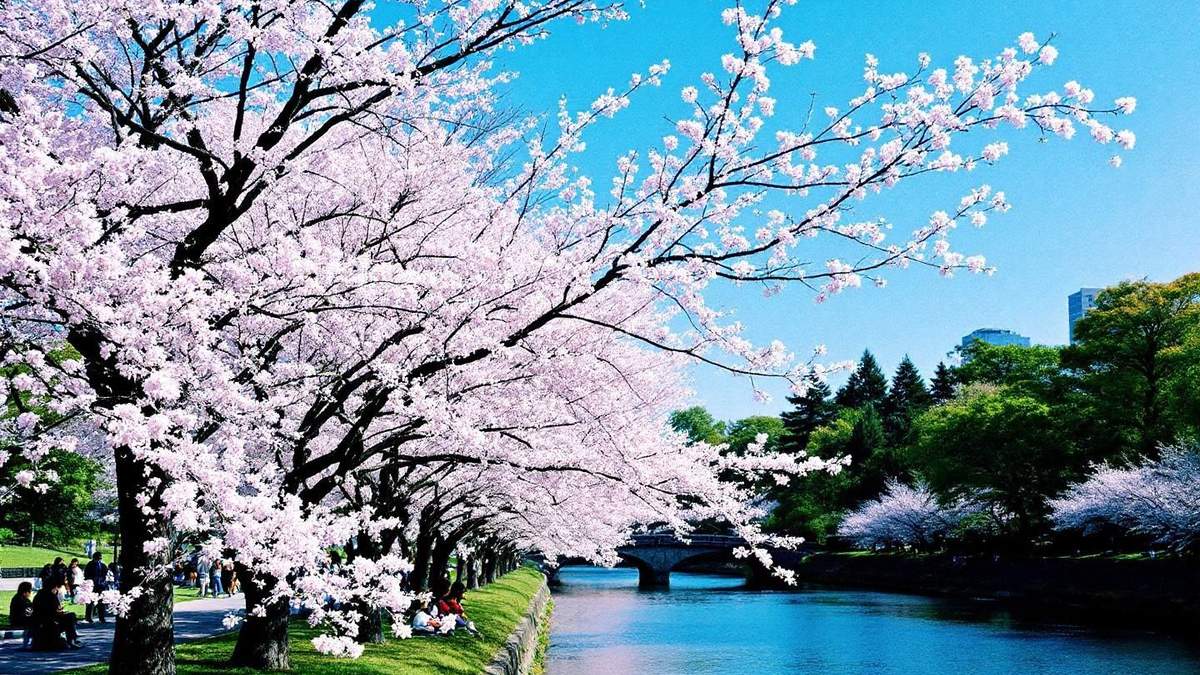
Japan in Spring
Last updated: March 2026
Is spring a good time to visit Japan?
Spring (March to May) is widely considered the best time to visit Japan. Cherry blossoms bloom from late March to mid-April, temperatures are mild (10-20C), and the landscape is stunning. However, it is also the busiest and most expensive season — book accommodation 3-6 months ahead.
Japan in spring is the experience most visitors dream about: pale pink cherry blossoms drifting over canals, warm afternoons in historic gardens, and a country in full bloom. Spring in Japan runs from March through May, covering three distinct phases — the breathless excitement of cherry blossom season, the glorious warmth of late April, and the quieter pleasures of May after the crowds thin. This guide covers everything you need to plan a spring Japan travel trip, including precise timing, regional weather, the top festivals, and what to pack.
Is Spring Really the Best Time to Visit Japan?
Spring in Japan deserves its reputation, but not every week of spring is equal. Late March through mid-April is when the famous cherry blossoms peak, and this two-to-three-week window is the single most competitive period in the Japanese tourism calendar. Hotels sell out six months in advance, prices jump 30–60%, and popular parks are genuinely crowded. Late April (after the blossoms) and most of May offer mild weather with significantly thinner crowds — arguably the best overall conditions of the year.
The short answer: if cherry blossoms are your goal, spring Japan travel requires advance planning. If you are flexible, target early May for near-perfect conditions at lower cost.
Month-by-Month Guide: March, April, May
March
March is a transitional month. Early March feels like winter in most of Japan — Tokyo averages 8–13°C and Hokkaido remains well below zero. By mid-March, warmer spells begin, and the first cherry blossoms typically open in Kyushu (Fukuoka, Nagasaki) around March 20–25. The season then tracks northeast.
Late March is when spring in Japan truly begins for most visitors. Plum blossoms (which precede cherry blossoms by 4–6 weeks) are finishing their run, and early sakura varieties begin opening in Tokyo and Kyoto — usually around March 22–28, depending on the year.
Budget note: Prices begin rising from mid-March as demand picks up. If you arrive in the first two weeks of March, you will find good value and few crowds while still experiencing early spring energy.
April
April is Japan in spring at full intensity. Cherry blossoms peak across the main tourist corridor (Tokyo, Nikko, Kyoto, Osaka, Hiroshima) between late March and mid-April. The exact timing shifts by a few days each year based on winter temperatures.
Golden Week begins on April 29 (Showa Day) and runs into early May. This is the biggest domestic travel period of the year — trains and popular tourist sites reach peak congestion. Book all transport and accommodation before you leave home.
After the cherry blossoms fall (mid-April), crowds thin noticeably. Late April is one of the most underrated times to visit: warm (Tokyo averages 16–21°C), flower gardens are in full colour, and prices begin to drop. Nara’s deer roam against a backdrop of fresh green hills. Nikko’s shrines are strikingly peaceful once the sakura crowds leave.
May
May is Japan at its most liveable. Temperatures are comfortable — Tokyo averages 18–24°C — humidity is low, rain is infrequent, and the crowds from cherry blossom season have departed. Golden Week (April 29 – May 6) brings a brief surge of domestic tourists, but outside this window, May is excellent.
The mountains open up in May. Hiking routes on popular peaks including those around Hakone become accessible, and the views of Mount Fuji are reliably clear before summer haze sets in.
May is particularly good for visitors combining city sightseeing with day trips — the weather supports long days outdoors without the heat exhaustion risk of summer.
Cherry Blossom Timing by City
The cherry blossom Japan season moves from south to north and from low to high elevation. The table below shows typical first bloom and peak bloom dates. Actual dates shift 3–10 days depending on winter temperatures — a warm winter accelerates blooming; a cold one delays it.
| City / Region | First Bloom | Peak Bloom | Notes |
|---|---|---|---|
| Fukuoka (Kyushu) | ~March 18 | ~March 26 | One of Japan’s earliest |
| Tokyo | ~March 22 | ~March 29 | Ueno Park, Shinjuku Gyoen iconic |
| Kyoto | ~March 23 | ~March 30 | Maruyama Park, Philosopher’s Path |
| Osaka | ~March 24 | ~March 31 | Osaka Castle grounds |
| Hiroshima | ~March 25 | ~April 1 | Peace Park, Miyajima |
| Nikko (Tochigi) | ~April 5 | ~April 12 | Delayed by elevation |
| Sendai (Tohoku) | ~April 5 | ~April 12 | Nishi-koen park |
| Matsumoto | ~April 10 | ~April 17 | Matsumoto Castle backdrop |
| Hirosaki (Aomori) | ~April 23 | ~April 30 | One of Japan’s best castle blossoms |
| Hokkaido (Sapporo) | ~April 28 | ~May 5 | Last major city to bloom |
The single most reliable resource for year-specific forecasts is the Japan Meteorological Corporation’s annual sakura forecast, usually released in late January.
Spring Weather Table by Region
| Region | March Avg | April Avg | May Avg | Rain Risk | Notes |
|---|---|---|---|---|---|
| Hokkaido | -2–5°C | 6–13°C | 12–18°C | Low | Still cold in March |
| Tohoku | 3–10°C | 9–16°C | 14–21°C | Moderate | Late cherry blossoms |
| Tokyo / Kanto | 8–13°C | 14–19°C | 18–24°C | Low–Mod | Prime spring conditions |
| Kyoto / Kansai | 7–14°C | 14–20°C | 19–25°C | Moderate | Rainy spells in May |
| Hiroshima / Chugoku | 7–14°C | 14–21°C | 19–26°C | Moderate | Warm spring |
| Kyushu | 9–16°C | 15–21°C | 20–26°C | Moderate | Earliest sakura |
| Okinawa | 18–23°C | 21–26°C | 24–28°C | Higher | Rainy season starts May |
Top Spring Festivals in Japan
Spring Japan travel is enriched by a festival calendar that stretches well beyond cherry blossoms. These are the top events to plan around:
| Festival | Location | Dates | What It Is |
|---|---|---|---|
| Hinamatsuri (Doll Festival) | Nationwide | March 3 | Decorative doll displays for girls |
| Takayama Spring Festival | Takayama, Gifu | April 14–15 | One of Japan’s three great festivals |
| Miyako Odori (Geiko Dances) | Kyoto | April 1–30 | Geisha spring dances, Gion district |
| Hana Matsuri (Buddha’s Birthday) | Nationwide temples | April 8 | Floral palanquins, sweet tea ceremony |
| Kanamara Matsuri | Kawasaki | First Sunday April | Fertility festival — quirky and famous |
| Golden Week Holidays | Nationwide | April 29–May 6 | Peak domestic travel period |
| Kanda Matsuri | Tokyo | Mid-May (odd years) | Massive Edo-period parade |
| Aoi Matsuri | Kyoto | May 15 | Ancient imperial procession |
The Aoi Matsuri in Kyoto is one of the city’s three main festivals and a remarkable spectacle — hundreds of participants in Heian-period court dress process from the Imperial Palace to Shimogamo and Kamigamo shrines.
Crowds and Pricing in Spring
Spring in Japan is the most expensive time to visit. Here is what to expect:
Cherry blossom peak (late March – mid-April): Hotels in Tokyo and Kyoto can cost 40–80% more than shoulder season. Business hotels that normally run ¥8,000–¥12,000 per night commonly hit ¥15,000–¥25,000. Ryokan with private onsen baths that book for ¥30,000 per person in November can exceed ¥50,000 per person in April.
Late April (post-sakura): Prices drop meaningfully from mid-April onward, though Golden Week (April 29 – May 6) sees another surge.
May (post-Golden Week): May 7 onward is arguably the best value-weather combination in the Japanese calendar. Good hotel rooms return to ¥10,000–¥15,000 range, and major sites are comparatively quiet.
Practical rule: Book accommodation at least 3 months ahead for cherry blossom season; 6 months ahead if you want a specific ryokan or a Hakone hotel with a Fuji view.
Golden Week Warning
Golden Week (April 29 – May 6) is not a time to take lightly. It combines four national holidays into Japan’s longest domestic holiday window. Popular destinations — Kyoto, Nikko, Hakone, theme parks — become genuinely overcrowded. Shinkansen seats sell out weeks in advance.
Options: book everything well ahead and embrace the festive energy; OR deliberately choose quieter destinations (rural areas, smaller cities, Tohoku, Kyushu) where Golden Week crowds are much lighter; OR avoid this period entirely if you are sensitive to crowds.
Regional Spring Highlights
Tokyo: The city offers dozens of outstanding hanami (blossom-viewing) locations. Shinjuku Gyoen (¥500 entry) limits alcohol and is family-friendly. Ueno Park is the classic rowdy hanami party location. Meguro River offers a photogenic tunnel of cherry blossoms overhanging the water.
Kyoto: The Philosopher’s Path is lined with mountain cherry trees for 2 km. Maruyama Park stays open late during blossom season with illuminated trees. The narrow lanes of Gion are stunning in spring light.
Hirosaki (Aomori): For blossom connoisseurs, Hirosaki Castle in late April is one of Japan’s finest sakura experiences — a moat literally turns pink as petals fall into the water.
Hokkaido: For those who miss the main sakura window, Hokkaido blooms 4–6 weeks after Tokyo. Matsumae Castle and Maruyama Park in Sapporo offer excellent late April / early May blossoms with fewer crowds than southern Japan.
What to Pack for Spring in Japan
March: Pack as you would for autumn in Northern Europe. Bring a warm jacket (not just a coat), layers you can remove, and waterproof shoes. Cherry blossom viewing often means standing outdoors for extended periods — warmth matters.
April: Light jacket or medium coat for evenings, lighter layers for sunny afternoons. A compact umbrella is essential — spring rain comes suddenly. Comfortable walking shoes (you will easily cover 20,000 steps per day).
May: Light layers, a thin rain jacket, comfortable walking shoes. Humidity begins to build toward June but is still manageable.
Year-round spring essentials: Portable phone charger (long days of photography), small daypack, reusable bag for shopping, translation app downloaded offline.
Spring-Specific Itinerary Suggestions
One week focused on cherry blossoms: Fly into Tokyo, spend 2–3 days covering Tokyo hanami spots (Shinjuku Gyoen, Ueno, Meguro River, Chidorigafuchi), take the JR Pass Shinkansen to Kyoto, spend 3 days covering Kyoto and a half-day in Osaka, fly home from Osaka (KIX).
Two weeks combining blossoms and culture: Add Hiroshima and Miyajima island (day trip or overnight), a day trip to Nara from Kyoto (deer park is magnificent in spring), and a day trip from Tokyo to Nikko after the main blossom crowd passes.
Late spring (May) tour: Begin in Tokyo, day trip to Hakone for clear Fuji views, continue to Kyoto for temples without blossom crowds, add rural experiences — Shirakawa-go, the Japanese Alps, or the Kumano Kodo pilgrimage trail.
Common Questions About Spring in Japan
Do I need to see cherry blossoms to enjoy spring? No. Japan in May — warm, green, quiet — is arguably better than the crowded blossom peak. The gardens, mountains, and temples are all stunning.
Is the language barrier a problem? Less than you would expect. Train stations, airports, and major tourist sites have English signage. A translation app handles everything else. See our first-timers guide for a full breakdown.
How far in advance should I book? For peak cherry blossom season (late March – mid-April), book flights and accommodation 4–6 months ahead. For May, 2 months is usually sufficient.
Can I see cherry blossoms without going to a famous spot? Absolutely. Virtually every neighbourhood park, river bank, and school in Japan has cherry trees. Some of the most atmospheric blossoms are along quiet canal paths and rural mountain roads far from the tourist circuit.
Spring is the season that turns first-time visitors into lifelong Japan devotees. The combination of natural beauty, cultural richness, and ideal temperatures creates a travel experience that is genuinely difficult to match anywhere in the world. Plan early, pack layers, and prepare to fall in love with Japan in spring.
Spring Food and Drink in Japan
Spring in Japan brings an extraordinary seasonal food culture. Japanese cuisine is intensely seasonal — chefs design menus around ingredients at their precise peak, and spring offers some of the most distinctive flavours of the year.
Sakura-themed food: During cherry blossom season, Japan’s food industry produces an enormous range of sakura-flavoured and sakura-coloured limited-edition products. Sakura mochi (sweet rice cake in a salted cherry leaf) is the classic spring sweet. Starbucks Japan releases cherry blossom drinks. 7-Eleven and FamilyMart stock sakura onigiri and sakura-flavoured Kit Kats. While the flavours are subtle (cherry blossom has a delicate floral, slightly salty taste), the cultural ritual of eating seasonally is genuinely enjoyable.
Spring vegetables: Japanese spring cuisine centres on bamboo shoots (takenoko), harvested in March and April and featured in everything from sushi to rice dishes. Nanohana (rapeseed flowers) are a bitter spring green typically served as ohitashi (blanched with soy and dashi). Fuki (butterbur) and zenmai (fiddlehead ferns) appear in traditional Japanese vegetable dishes that are rarely available outside spring.
Cherry blossom sake: Spring sake releases (shinshu or shiboritate) are fresh, lightly carbonated, and often sold in single-portion cup format at convenience stores for ¥200–¥300. Drinking a cup of spring sake at a hanami is a perfectly Japanese way to experience the season. Many izakayas offer special spring sake menus.
Hanami food culture: Japanese hanami (flower-viewing) parties are as much about eating and drinking as watching blossoms. The traditional hanami bento (boxed lunch) includes spring-themed onigiri, tamagoyaki (rolled egg), and seasonal pickles. Park vendors near major hanami spots sell everything from hot yakitori to craft beer.
Spring Transport: What to Expect
Spring Japan travel involves transport at or near capacity. Understanding the busiest periods:
Cherry blossom peak (late March – mid-April): The Shinkansen between Tokyo and Osaka is extremely popular. Buy reserved seats — do not rely on unreserved seating during this period. The Narita Express and Limousine Bus from Narita to Tokyo runs normally but book ahead.
Golden Week (April 29 – May 6): The peak of peak. Shinkansen reserved seats sell out 1 month ahead. The Nozomi (fastest Shinkansen) does not accept JR Pass; the Hikari does. If using a JR Pass during Golden Week, book reserved seats immediately when your pass becomes valid.
Day trip trains: The Fuji Kyuko line to Kawaguchiko from Otsuki fills completely on cherry blossom weekends. The Tobu line to Nikko is similarly saturated during blossom season. Consider weekday visits to popular day-trip destinations.
| Train Route | Journey Time | Cost (approx) | Golden Week Tip |
|---|---|---|---|
| Tokyo–Kyoto (Shinkansen Hikari) | 2h 45m | ¥13,600 (or JR Pass) | Book reserved seat 30 days ahead |
| Tokyo–Hakone (Romancecar) | 1h 25m | ¥2,470 | Weekday or arrive early |
| Tokyo–Nikko (Tobu Express) | 2h | ¥2,720 | Avoid Golden Week weekends |
| Kyoto–Nara | 45m | ¥720 | Day trips manageable any day |
| Tokyo–Hiroshima (Shinkansen) | 4h | ¥19,080 (or JR Pass) | Reserve seats essential |
Photography Guide for Spring Japan
Japan in spring is one of the world’s great photography destinations. The combination of architectural detail, natural colour, and dramatic seasonal context creates images that are instantly iconic.
Timing: The best light for cherry blossom photography is the golden hour after sunrise (approximately 30 minutes after the sun clears the horizon). At this time, the light is warm and directional, the crowds are minimal, and the blossoms glow. Plan to be at your primary photography spot by 6:00–6:30 AM.
Composition strategies: The most compelling sakura images typically use a strong compositional anchor (a temple gate, pagoda, bridge, or water reflection) with the blossoms as supporting context rather than the sole subject. Purely “flowers only” images are beautiful but less distinctive than those that place the sakura in Japan’s specific architectural context.
Smartphone photography: Modern iPhone and Android cameras handle sakura photography well. For the tunnel effect at popular spots (Meguro River, Shinjuku Gyoen, Chidorigafuchi), a wide-angle mode works excellently. Use Portrait Mode to blur backgrounds and isolate single branches.
Rain blossoms: A light rain during cherry blossom season creates one of Japan’s most atmospheric photography scenarios — petals on wet stone, reflections in rain-soaked paths, moisture on individual blossoms. Embrace rainy blossom days rather than waiting for clear skies.
Practical Spring Planning Checklist
Use this checklist when planning spring Japan travel:
| Task | Timeline | Priority |
|---|---|---|
| Book flights | 3–6 months before | Critical |
| Book Tokyo accommodation | 3–5 months before | Critical |
| Book Kyoto accommodation | 4–6 months before | Critical — Kyoto fills first |
| Buy JR Pass (if needed) | Before departure | High |
| Set up Suica card | Before departure | High |
| Reserve Shinkansen seats | As soon as JR Pass is valid | High during Golden Week |
| Book popular restaurants | 2–4 weeks before | Medium |
| Check sakura forecast | January (initial) + weekly from March | Informational |
| Pack layers | 1 week before | See packing section |
The sakura forecast shifts year to year. Following the Japan Meteorological Corporation forecast (updated weekly from late February) and adjusting your plans around the specific year’s timing is the most reliable strategy for hitting peak bloom.
For complete trip planning covering visas, budget, itinerary structure, and booking logistics, see our plan a trip to Japan guide.