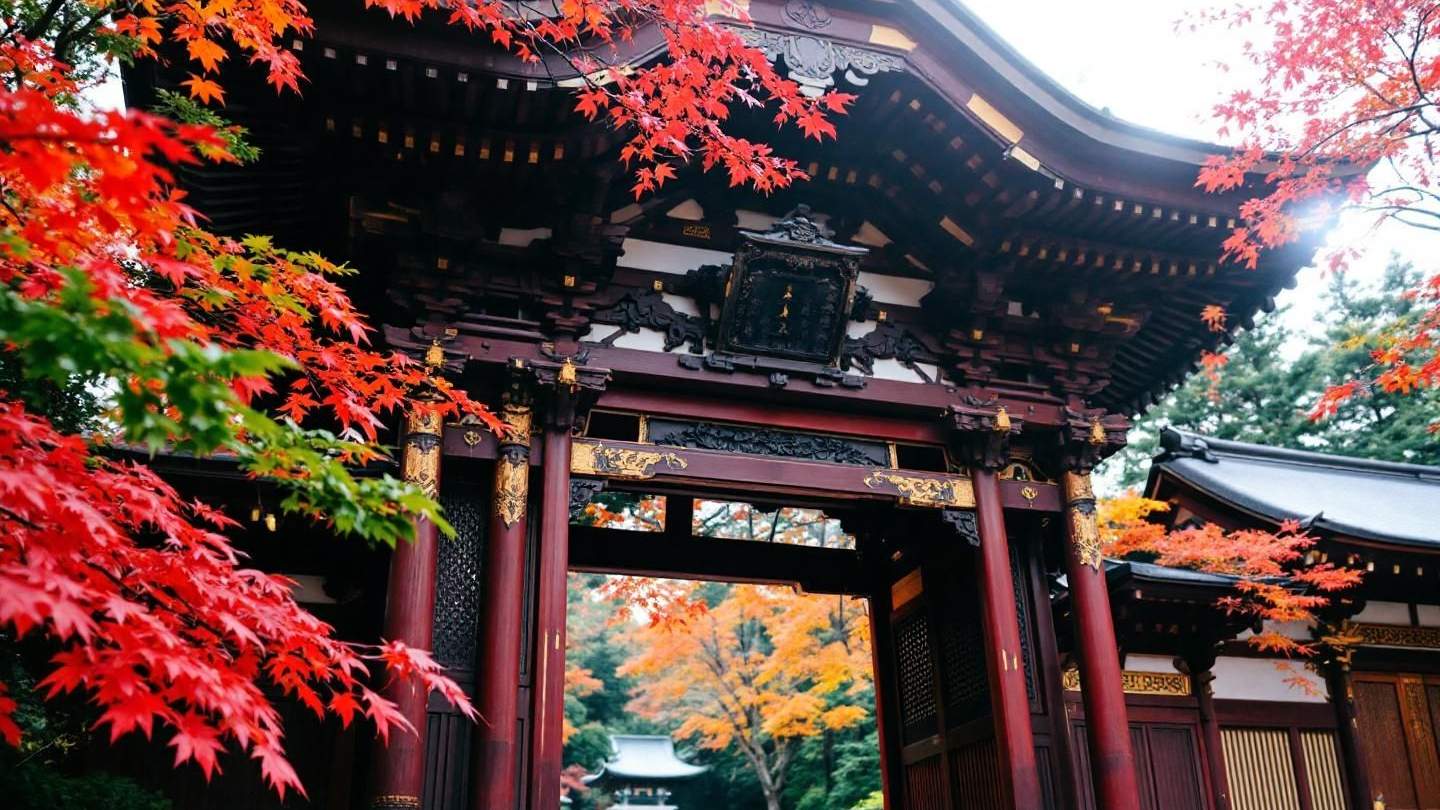
Japan in Autumn
Last updated: March 2026
When is the best time to see autumn foliage in Japan?
Peak autumn foliage (koyo) typically occurs from mid-October in northern Japan (Hokkaido, Tohoku) to late November/early December in southern areas (Kyoto, Osaka). The most popular viewing period in Kyoto and Tokyo is mid-November to early December.
Japan in autumn is the country’s best-kept travel secret. While spring cherry blossoms command global attention, autumn leaves in Japan — known as koyo — are equally spectacular, and the season comes with a crucial advantage: October and early November see significantly fewer international tourists than spring. The combination of blazing maples, golden ginkgos, and ancient temple grounds makes fall foliage Japan one of the most visually rewarding experiences in Asia.
This guide covers everything: when the colours peak across each region, the top 15 viewing spots, month-by-month conditions, autumn festivals, illuminations, and practical tips for getting the most out of this extraordinary season.
Why Autumn Rivals Spring in Japan
Japan in autumn offers a broader palette than spring. Cherry blossoms are a single species and a single colour. Autumn leaves Japan brings crimson Japanese maples (momiji), golden ginkgo avenues, orange persimmon trees, and russet oaks — all simultaneously. The season is also longer: it moves slowly from Hokkaido in October through to the Kyushu mountains in early December, giving visitors more flexibility.
Weather in October and November is ideal: clear, cool days with low humidity, no typhoon risk (typhoon season typically ends by October), and temperatures that make walking all day pleasant rather than exhausting. Hotels cost less than spring peak. Restaurants are less booked. Transport runs smoothly.
The one caveat: Kyoto in November becomes nearly as crowded as spring. If you plan to visit Kyoto for koyo, plan with the same rigour as a cherry blossom trip.
Autumn Foliage Forecast by Region
Koyo Japan follows a predictable path from north to south, mirroring the spring cherry blossom front in reverse. The table below shows typical peak timing. A warm autumn delays the front; a cold September can accelerate it.
| Region | Early Colour | Peak Foliage | Notes |
|---|---|---|---|
| Hokkaido (Daisetsuzan) | Late September | Mid-October | Japan’s earliest; mountains ablaze |
| Hokkaido (Sapporo) | Early October | Late October | Ginkgo avenues in the city |
| Tohoku (Aomori, Towada) | Early October | Mid-October | Lake Towada, Oirase Gorge |
| Nikko (Tochigi) | Mid-October | Late October | Some of Japan’s finest foliage |
| Tokyo / Kanto | Late October | Mid-November | Shinjuku Gyoen, Rikugien |
| Japanese Alps (Nagano) | Mid-October | Late October | Kamikochi valley |
| Kyoto / Kansai | Late October | Mid-November | Arashiyama, Tofukuji peak |
| Hiroshima / Miyajima | Early November | Mid-November | Maple Mountain trail |
| Kyushu (Fukuoka, Nagasaki) | Mid-November | Late November | Slightly muted but warm |
| Yakushima | Late November | Early December | Old-growth cedar forest |
Month-by-Month Autumn Guide
September
Autumn has not yet arrived in most of Japan, but Hokkaido’s high mountains (Daisetsuzan National Park) begin showing colour in late September — the earliest foliage in the country. Typhoon season is winding down, and by late September the weather stabilises across Honshu. Crowds are low and prices are reasonable. This is an excellent time to visit if you want the freedom of autumn travel without competing for accommodation.
October
October is the sweet spot for fall foliage Japan lovers who want both stunning scenery and manageable crowds. Hokkaido and Tohoku are at peak colour. Nikko erupts into one of Japan’s most dramatic displays — the cryptomeria avenues, shrine complexes, and mountain lakes all lit with colour. The Japanese Alps around Kamikochi reach peak colour in late October, with perfect reflections in the Azusa River.
Tokyo and Kyoto are still in the early colour phase in October — more gold and orange appearing, but not yet peak. This makes October the ideal month to start in the north (Hokkaido, Nikko, Tohoku) and gradually move south, arriving in Kyoto and Osaka just as their koyo peaks.
November
November is the month most associated with autumn leaves Japan in the popular imagination. The Kyoto koyo season typically peaks around November 15–25, and this is when the competition for accommodation in Kyoto reaches its apex. The famous Tofukuji temple, Eikan-do garden, and Arashiyama bamboo grove area are exceptional but busy. Book Kyoto accommodation for November at least 3 months in advance.
Tokyo’s koyo peaks in mid-November — Shinjuku Gyoen, Rikugien, and the Koishikawa Korakuen garden all reach their colour zenith. November in Tokyo is excellent: long clear days, temperatures around 12–18°C, and autumn-specific food in every restaurant and convenience store.
Early December
Early December brings the last act of koyo Japan to Kyushu and the warmest parts of Honshu. The crowds that overwhelmed Kyoto in November have left, and December 1–10 can offer beautiful late-season colour in Kyoto and Osaka gardens at much lower prices. The iconic ginkgo avenues along Meiji Jingu Gaien in Tokyo typically peak in late November and persist into early December.
Top 15 Autumn Foliage Spots in Japan
| Rank | Location | Best Time | Key Feature | Access |
|---|---|---|---|---|
| 1 | Tofukuji, Kyoto | Mid-Nov | 2,000 maple trees over Tsutenkyo bridge | 10 min from Kyoto Station |
| 2 | Nikko, Tochigi | Late Oct | UNESCO shrines amid blazing mountains | 2 hrs from Tokyo by Tobu line |
| 3 | Oirase Gorge, Aomori | Mid-Oct | Forest stream with continuous colour | 3 hrs from Morioka by bus |
| 4 | Daisetsuzan, Hokkaido | Mid-Oct | Vast wilderness, earliest koyo | Bus from Asahikawa |
| 5 | Eikan-do, Kyoto | Mid-Nov | Night illuminations, mountain maple | Nanzenji area, walk from Keage |
| 6 | Arashiyama, Kyoto | Mid-Nov | Bamboo grove plus maple hillsides | Randen tram or JR Sagano line |
| 7 | Rikugien, Tokyo | Mid-Nov | Illuminated garden, serene city escape | Komagome Station |
| 8 | Kamikochi, Nagano | Late Oct | Alpine valley, mirror-lake reflections | Bus from Matsumoto |
| 9 | Miyajima, Hiroshima | Mid-Nov | Maple Mountain above floating torii | 30 min from Hiroshima |
| 10 | Korankei, Aichi | Mid-Nov | 4,000 maple trees over gorge | 90 min from Nagoya |
| 11 | Shinjuku Gyoen, Tokyo | Mid-Nov | 15 ha garden, varied species, ¥500 | Shinjuku-Gyoenmae Station |
| 12 | Lake Towada, Aomori | Mid-Oct | Crater lake, vivid reflections | Slow but stunning bus journey |
| 13 | Kiyomizudera, Kyoto | Mid-Nov | City panorama with maple foreground | 20 min walk from Gion |
| 14 | Meiji Jingu Gaien, Tokyo | Late Nov | Famous ginkgo avenue, gold canopy | Gaien-mae Station |
| 15 | Nara, Nara Pref. | Mid-Nov | Deer among gold/red trees | 45 min from Kyoto or Osaka |
Autumn Night Illuminations (Momiji Raito)
One of autumn’s great pleasures in Japan is momiji raito (maple illumination). Dozens of temples, gardens, and natural areas set up floodlights after dark, transforming the foliage into something otherworldly. Entry fees are typically ¥500–¥1,000.
Best illuminations:
- Eikan-do, Kyoto — evening hours open mid-November through early December; extremely popular, arrive early
- Tofukuji, Kyoto — the Tsutenkyo bridge corridor at night is unforgettable
- Kiyomizudera, Kyoto — the whole mountain stage is illuminated in autumn
- Rikugien, Tokyo — central weeping cherry tree and surrounding garden
- Zojoji, Tokyo — temple gate illuminated against Tokyo Tower backdrop
Autumn Weather in Japan
Japan in autumn offers the most consistently comfortable weather of the year across most of the country.
| Region | October | November | December (early) |
|---|---|---|---|
| Hokkaido | 8–16°C, clear | 2–9°C, cold | 0–4°C, possible snow |
| Tohoku | 12–19°C | 6–14°C | 2–9°C |
| Tokyo / Kanto | 16–22°C | 11–17°C | 6–12°C |
| Kyoto / Kansai | 17–23°C | 11–18°C | 7–13°C |
| Kyushu | 19–25°C | 14–20°C | 10–16°C |
Rainfall in October and November is generally low across Honshu. Clear sunny days are the norm rather than the exception. Pack layers — morning and evening temperatures drop noticeably compared to afternoon.
Autumn Festivals and Events
Japan in autumn has a rich festival calendar that pairs beautifully with koyo sightseeing:
| Festival | Location | Dates | Description |
|---|---|---|---|
| Jidai Matsuri | Kyoto | October 22 | Imperial procession through centuries of history |
| Kurama Fire Festival | Kyoto | October 22 | Ancient mountain fire ritual |
| Autumn Grand Ceremony | Nikko | October 17 | Armored horseback archery at Toshogu |
| Nagasaki Kunchi | Nagasaki | October 7–9 | Chinese-influenced dragon dances |
| Hakone Daimyo Gyoretsu | Hakone | November 3 | Samurai procession on Old Tokaido Road |
| Shichi-Go-San | Nationwide | November 15 | Children in kimono at shrines |
Jidai Matsuri in Kyoto is one of the city’s three main festivals and runs the same day as the spectacular Kurama Fire Festival — combining both makes for one of Japan’s best single-day festival experiences.
Autumn Food in Japan
Fall foliage Japan trips should be planned around seasonal eating as much as sightseeing. Autumn in Japan brings:
- Matsutake mushrooms — Japan’s most prized mushroom; expensive but extraordinary in rice and soup
- Pacific saury (sanma) — grilled salted mackerel pike is the quintessential autumn fish
- Chestnuts (kuri) — chestnut rice, chestnut wagashi sweets, roasted chestnuts from street stalls
- Persimmon (kaki) — the orange fruit hanging from bare trees is as much an autumn visual as the foliage
- New season sake — autumn brings the release of the season’s new sake; izakayas celebrate with special menus
- Sweet potato (satsumaimo) — roasted sweet potato vendors reappear on streets in October
Autumn vs Spring: Which is Better?
Both seasons are outstanding. The honest comparison:
Choose spring if: Cherry blossoms are a bucket-list item; you have flexibility to book 4–6 months ahead; you want the electric energy of Japan at its most celebratory.
Choose autumn if: You prefer beautiful scenery with fewer international tourists; you want Kyoto at peak colour without paying peak spring prices (November is still expensive in Kyoto but slightly more available than spring); you prefer cooler hiking weather; or you specifically want to combine foliage with food culture.
Practical advantage of autumn: The foliage season is longer and more geographically spread than the cherry blossom window. You have a 6–8 week window with different regions peaking at different times, giving you far more flexibility in planning than the 2–3 week sakura rush.
What to Pack for Autumn in Japan
- October: Light jacket, medium layers, comfortable walking shoes. Morning chill in northern regions — bring a fleece.
- November: Warm jacket, scarf, layers. Kyoto in November evenings is genuinely cold. Good walking shoes essential.
- December: Full winter coat for evenings; layers for warm daytime periods; waterproof outer layer.
Comfortable shoes are non-negotiable. The best autumn spots involve significant walking — forest gorges, hillside temples, mountain trails. Budget 15,000–25,000 steps per day.
See our Mount Fuji guide if you plan to combine koyo with an iconic Fuji view — autumn is excellent for visibility.
Planning Your Autumn Japan Trip
The key to a great autumn leaves Japan trip is tracking the koyo front. Japan’s main meteorological firms release annual foliage forecasts in late August or early September — check these before finalising your dates.
For booking: Kyoto in November requires the same advance planning discipline as cherry blossom season — book 2–4 months ahead. Outside Kyoto, October is much more relaxed and a last-minute trip is possible.
Use the JR Pass to move efficiently between regions as the colour front tracks south. A 14-day pass covers the period from Nikko and Tohoku in mid-October through Kyoto and Hiroshima in mid-November.
Japan in autumn rewards travellers who plan thoughtfully and move with the season. From the first fiery Hokkaido peaks to the last ginkgo leaves drifting through Kyoto’s alleys in December, this is Japan at its most atmospheric — and most underestimated.
Autumn Photography Guide
Fall foliage Japan offers exceptional photography opportunities. The peak of koyo provides vivid reds, oranges, and golds against temple wood and stone that are visually extraordinary.
Best light: Overcast days are often better than direct sunlight for foliage photography — the diffused light prevents harsh shadows and allows the full range of leaf colours to render accurately. Direct morning sunlight creates a golden backlight effect through maple leaves that is also stunning. Avoid harsh midday sun which flattens colours.
Composition approach: The most powerful autumn Japan images typically place foliage in architectural context — a vermillion torii gate against crimson maple, moss-covered stone lanterns beneath gold ginkgos, a reflection of autumn colour in a raked gravel garden pool. The contrast between Japan’s distinctive architectural elements and the natural colour explosion is what makes the images uniquely Japanese.
Night illuminations photography: Bring a tripod or use a stable surface for night illumination shots. Most smartphones’ Night Mode handles illuminated foliage well, but longer exposures create richer colour saturation. Arrive 15–20 minutes before illumination start time to position yourself before the main crowd arrives.
The best single shot in autumn Japan: Tofukuji’s Tsutenkyo bridge in mid-November, photographed from the viewing platform at the bridge’s south end looking north, with the valley of 2,000 maples below. Arrive by 7:00 AM — the bridge opens to visitors at 8:30 AM but the queues form from 7:30 onwards.
Autumn in Specific Regions
Kyoto in autumn: Kyoto is the most famous koyo Japan destination and the competition for accommodation in November is fierce. The classic autumn spots are Tofukuji, Eikan-do, Arashiyama (Tenryuji garden), Kiyomizudera, and the Philosopher’s Path. The advantage of Kyoto in autumn is the extraordinary density of excellent spots within walking distance — you can cover 5–6 major autumn viewing locations in a single day on foot.
Nikko in autumn: Nikko’s combination of UNESCO-listed shrine complexes, cryptomeria avenues, mountain lake landscapes, and dramatic hillside foliage makes it arguably Japan’s finest autumn destination. Peak colour typically runs October 20–November 5. The 2-kilometre avenue of ancient cedar trees leading to Toshogu Shrine turns golden-red in mid-October. Take the Chuzenji Ropeway to the mountain ridge for panoramic views of Chuzenji Lake surrounded by autumn colour.
Tohoku in autumn: The Oirase Gorge (Aomori) is a 14-kilometre forest stream valley where the path follows the rushing river through a continuous tunnel of autumn colour. It peaks mid-October and is accessible from Towada-Minami bus stop. Less crowded than Kyoto or Nikko and genuinely among Japan’s finest natural autumn experiences.
Hokkaido in autumn: Hokkaido’s vast interior wilderness offers Japan’s largest scale autumn foliage — mountains across the horizon ablaze with colour in mid-October. Daisetsuzan National Park is the centrepiece. The Sounkyo Gorge, with its waterfalls surrounded by autumn foliage, is easily one of Japan’s top 5 autumn spots.
Autumn Accommodation Strategy
Booking strategy for autumn leaves Japan:
| Destination | Book How Far Ahead | Notes |
|---|---|---|
| Kyoto (November) | 2–4 months | Equivalent urgency to spring cherry blossoms |
| Nikko (late October) | 1–2 months | Popular but not as competitive as Kyoto |
| Tokyo (November) | 4–8 weeks | Easier than Kyoto; more supply |
| Hokkaido (October) | 2–4 weeks | Manageable; shoulder season there |
| Tohoku (October) | 2–4 weeks | Much less crowded than Honshu |
Ryokan for autumn: Autumn is the best season for a traditional ryokan stay. The seasonal kaiseki dinner incorporates autumn ingredients (matsutake, Pacific saury, chestnut, sweet potato), the rotenburo outdoor bath in cool autumn air is superb, and the garden views from your room — ideally a maple-framed window — are at their most atmospheric.
Day-by-Day Autumn Japan Itinerary (10 Days)
A practical route that follows the koyo front southward:
- Days 1–2: Arrive Tokyo. Rikugien and Shinjuku Gyoen for foliage, plus urban sightseeing.
- Day 3: Nikko day trip. Full day for the shrine complex, Chuzenji Lake, and mountain ropeway.
- Day 4: Travel to Kyoto by Shinkansen. Check in to accommodation.
- Days 5–6: Kyoto koyo. Day 5: Tofukuji (morning, before crowds), Eikan-do (afternoon), night illumination. Day 6: Arashiyama, Kinkakuji, Nishiki Market.
- Day 7: Nara day trip. Deer park in autumn with gold ginkgos is a specific pleasure.
- Day 8: Osaka for half day (Osaka Castle park has excellent autumn colour), evening food in Dotonbori.
- Days 9–10: Hiroshima and Miyajima. Maple Mountain on Miyajima peaks mid-November.
This itinerary covers the major highlights while tracking the koyo front logically from east to west and south. The JR Pass covers all Shinkansen legs on this route.
Budget Comparison: Autumn vs Peak Spring
| Category | Spring Peak | Autumn Peak (Kyoto Nov) | Autumn Off-Peak (Oct) |
|---|---|---|---|
| Tokyo hotel (mid-range) | ¥18,000–¥30,000 | ¥12,000–¥20,000 | ¥10,000–¥16,000 |
| Kyoto hotel (mid-range) | ¥20,000–¥40,000 | ¥18,000–¥32,000 | ¥12,000–¥20,000 |
| Flights | Highest | High | Moderate |
| Crowds | Peak | High (Kyoto) / Moderate elsewhere | Moderate |
October, particularly the second and third weeks when Nikko and Tohoku peak, offers outstanding value. This is genuinely one of the best times in Japan for the combination of spectacular scenery, comfortable weather, manageable crowds, and reasonable prices. For complete planning, see our best time to visit Japan guide.