The Ultimate Guide to Japanese Festivals
Last updated: March 2026
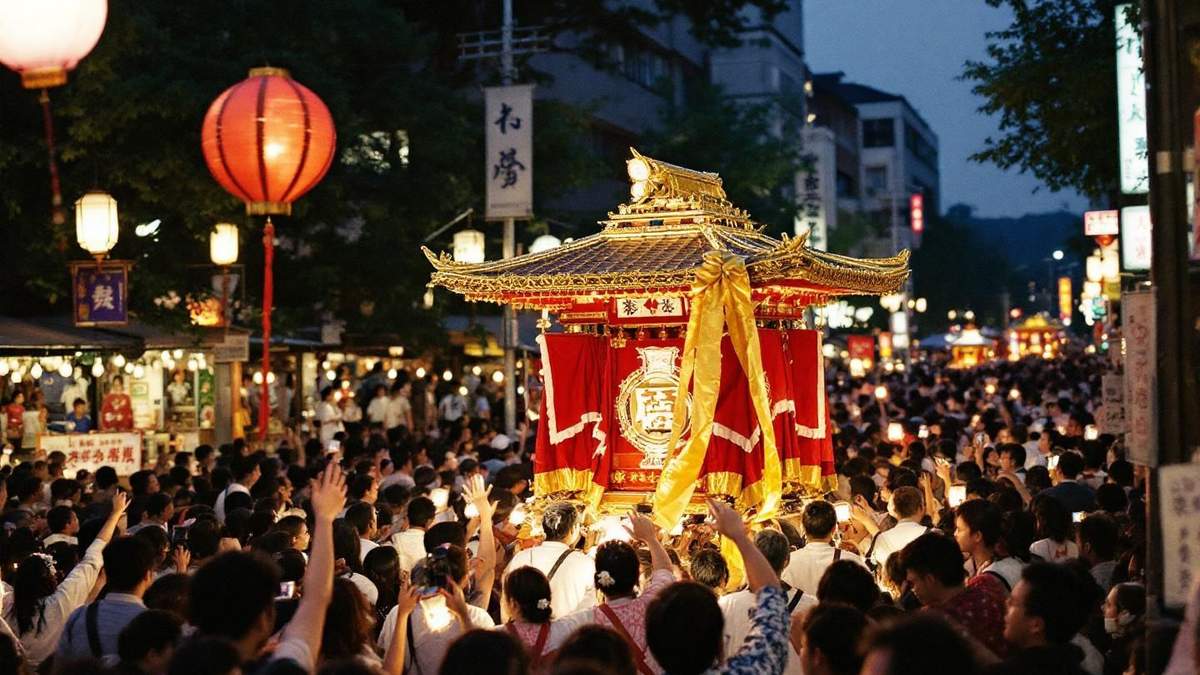
A matsuri is a Japanese festival — a word that encompasses everything from intimate neighbourhood shrine ceremonies. For general trip planning, see the best time to visit Japan guide attended by a hundred people to multi-day national events that attract millions of visitors. Japan has tens of thousands of matsuri each year, distributed across every region, every season, and every scale of community.
At their root, matsuri are Shinto ritual observances — ceremonies to honour the kami (deities) of specific shrines, express gratitude for harvests, pray for protection from disaster, or mark the transitions of the seasonal calendar. Over centuries, the religious core has acquired layers of entertainment, commerce, tradition, and spectacle that vary enormously by region and type.
This guide covers the major festivals that visitors are most likely to encounter and plan around, organised by season, with practical notes for each.
Winter Festivals
Sapporo Snow Festival
Location: Sapporo, Hokkaido When: Early February, typically the first or second week
The Sapporo Snow Festival transforms three city sites — Odori Park (the main venue), Susukino (ice sculptures), and Tsudome (a suburban family area) — with enormous snow and ice sculptures of extraordinary craftsmanship. Teams from around the world participate in international snow sculpture competitions. The main Odori Park displays include sculptures the size of buildings: full recreations of temples, castles, and architectural landmarks, lit spectacularly at night.
Sapporo in February is cold — average temperatures of minus 4 to minus 7 degrees Celsius — but the festival infrastructure makes it entirely manageable. Heated food stalls, the indoor Tsudome area, and the warm izakaya and ramen shops surrounding the event sites provide constant refuge. The festival runs for one week and draws over 2 million visitors. Book accommodation at least three to four months in advance.
Nozawa Fire Festival (Dosojin Matsuri)
Location: Nozawa Onsen, Nagano Prefecture When: January 15
One of Japan’s most dramatic and physically intense festivals. The men of the village, organised by age group, construct an enormous wooden shrine over several days. On the festival night, the village’s 42-year-old men (considered an unlucky age requiring ritual purification) defend the shrine from attackers carrying torches. The younger men and the entire village’s male population attack with fire. The shrine eventually burns spectacularly in a climax that draws applause and relief from the watching crowd.
It is loud, intense, and genuinely dangerous — spectators are strongly advised to stay behind the designated barriers. The combination of the ski resort setting, the onsen town atmosphere, and this ancient fire ritual makes Nozawa Onsen in January one of Japan’s most distinctive festival experiences.
Setsubun
Location: Shrines and temples nationwide When: February 3
Setsubun marks the traditional last day of winter. At shrines and temples across Japan, celebrities, sumo wrestlers, and priests throw roasted soybeans (mamemaki) into crowds while people call “Oni wa soto! Fuku wa uchi!” (Demons out! Luck in!). The large bean-throwing ceremonies at Narita-san Shinshoji, Senso-ji in Tokyo, and Yoshida Shrine in Kyoto draw enormous crowds. At home, families throw beans from windows and eat the number of beans corresponding to their age for good luck in the coming year.
Spring Festivals
Takayama Spring Festival (Sanno Matsuri)
Location: Takayama, Gifu Prefecture When: April 14-15
Takayama holds two major festivals per year; the spring edition is generally considered the finer. Eleven enormous yatai (festival floats) constructed in the Edo period are wheeled through the old town in procession, some featuring karakuri — automated puppet mechanisms that perform figures in the air above the float. The backdrop of Takayama’s beautifully preserved Edo-period merchant streetscape makes this one of Japan’s most visually complete festival experiences.
The combination of the old town setting, the scale and craftsmanship of the floats, the karakuri puppet performances, and the general atmosphere of the Hida region in spring draws visitors who consistently describe it as one of the most impressive things they saw in Japan.
Hakata Dontaku
Location: Fukuoka, Fukuoka Prefecture When: May 3-4
Japan’s most-attended outdoor festival draws over 2 million visitors over two days. Participants in costume representing characters from Japanese history and mythology parade through central Fukuoka on floats and in procession. The signature performance involves dancing with shamoji (rice ladles) — a symbol of the festival’s origin in traditional New Year visits. The city’s streets fill with yatai food stalls, and the festival’s energy extends through every neighbourhood of central Fukuoka.
Coinciding with the Golden Week national holiday period, Hakata Dontaku is one of the most accessible festivals for visitors, requiring no special planning around dates.
Aoi Matsuri
Location: Kyoto When: May 15
One of Kyoto’s three great festivals, the Aoi Matsuri has been performed continuously since the seventh century. A procession of 500 people dressed in Heian-period court costumes travels from the Imperial Palace to Kamigamo Shrine and Shimogamo Shrine, recreating a ceremony that historically sought to appease storm kami. The procession is slow, formal, and extraordinarily beautiful — a living performance of ancient court culture in which the participants move through the city’s streets as if the past ten centuries have been suspended.
The name comes from the hollyhock leaves (aoi) that decorate the costumes, oxcarts, and shrines. The procession is free to watch from the roadside; grandstand seats near the start and end are ticketed.
Summer Festivals
Gion Matsuri
Location: Kyoto When: July 1-31, with main processions on July 17 and July 24
Kyoto’s Gion Matsuri is the most celebrated festival in Japan and one of the world’s great cultural events. It originated in 869 CE as a ritual to appease deities during a devastating plague, and has been performed with only brief historical interruptions for over 1,150 years. The festival fills the entire month of July, with its climax in two parade days: the Sakimatsuri on July 17 (23 massive floats) and the Atomatsuri on July 24 (10 floats).
The yama (smaller floats without wheels) and hoko (enormous wheeled floats reaching 25 metres in height and weighing up to 12 tonnes) are mobile stages displaying extraordinary decorative arts. Some float tapestries are Flemish and Belgian weavings from the 17th and 18th centuries, imported through trade routes — testament to Kyoto’s historical engagement with global commerce.
On the evenings of July 14 to 17 (Yoiyama), the streets around the float assembly areas become pedestrian zones filled with food stalls, paper lanterns, and enormous crowds. This is the festival at its most atmospheric and accessible for visitors who arrive without prior knowledge of the parade logistics.
Accommodation for the main parade dates must be booked six months to a year in advance.
Tenjin Matsuri
Location: Osaka When: July 24-25
Osaka’s Tenjin Matsuri is one of Japan’s three great festivals alongside Gion Matsuri and Kanda Matsuri in Tokyo. On the evening of July 25, over 100 boats carrying festival participants in historical costume travel the Okawa River in procession, accompanied by over 3,000 fireworks launched from the riverbanks. The combination of boat procession, festival music, lantern light on the water, and fireworks reflected in the river is extraordinary.
The Tenmangu Shrine, which sponsors the festival, is dedicated to Tenjin — the deified spirit of the scholar and politician Sugawara no Michizane, who is worshipped as the patron deity of learning. Students visit Tenmangu shrines across Japan before examinations throughout the year.
Awa Odori
Location: Tokushima, Tokushima Prefecture; and Koenji, Tokyo When: Mid-August (Tokushima: August 12-15; Koenji: late August)
Awa Odori is Japan’s largest and most joyous dance festival. Over the four main festival days, more than 100,000 dancers in traditional costume move through the streets of Tokushima to the driving rhythm of shamisen, drums, flutes, and bells. The dance — a syncopated, flowing step performed by lines of dancers, with different forms for male and female performers — is accompanied by the traditional chant: “Odoru aho ni miru aho, onaji aho nara odoranya son son” (Dancing fools and watching fools — since both are fools, why not dance?).
The festival now has significant diaspora celebrations. The Koenji Awa Odori in Tokyo (late August) draws over 10,000 dancers and 500,000 spectators, making it one of the largest Awa Odori events outside Tokushima and entirely worth attending for those who cannot make the journey to Shikoku.
Obon and Bon Odori
Location: Nationwide When: August 13-16 (or early August in some regions)
Obon is not a single festival but a nationwide observance of ancestral return — the period when the spirits of the dead are believed to return to their family homes. Households light paper lanterns, visit family graves, and perform ritual cleaning. In many communities, bon odori (circle dance) events take place in parks and temple grounds, with community members of all ages dancing traditional regional dances around a central elevated platform bearing drummers and musicians.
The scale varies from intimate village circle dances to enormous urban events. The Gujo Odori in Gifu Prefecture is among Japan’s most famous — a 30-night festival during which the most devoted participants dance through the entire night for four nights around the Obon period itself.
Nebuta Matsuri
Location: Aomori, Aomori Prefecture When: August 2-7
The Aomori Nebuta Matsuri is one of Japan’s most spectacular festivals. Enormous illuminated floats (nebuta) — paper-covered frames depicting warriors, demons, and mythological figures in vivid colour, internally lit from within — are pulled through the streets at night by teams of Haneto (dancers) who leap and chant around the floats. The scale and visual drama of the nebuta at night, with the dancer crowds in traditional costume chanting and the floats glowing against the dark sky, is unlike anything else in Japan’s festival calendar.
The Hirosaki Neputa Matsuri (August 1-7), held in nearby Hirosaki, uses similar float technology but with fan-shaped nebuta and slightly different dance forms.
Autumn Festivals
Jidai Matsuri (Festival of Ages)
Location: Kyoto When: October 22
The third of Kyoto’s great festivals, the Jidai Matsuri was established in 1895 to mark the 1,100th anniversary of the city’s founding. A procession of 2,000 people in costumes representing Japanese history from the Meiji period back to the Heian period moves from the Imperial Palace to Heian Shrine. The reverse-chronological progression through 1,100 years of clothing, armour, and accessories is a living museum exhibition.
The spectacle of seeing medieval samurai armour, Heian court robes, Muromachi-period clothing, and Edo-period merchant dress in a single procession, moving in historical reverse order through the streets of the city in which all these eras actually occurred, is genuinely remarkable.
Shichi-Go-San
Location: Shrines nationwide When: November 15 (celebrated on surrounding weekends
Shichi-Go-San marks the traditional ages at which children are brought to shrines to pray for continued healthy growth: girls at three and seven, boys at five. Parents dress their children in kimono and take them to local shrines for blessings. November weekends at major shrines — Meiji Jingu in Tokyo, Fushimi Inari in Kyoto — are filled with beautifully dressed children and their families.
This is one of Japan’s most visually lovely observances for visitors. The sight of small children in formal kimono, holding chitose ame (thousand-year candy) in decorative bags, being guided by parents through shrine precincts, is an entirely authentic and unhurried glimpse of Japanese family culture at its most traditional.
Chichibu Night Festival
Location: Chichibu, Saitama Prefecture When: December 2-3
One of Japan’s three great float festivals alongside Gion Matsuri and Takayama, the Chichibu Night Festival features six enormous festival floats and a spectacular fireworks display over the mountain backdrop. The floats, decorated with thousands of lanterns, are pulled through the town at night while fireworks explode overhead. The combination of illuminated floats, mountain silhouette, and winter fireworks is one of Japan’s most dramatic festival images and one that remains relatively undervisited by international tourists.
New Year
Hatsumode
Location: Major shrines and temples nationwide When: January 1-3
Hatsumode is the first shrine or temple visit of the New Year. On January 1 and the surrounding days, millions of Japanese people make this visit — some at midnight to ring in the New Year, most during the first three days of January. Major shrines like Meiji Jingu in Tokyo (3 million visitors in the first three days), Naritasan Shinshoji, and Fushimi Inari receive the largest crowds. Smaller local shrines are quieter and more reflective.
The atmosphere at midnight on December 31 at a major shrine — the first bell of the New Year, the press of people, the incense smoke, the cold air, the thousands of paper fortunes (omikuji) tied to trees — is one of Japan’s most powerful experiential moments.
Joya no Kane
Location: Temples nationwide When: December 31, midnight
On New Year’s Eve, Buddhist temples across Japan ring their bells 108 times — a figure representing the 108 earthly desires that cause human suffering in Buddhist thought. Each toll of the bell (joya no kane) symbolically dispels one of these desires. The most famous tollings are at Chion-in and Nishiki Tenmangu in Kyoto, and Zojoji temple in Tokyo (whose bells ring with Tokyo Tower visible behind the smoke). Standing at a temple at midnight listening to the deep resonance of a large bronze bell is a genuinely moving way to mark the New Year.
Planning Around Festivals
Book accommodation extremely early. Festival dates are fixed or predictable. Major festival weekends in Kyoto (Gion Matsuri in July), Tokushima (Awa Odori in August), and Sapporo (Snow Festival in February) require booking accommodation four to six months in advance. Rooms within walking distance of events fill completely.
Understand crowd management. Major festivals have organised systems — barriers, designated viewing areas, timed entry to certain zones. Follow the instructions of festival marshals and police. Arrive early, particularly for night events where the best viewing positions fill an hour before the main procession.
Budget time for food stalls. Japanese festival food — takoyaki, yakitori, karaage, corn dogs, kakigori shaved ice, chocolate-dipped strawberries, grilled whole squid, goldfish scooping games, ring toss — is part of the festival experience as significant as the parade or ceremony itself. The yatai food stall culture at a major matsuri is one of Japan’s most sociable and democratic pleasures.
Many traditional matsuri charge no admission. The festival belongs to the community. Bring cash for food, any paid grandstand seats, and the various portable shrine accessories and festival goods sold at stalls.
Attending even one major matsuri during a Japan trip provides a window into Japanese community life, historical memory, and the relationship between sacred and secular that no amount of temple visiting alone can give.
Smaller Festivals Worth Knowing
Japan’s major festivals are extraordinary, but the country’s festival culture runs all the way down to the neighbourhood and village level. Some smaller festivals offer experiences that rival or exceed the famous ones:
Nebuta Matsuri, Aomori (early August): Enormous illuminated floats depicting samurai, demons, and mythological warriors are paraded through the city at night, accompanied by dancers called haneto who jump and chant through the streets. The Tohoku region’s most famous festival, and one of Japan’s finest summer events.
Yosakoi Soran Festival, Sapporo (early June): A large competitive dance festival fusing the Yosakoi dance tradition from Kochi Prefecture with Soran Bushi, a traditional Hokkaido fishing song. Teams of dancers in elaborate costumes compete over two days in multiple venues across the city, with a finals competition in Odori Park.
Oniyo Fire Festival, Dazaifu, Fukuoka (January 7): One of Japan’s oldest religious rituals, held at the Daizenji Tamataregu Shrine continuously for over 1,600 years. Fire rituals performed by priests in demon costumes at midnight create an intensity rare in contemporary festival culture.
Hadaka Matsuri, Saidaiji, Okayama (third Saturday of February): Thousands of men in white loincloths (fundoshi) crowd the Saidaiji Kannon-in temple precinct for the throwing of shingi (sacred wooden sticks) believed to bring good fortune to whoever catches them. One of Japan’s most unusual traditional events, entirely genuine in its religious intent.
Festival Etiquette for Visitors
Stay in designated spectator areas: Procession routes have marked areas for spectators. Do not cross barriers to get closer photographs.
Do not disrupt ritual activities: When priests conduct purification rites or make offerings, these are genuine religious acts. Quiet observation is appropriate.
Join the dancing when invited: Some festivals actively welcome visitor participation. Awa Odori at Tokushima is the clearest example. Joining in good faith is appreciated rather than intrusive.
Carry cash: Festival food stalls and vendors almost universally operate cash-only. Locate a nearby convenience store ATM before you arrive.
Japan’s festival calendar means something is happening somewhere almost every day of the year. Our Japan in summer guide covers the biggest summer festivals in depth. Checking regional tourism websites for your specific travel dates often reveals smaller local festivals invisible in major travel guides — and these quieter, more intimate events are sometimes the most genuine cultural experiences the country offers.