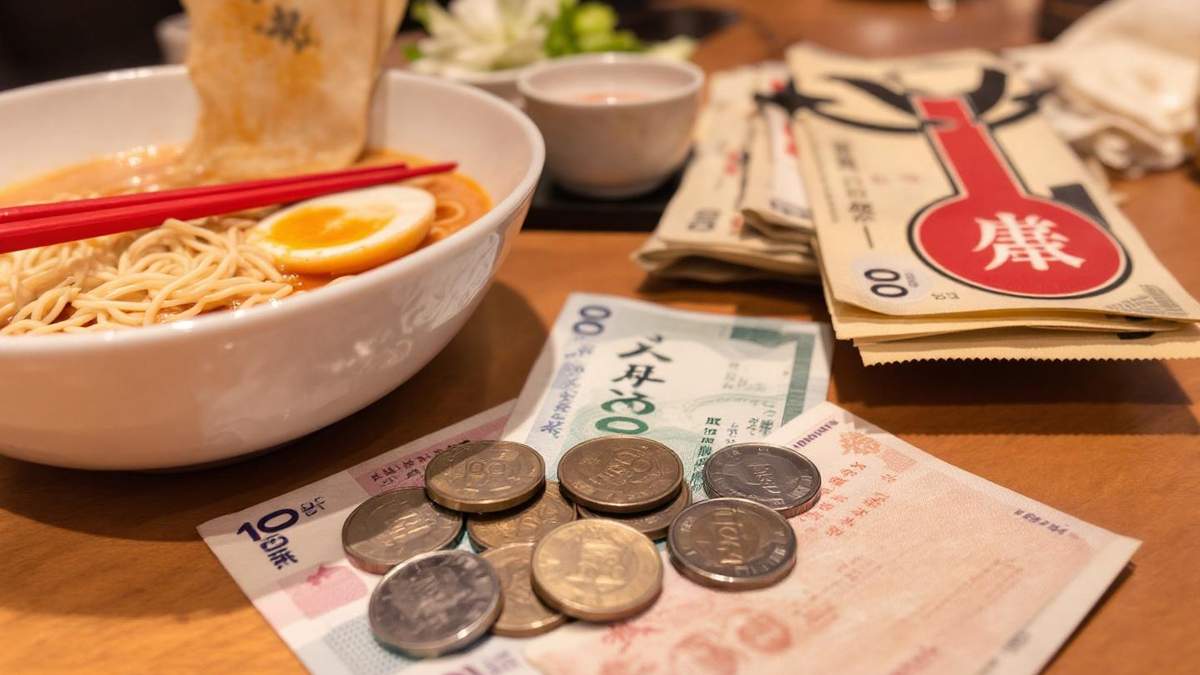
Is Japan Expensive? The Honest Answer
Last updated: March 2026
“Japan is so expensive.” It is one of the most persistent pieces of travel misinformation in circulation, and it stops people from visiting one of the most extraordinary countries in the world. Let us deal with it directly.
Japan is not cheap. But it is not the intimidatingly expensive destination that its reputation suggests — and for most travelers from North America, Western Europe, or Australia, it is actually comparable to or cheaper than a trip to Paris, London, or New York. In some categories, it is dramatically cheaper. In others, it can be more expensive than you expect.
The truth is nuanced, and the nuance matters. For a deeper breakdown, see our Japan travel budget guide and our Japan on a budget tips. Here is the honest 2026 breakdown.
The Myth vs. The Reality
The “Japan is expensive” reputation has two sources. First, the memory of Japan in the 1980s and early 1990s, when the yen was extremely strong and Japan was genuinely one of the most expensive countries in the world. Second, the fact that luxury Japan — the best ryokan, kaiseki dinners, wagyu beef, bullet train first class — is spectacularly expensive, and those are the experiences that get written about most.
But for everyday travel, Japan’s prices are often lower than most Western visitors expect. A bowl of excellent ramen: 900–1,200 yen. A set lunch at a business restaurant: 800–1,200 yen. A single subway ride: 180–250 yen. A bottle of water from a vending machine: 130–160 yen. Entry to most temples and shrines: 500–1,000 yen. These are not expensive by any global standard.
The exchange rate also matters enormously. In 2026, the yen remains relatively weak against the US dollar, Euro, and British pound compared to historical averages. For travelers earning in USD, GBP, or EUR, Japan represents genuinely good value.
Food: Surprisingly Affordable
Food is where Japan most dramatically undermines its expensive reputation. Japan has some of the best-value everyday eating of any developed country.
Budget eating (under 1,000 yen per meal):
- Bowl of ramen: 800–1,200 yen
- Gyudon (beef rice bowl) at Yoshinoya or Sukiya: 400–550 yen
- Convenience store onigiri: 120–180 yen each
- Convenience store full meal (onigiri + side + drink): 500–750 yen
- Udon at Marugame Seimen or Hanamaru: 350–700 yen
- Teishoku set lunch (rice, miso, main dish, pickles): 700–1,200 yen at a local shokudo
- Curry rice at Coco Ichibanya: 700–1,200 yen
- McDonald’s combo: 700–900 yen (not a recommendation, just a reference)
Mid-range eating (1,000–3,000 yen per meal):
- Sit-down sushi restaurant lunch: 1,200–2,500 yen
- Tonkatsu set: 1,200–1,800 yen
- Tempura tendon: 1,000–1,800 yen
- Izakaya dinner (food only): 2,000–3,500 yen per person
- Conveyor belt sushi dinner: 1,500–2,500 yen
- Yakiniku (BBQ beef) dinner: 3,000–5,000 yen per person
Expensive eating (5,000+ yen per meal):
- Kaiseki lunch: 5,000–15,000 yen
- High-end omakase sushi: 15,000–50,000 yen
- Wagyu steak dinner: 10,000–25,000 yen
- Kaiseki dinner at a top ryotei: 20,000–45,000 yen
The key insight: at the budget and mid-range levels, Japan is extraordinary value. You can eat extremely well on 2,000–3,000 yen per day if you use convenience stores, noodle shops, and lunch sets intelligently. For comparison, a basic lunch in Paris or London routinely costs 15–20 euros/pounds (2,400–3,200 yen equivalent or more).
Transport: This Is Where Costs Add Up
Transport is the category where Japan’s reputation for expense is most justified — but only for long-distance travel.
City transport (cheap):
A single Tokyo subway ride costs 178–320 yen. The JR Yamanote Line loop around central Tokyo is 140–200 yen per ride. An IC card makes every transaction frictionless. For city travel, Japan’s transport is affordable and extraordinarily efficient. In Kyoto, a day bus pass costs 700 yen and covers most major sightseeing spots. Tokyo subway day passes are available for 600–800 yen.
Long-distance transport (expensive):
The shinkansen is fast, comfortable, punctual, and not cheap. Specific fares:
| Route | One-Way Fare (Hikari, Reserved) |
|---|---|
| Tokyo to Kyoto | 13,870 yen |
| Tokyo to Osaka | 14,720 yen |
| Tokyo to Hiroshima | 19,440 yen |
| Tokyo to Fukuoka (Hakata) | 23,390 yen |
| Kyoto to Osaka | 1,420 yen |
| Tokyo to Kanazawa | 13,280 yen |
For a Tokyo–Kyoto–Osaka–Tokyo round trip, that is roughly 30,000 yen in shinkansen fares before you count local trains. This is where the JR Pass calculation becomes important — see our complete JR Pass guide to find out whether it saves you money on your specific route.
Alternatives to the shinkansen:
Highway buses (JR Bus, Willer Express, Kousoku Bus) between major cities cost 3,000–7,000 yen and are dramatically cheaper than the shinkansen. A Tokyo to Kyoto overnight bus runs approximately 4,000–7,000 yen versus 14,000 yen on the shinkansen. The trade-off is 9 hours on a bus versus 2.5 hours on a train — but the overnight option means you save a night of accommodation too.
Domestic flights have become more competitive with the growth of Peach, Jetstar Japan, and Zipair. Tokyo to Fukuoka by air can cost 6,000–12,000 yen with advance booking, competitive with the shinkansen at that price point.
Accommodation: Wider Range Than You Think
This is the most variable category and where your choices most dramatically shape your budget.
Budget accommodation:
- Capsule hotel: 3,000–5,500 yen per night
- Hostel dorm bed: 2,500–4,500 yen per night
- Hostel private room: 6,000–10,000 yen per night
- Budget business hotel (APA, Toyoko Inn): 6,000–10,000 yen per night for a single room
Mid-range accommodation:
- Standard business hotel (Dormy Inn, Washington Hotel): 8,000–16,000 yen per night
- Comfortable mid-range hotel (Mitsui Garden, Keio Presso Inn): 12,000–22,000 yen per night
- Basic ryokan (without meals): 8,000–15,000 yen per person
Luxury accommodation:
- Upscale hotel (Hilton, Westin, Hyatt Regency): 25,000–50,000 yen per night
- Luxury hotel (Conrad, Mandarin Oriental, Four Seasons): 50,000–100,000+ yen per night
- Traditional luxury ryokan (with dinner and breakfast): 30,000–80,000 yen per person per night
- Top-tier ryokan (Hoshinoya, Gora Kadan, etc.): 60,000–150,000 yen per person per night
Mid-range accommodation in Japan is competitive with mid-range options in Western Europe. A 12,000-yen business hotel in Tokyo is a better room than a 150-euro hotel room in Paris in most cases (cleaner, better equipped, more functional, better located relative to transport). The rooms are smaller — typically 16–20 square meters — but the trade-off in price and quality is favorable.
The ryokan is where Japan’s accommodation costs can escalate sharply, but it is also where Japan’s accommodation delivers an experience that has no equivalent elsewhere. A night at a traditional onsen ryokan with dinner and breakfast included, a private outdoor bath, and impeccable omotenashi service is worth saving for. Our ryokan guide covers what to expect and how to book.
Activities and Sightseeing: Often Cheap
Most of Japan’s greatest experiences are surprisingly affordable.
Temple and shrine entry fees:
- Most Kyoto temples: 400–1,000 yen
- Senso-ji (Asakusa, Tokyo): free outer grounds, 400 yen for inner sanctum
- Fushimi Inari (Kyoto): free
- Kinkaku-ji (Golden Pavilion, Kyoto): 500 yen
- Arashiyama Bamboo Grove (Kyoto): free
- Itsukushima Shrine (Miyajima): 300 yen
Nature and outdoor experiences:
- Most national parks: free entry (some facilities charge)
- Mt. Fuji climbing fee (in season): 4,000 yen
- Hiking trails: generally free
- Beaches: generally free
Museums:
- Tokyo National Museum: 1,000 yen general admission
- teamLab Borderless (Tokyo): 3,200 yen
- teamLab Planets (Toyosu): 3,200 yen
- Studio Ghibli Museum: 1,000 yen (must book far in advance)
- Hiroshima Peace Memorial Museum: 200 yen
Experiences:
- Tea ceremony (tourist version): 1,500–3,000 yen
- Cooking class: 5,000–12,000 yen
- Sumo tournament ticket: 3,800–14,800 yen
- Baseball game: 1,500–8,000 yen
For many of Japan’s most iconic experiences — walking through thousands of torii gates at Fushimi Inari, exploring Arashiyama’s bamboo grove, wandering Nara among deer, cycling around Kyoto’s back streets — the experience itself costs nothing.
What IS Expensive in Japan
Honesty requires acknowledging the categories where Japan genuinely costs more.
Alcohol: Drinks at bars and restaurants are expensive. A beer at an izakaya: 500–700 yen. A cocktail at a hotel bar: 1,200–2,000 yen. A glass of wine at a restaurant: 800–1,500 yen. Nomihodai (all-you-can-drink packages) at izakayas (1,500–2,500 yen for 90 minutes) are the best value for those who want to drink.
Convenience store beer (a can of Asahi, Sapporo, or Kirin) costs 200–280 yen and is entirely acceptable to drink in a park during hanami. Vending machine alcohol is available in some locations.
Taxis: Japanese taxis are among the most expensive in the developed world. The base fare in Tokyo is 500 yen for the first 1.1 km, then 100 yen every 255 meters. A 10-minute taxi ride can easily cost 1,500–2,500 yen. Use the train whenever possible. Taxis are for late nights and luggage-heavy situations.
Popular tourist areas during peak season: Accommodation near Kyoto during cherry blossom season, or in any ski resort during peak winter, commands premiums of 50–200% over normal prices. Booking early is the only mitigation.
Fruit: Japanese fruit, particularly high-end muskmelons, white strawberries, and perfect peaches, is extraordinarily expensive. A single Yubari melon can cost 5,000–15,000 yen. Standard supermarket fruit is normal in price — this tier is a gift market phenomenon.
What Is Surprisingly Cheap in Japan
Street food and quick meals: Takoyaki in Osaka (8 pieces for 500–600 yen). A steamed nikuman from a convenience store (180–200 yen). A beef skewer from a department store food hall. A full lunch teishoku set. These are genuinely inexpensive pleasures.
Public transport within cities: Once you have an IC card loaded, moving around Tokyo, Osaka, or Kyoto on trains and subways is cheap and effortless.
Museums and shrines: Most of Japan’s greatest cultural sites cost less than the equivalent in Europe or North America.
High-quality everyday goods: A quality umbrella costs 500–1,000 yen at any convenience store. Practical clothing at Uniqlo and GU is exceptional value. 100-yen shops (Daiso, Seria, Can Do) genuinely stock useful, quality items for 110 yen each.
Lunch vs. dinner: Many of Japan’s best restaurants offer dramatically reduced lunch menus. A kaiseki restaurant that charges 30,000 yen for dinner might offer a kaiseki lunch for 5,000–8,000 yen. A sushi counter that is booked solid at dinner has lunchtime seats available. Lunch is the smart meal for experiencing fine dining in Japan.
Budget by Travel Style: Daily Cost Estimates
These are realistic all-in daily costs (accommodation, food, transport within cities, entry fees, incidentals) not including long-distance transport:
Budget traveler (15,000–22,000 yen per day / roughly USD 100–145):
- Accommodation: hostel or budget capsule (3,000–5,000 yen)
- Food: convenience store breakfasts, noodle lunches, izakaya dinner with one beer (2,000–3,500 yen)
- Transport: IC card (600–1,200 yen per day in-city)
- Sightseeing: mostly free or low-cost temples and parks (500–1,500 yen)
- Buffer: 1,000–2,000 yen
A committed budget traveler eating well and seeing everything important can do Japan on 15,000–18,000 yen per day. This is achievable and does not require sacrificing food quality.
Mid-range traveler (25,000–45,000 yen per day / roughly USD 165–295):
- Accommodation: business hotel or comfortable mid-range (10,000–18,000 yen)
- Food: proper restaurant breakfast, sit-down lunch, izakaya or restaurant dinner with drinks (5,000–8,000 yen)
- Transport: IC card plus occasional taxi (1,000–2,000 yen)
- Sightseeing: paid museums, experiences, cooking classes (2,000–5,000 yen)
- Shopping and incidentals: 2,000–5,000 yen
The mid-range bracket in Japan is excellent. At 35,000 yen per day, you eat very well, stay comfortably, and do everything you want.
Luxury traveler (80,000–200,000+ yen per day / USD 530–1,300+):
- Accommodation: luxury hotel or ryokan (50,000–100,000+ yen, with ryokan often including dinner and breakfast)
- Food: fine dining sushi, kaiseki, wagyu restaurants (15,000–40,000 yen per meal)
- Transport: taxis, private transfers (5,000–15,000 yen)
- Experiences and activities: premium access (10,000–30,000 yen)
Japan’s luxury tier has essentially no ceiling. A night at a top Kyoto ryokan with kaiseki dinner and breakfast, followed by a private tea ceremony, followed by a high-end omakase dinner is a genuinely world-class day — and genuinely expensive.
How Japan Compares to Other Major Destinations
To give concrete context:
| Category | Tokyo (Japan) | Paris (France) | London (UK) | New York (USA) |
|---|---|---|---|---|
| Mid-range hotel (per night) | 10,000–18,000 yen | 29,000–48,000 yen | 29,000–48,000 yen | 30,000–46,000 yen |
| Simple lunch | 800–1,200 yen | 2,400–4,000 yen | 2,400–4,000 yen | 2,300–3,800 yen |
| Single metro ride | 180–320 yen | 400–500 yen | 500–800 yen | 380 yen |
| Museum entry (major) | 500–1,500 yen | 1,500–3,000 yen | Free–2,000 yen | 1,500–4,000 yen |
Japan vs. France (Paris): A mid-range Paris hotel easily runs 180–300 euros per night (29,000–48,000 yen). A Tokyo business hotel of comparable quality costs 10,000–18,000 yen. A simple Paris restaurant lunch is 15–25 euros (2,400–4,000 yen). A Tokyo teishoku lunch is 800–1,200 yen. Japan is meaningfully cheaper for mid-range travel.
Japan vs. United Kingdom (London): London is among the most expensive cities in the world for visitors. A mid-range London hotel room starts around 150–250 pounds (29,000–48,000 yen). Transport within London is comparable to Tokyo. Food is more expensive. Japan is clearly better value.
Japan vs. United States (New York): A basic New York hotel room starts at 200–300 USD (30,000–46,000 yen). A simple lunch in Manhattan runs 15–25 USD (2,300–3,800 yen). Tokyo is comparable or cheaper in almost every category except long-distance transport.
Japan vs. Southeast Asia: Here Japan is more expensive. Budget accommodation in Bangkok, Hanoi, or Bali costs 10–30 USD per night. Street food is 1–4 USD per meal. If pure budget minimization is the goal, Southeast Asia is cheaper. But the comparison is somewhat unfair — Japan offers a very different level of infrastructure, safety, and culinary sophistication.
The Honest Verdict
Japan is not cheap. But it is not the wallet-destroying destination its reputation suggests.
For budget travelers, Japan is genuinely affordable if you eat wisely (convenience stores, ramen, lunch sets), stay in hostels or capsule hotels, use public transport, and prioritize free and low-cost sightseeing. A 15-day Japan trip on a tight budget can cost less than a 15-day trip to Western Europe.
For mid-range travelers, Japan offers extraordinary value — some of the world’s best food and cultural experiences at prices that feel reasonable by the standards of London, New York, or Paris.
For luxury travelers, Japan competes at the highest global level with experiences (top ryokan, kaiseki, omakase) that simply do not exist anywhere else in the world, at prices that are premium but not out of line with comparable luxury elsewhere.
What Japan IS expensive for: long-distance transport (shinkansen costs add up fast), alcohol in bars, taxis, and premium accommodation during peak seasons.
What Japan IS cheap for: everyday food, city transport, temple and shrine entry, most daily experiences.
The math, for most travelers, comes out favorably. Go.
Quick Tips for Saving Money in Japan
- Eat your most expensive meal at lunch, when the same restaurants charge 30–50% less
- Use IC cards for all city transport — no single-fare ticket surcharges
- Shop at 100-yen stores (Daiso) for incidentals and gifts
- Get a Suica card and use it at convenience stores instead of paying cash per item
- Take the overnight highway bus rather than the shinkansen for one or two legs
- Buy convenience store bento for dinner one or two nights — quality is high, price is low
- Book accommodation 3–4 months ahead for peak season to avoid surge pricing
- Get an eSIM rather than expensive hotel WiFi or roaming — plans start from around 2,000 yen for a week
- Look for temple complexes with free outer precincts (Fushimi Inari, most Shinto shrines)
- Eat yakitori and drink at standing bars (tachinomi) rather than seated izakayas to cut drink prices
- Stay in well-located Tokyo neighborhoods to minimize taxi costs
- Read the full Japan on a budget guide for deeper money-saving strategies